
When your doctor recommends an MRI with contrast, it can bring up a mix of feelings—curiosity about the process and concern about what it entails. Understanding this imaging technique can empower you to make informed decisions.
An MRI, or magnetic resonance imaging, provides detailed images of your body’s structures. When contrast is used, a special dye enhances these images, helping to highlight areas that need closer examination. This is particularly useful for detecting conditions like tumors or inflammation.
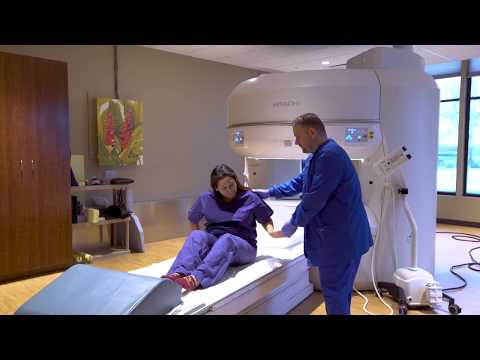
What should you expect during the procedure? First, you’ll be asked some questions and may have to change into a gown. The actual MRI machine looks like a large tube where you’ll lie down while it takes pictures. The procedure generally lasts about 30 minutes to an hour. If you’re nervous about being in enclosed spaces, let your medical team know—they have options to help ease your anxiety.
However, like any medical procedure, there are potential side effects from using contrast dye. While most people tolerate it well, some may experience mild reactions such as headaches or nausea. In rare cases, more serious reactions can occur. It’s important to discuss any allergies or previous reactions with your healthcare provider beforehand.
Always remember: information is crucial. Don’t hesitate to ask questions and gather insights from various specialists and reliable sources. Understanding what you’re facing will help you approach the experience with confidence and peace of mind. Stay curious and proactive about your health!
The information provided in this article is intended solely for general informational and educational purposes. It does not constitute medical advice, diagnosis or professional treatment, and should not be considered a substitute for consultation with a qualified doctor or other licensed healthcare professional. Any health-related decisions should be made in consultation with accredited medical professionals.
While efforts have been made to ensure the information is accurate and up to date, no guarantees are given—either express or implied—regarding its accuracy, completeness, currency or suitability. Use of this information is at your own discretion.
It is strongly recommended to consult official sources such as the NHS (National Health Service) or other recognised medical institutions before acting on any information contained on this website or article. Under no circumstances should professional medical advice be ignored or delayed due to content read here.
This content is of a general and informational nature only. It is not intended to replace individualised guidance from a healthcare professional or to establish any doctor-patient relationship. The publication of this information does not imply any professional responsibility, guarantee or obligation on the part of the author or this site.
Understanding the Risks and Reactions of Contrast Dye in MRI Scans
When you undergo an MRI scan, sometimes a contrast dye is used. This dye enhances the images, helping doctors see parts of your body more clearly. Understanding this process can help ease any concerns you may have.
What is Contrast Dye?
Contrast dye is a special fluid that’s injected into your body. It usually contains gadolinium, a metal that improves image quality on the MRI. This helps in diagnosing conditions like tumors or inflammation.
Why Use Contrast Dye?
The main reason for using the dye is to highlight areas that might not show up well otherwise. Think of it as putting a spotlight on important details in an otherwise dim room.
Common Reactions
Most people tolerate contrast dye well. However, some may experience mild reactions such as:
These reactions typically resolve quickly and do not indicate serious problems.
Allergic Reactions
In very few cases, some individuals may have allergic reactions to contrast dye. Symptoms can include:
If you’ve had an allergic reaction to dyes before, inform your medical team prior to the scan.
Kidney Considerations
For individuals with kidney issues, using contrast dye requires extra caution. The substance can occasionally worsen kidney function. If you have existing renal conditions, communicate this with your healthcare provider.
The Importance of Communication
Always talk openly with your medical team about any past reactions to dyes or allergies. They can offer alternatives if necessary and help ensure your safety during the procedure.
Anxiety Before Your Scan
Feeling anxious about having an MRI with contrast is normal. Ask questions! Understanding what will happen helps reduce fear and uncertainty.
In summary, while most people have no issues with contrast dye during MRIs, being informed allows for better preparation and peace of mind. Remember that staying open about your health history ensures a safer experience for you.
Understanding the Side Effects of MRI Contrast Agents and What to Watch For
When undergoing an MRI with contrast, it’s important to understand what to expect. Contrast agents help highlight areas of the body for clearer imaging. However, they can carry some risks.
Most people tolerate contrast agents well. But just like any medication, there can be side effects. Knowing these can help you stay informed.
Common Side Effects:
These reactions are usually not serious and often resolve on their own. However, it’s still good to monitor how you feel afterward.
Serious Reactions:
Though rare, severe reactions can occur. These include difficulty breathing or swelling of the face and throat. If you notice these symptoms after your MRI, seek help immediately.
Another important consideration is nephrogenic systemic fibrosis (NSF). This is a rare condition that affects people with severe kidney problems after exposure to certain gadolinium-based contrasts used in MRIs.
It’s vital to inform your healthcare team if you have kidney issues before your scan. They may suggest alternative imaging methods if needed.
Some myths surround MRI contrast agents too. One common misconception is that all contrast agents cause kidney damage. While this is true for people with existing kidney disease, most healthy individuals are not at risk.
Being prepared helps ease anxiety around medical procedures too. Know what type of contrast will be used and ask questions if you’re unsure about anything.
In conclusion, understanding potential side effects from MRI contrast agents empowers you during your healthcare journey. Always communicate openly with your care team about any concerns or prior health conditions before having an MRI with contrast. Your safety and comfort should always come first!
Understanding the Timing and Effects of MRI Contrast on Your Body
Getting an MRI with contrast can feel a bit daunting, but understanding it can help ease your mind. An MRI, or magnetic resonance imaging, is a powerful tool that helps doctors view your body’s internal structures.
What is MRI Contrast?
The contrast agent used in MRIs is usually a substance called gadolinium. This metal helps to enhance the images by making certain tissues stand out better. Think of it like adding food coloring to water; it makes some parts more visible.
Timing of Contrast Injection
Typically, the contrast is injected into a vein in your arm right before or during the scan. The timing depends on what part of your body is being examined. Your healthcare team will guide you through this process.
Effects on Your Body
Most people tolerate gadolinium well and experience few side effects. However, it’s important to know that anything introduced into your body can have effects.
MRI Safety
The procedure itself is generally safe. Magnetic fields and radio waves are used in the scan; they do not use harmful radiation like X-rays do.
But always ask questions if you’re unsure about anything related to the MRI or its contrast agent. Being informed empowers you in making health decisions.
Misinformation Alert
There are myths around MRIs with contrast agents causing serious long-term harm. Research shows that serious side effects are infrequent when proper guidelines are followed.
Ultimately, understanding these concepts helps demystify MRI with contrast. Remember, open communication with your healthcare team can make the process smoother and more comfortable for you.
MRI with contrast is a valuable diagnostic tool that provides detailed images of the body’s internal structures. Understanding what to expect during the procedure can alleviate anxiety and help individuals feel more prepared.
Before the MRI, you’ll receive an injection of a contrast agent, usually gadolinium. This substance enhances the clarity of the images by highlighting specific areas. It’s similar to how adding food coloring to water makes it easier to see its flow through a clear container.
During the scan, you’ll lie still in a large machine for about 30-60 minutes. The process is painless, but it can be loud, similar to being in a busy construction zone. Earplugs or headphones are often provided to minimize discomfort from the noise.
While most people tolerate contrast agents well, some may experience mild side effects like headache or nausea. Rarely, more severe reactions can occur, such as allergic responses or kidney issues in those with pre-existing conditions. It’s important to discuss your health history with your healthcare provider before undergoing an MRI with contrast.
In summary, MRI with contrast offers critical insights into your health while being generally safe. Awareness of what lies ahead can make your experience less daunting and empower you to engage in discussions about your medical care confidently. If you have concerns about side effects or any aspect of the procedure, don’t hesitate to ask questions—they’re essential for making informed health decisions.
