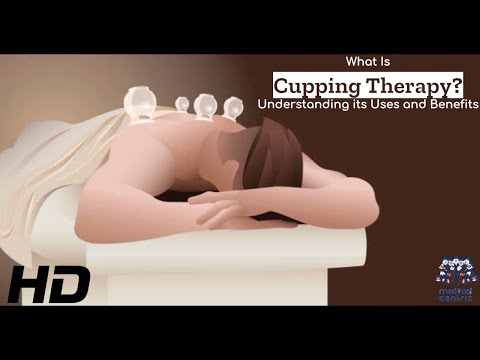
Cupping therapy, a practice rooted in ancient medicine, has been gaining popularity in recent years. Imagine placing a few cups on your skin that create a gentle suction, drawing out tension and promoting healing. This old-world technique has found its way into modern wellness circles, touted for its potential benefits ranging from pain relief to improved circulation.
People often turn to cupping when traditional methods fall short. It’s like finding an alternative route when traffic slows you down. Athletes and everyday individuals alike report feeling lighter and more relaxed after a session. Curious about how this works? The cups can stimulate blood flow and may even help the body detoxify.
However, before diving into cupping therapy, it’s important to approach it with an open yet critical mind. While many users swear by its benefits, scientific evidence is mixed. Always consult with qualified health professionals who understand your individual health needs before starting any new treatment. Educating yourself through various specialists will help ensure you make informed decisions based on facts rather than trends. Remember—your health deserves careful consideration!
The information provided in this article is intended solely for general informational and educational purposes. It does not constitute medical advice, diagnosis or professional treatment, and should not be considered a substitute for consultation with a qualified doctor or other licensed healthcare professional. Any health-related decisions should be made in consultation with accredited medical professionals.
While efforts have been made to ensure the information is accurate and up to date, no guarantees are given—either express or implied—regarding its accuracy, completeness, currency or suitability. Use of this information is at your own discretion.
It is strongly recommended to consult official sources such as the NHS (National Health Service) or other recognised medical institutions before acting on any information contained on this website or article. Under no circumstances should professional medical advice be ignored or delayed due to content read here.
This content is of a general and informational nature only. It is not intended to replace individualised guidance from a healthcare professional or to establish any doctor-patient relationship. The publication of this information does not imply any professional responsibility, guarantee or obligation on the part of the author or this site.
Unlocking the Secrets of Cupping: Discover How This Ancient Practice Can Transform Your Well-Being
Cupping therapy is an ancient practice that has gained popularity in recent years. Its roots can be traced back thousands of years to various cultures, including Chinese and Middle Eastern traditions. Many people are curious about how this technique works and its potential benefits.
Cupping involves placing cups on the skin, creating suction. This suction is believed to help improve blood flow and promote healing. Think of it like a gentle vacuum that pulls at the skin, which can feel quite different from traditional massage.
There are different types of cupping methods.
Many claim that cupping can help with various issues like muscle pain, tension, and even anxiety. While some studies suggest it may provide relief, research is still ongoing. Anecdotal evidence exists, but it’s important to look for scientific backing when evaluating effectiveness.
Cupping therapy might also influence lymphatic flow—our body’s natural waste disposal system. When this flow improves, you might notice less swelling or inflammation in treated areas.
Let’s talk about safety: while cupping is generally considered low-risk for most people, it’s not for everyone. You should definitely consult a healthcare professional if you have certain health conditions or concerns before trying cupping therapy.
Although some people report feeling relaxed after a session, others might experience mild bruising where the cups were placed. These marks typically fade in a few days and are part of the healing process.
It’s easy to find practitioners offering cupping therapy today—from spas to wellness centers all over the world. However, do your research first! Check qualifications and reviews before scheduling an appointment.
In conclusion, cupping therapy is an intriguing practice with roots in ancient healing traditions. While it may offer benefits for some individuals, it’s essential to approach it with an open mind and a healthy dose of curiosity—and always keep seeking knowledge about your health choices!
Unlocking the Secrets to Effective Cupping Therapy Techniques
Cupping therapy is an ancient practice that has gained popularity in recent years. It involves placing cups on the skin to create suction. This technique is thought to promote healing and relaxation.
The main idea behind cupping is that the suction pulls blood toward the surface of the skin. This may help increase circulation in the area treated. Some people liken it to a deep tissue massage that brings fresh blood flow, which can be beneficial for muscle recovery.
There are different types of cupping techniques. Each has its unique approach:
Many athletes use cupping therapy for recovery after intense workouts. The visible marks left on the skin are often misconceived as bruises but are usually not painful.
Benefits cited by practitioners and users include reduced muscle tension, improved range of motion, and even relief from stress and anxiety. However, these claims need further research for strong conclusions.
While many individuals find cupping helpful, it’s essential to remember that responses vary widely from person to person. What works well for one might not have the same effects on another.
There are some myths surrounding this therapy worth addressing. For example, it’s not a miracle fix for serious health issues like chronic pain or disease management.
If you’re considering trying cupping therapy, always consult with a knowledgeable practitioner first. Look for someone who understands your health history and can tailor treatments accordingly.
In conclusion, cupping therapy can be an interesting addition to wellness routines but should never replace traditional medical care when needed. Always listen to your body and make informed decisions about your health practices.
Exploring the Unexpected Drawbacks of Cupping Therapy
Cupping therapy has gained popularity for its claims of various health benefits. It involves placing cups on the skin to create suction. While many people report positive effects, it’s important to consider some unexpected drawbacks.
Firstly, skin irritation is a common issue. The suction can leave bruises that may last for several days. These marks can be alarming, especially if one is not prepared for them.
Infection is another risk. If the cups are not properly sterilized, they can introduce bacteria into the skin. This can lead to serious complications, especially for those with weakened immune systems.
Furthermore, cupping might cause pain or discomfort. Some individuals find the experience more intense than expected. This discomfort can deter people from repeating the therapy.
Also, there are reports of allergic reactions. Certain oils or substances used during cupping may trigger sensitivities in some individuals. Always check ingredients before proceeding with treatment.
Another concern is psychological effects. Some may develop an unrealistic expectation about their recovery or wellness. It’s essential to approach cupping as one part of a holistic health routine and not rely on it solely.
Lastly, cupping is sometimes viewed as a replacement for medical care. Relying solely on alternative therapies could delay necessary treatment for underlying conditions.
In conclusion, while cupping therapy may offer some benefits, it comes with potential drawbacks that should not be overlooked. Understand these risks and consider them carefully when making health decisions. Always prioritize discussions with healthcare providers regarding holistic health approaches and treatments.
Cupping therapy has gained popularity as an alternative treatment for a variety of ailments, yet it remains surrounded by both intrigue and skepticism. At its core, cupping involves placing suction cups on the skin to create a vacuum, which is believed to promote blood flow and facilitate healing.
Understanding the Mechanism: The idea behind cupping is simple. By creating a vacuum, the skin is lifted away from underlying tissues. This action may enhance circulation in the area, leading to potential pain relief and relaxation of tight muscles.
Potential Benefits: Many individuals report benefits such as reduced muscle soreness, improved recovery time after workouts, and relief from conditions like chronic pain or tension headaches. It’s often used by athletes looking for an edge in recovery or performance.
However, while anecdotal evidence abounds, rigorous scientific studies are limited. Some research suggests moderate benefits for certain conditions, but more comprehensive clinical trials are needed to establish its effectiveness conclusively.
Important Considerations: It’s crucial to approach cupping with caution. Although generally safe when performed by trained professionals, there can be side effects like bruising or skin irritation. Additionally, cupping should not replace conventional medical treatments for serious conditions.
In conclusion, while cupping therapy can offer therapeutic benefits for some individuals, informed decisions are essential. Always consult healthcare providers before integrating new treatments into your wellness routine to ensure they are suitable for your personal health needs.