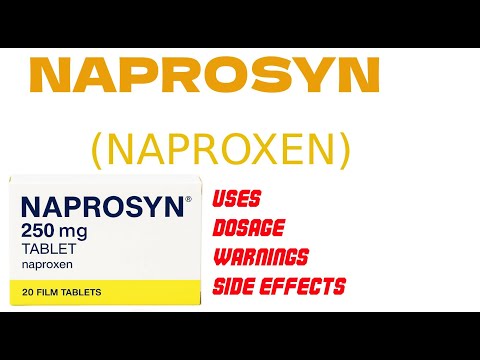
Diclofenac is a non-steroidal anti-inflammatory drug (NSAID) that helps relieve pain and reduce inflammation. Imagine it as a reliable friend who helps ease those nagging aches after a long day or soothes the discomfort from an injury. You might find it prescribed for conditions like arthritis, menstrual pain, or even migraines. But while Diclofenac can be effective, it’s important to understand how to use it wisely.
Dosage is key! Taking the right amount can help you get the benefits without unnecessary risks. It’s often available in various forms, including tablets and topical gels. But just like a recipe, the balance matters. Following your healthcare provider’s instructions ensures you’re using it safely.
However, like any medication, Diclofenac has potential side effects that are worth mentioning. Some common ones might include stomach upset or dizziness, while serious effects could involve heart issues or liver problems. It’s essential to recognize these warnings to protect your health.
Warning: Before starting Diclofenac, it’s crucial to seek information from different specialists and reliable sources. This way, you can make informed choices about your treatment and stay safe while managing your health. Remember, being proactive and asking questions is a vital part of taking care of yourself!
The information provided in this article is intended solely for general informational and educational purposes. It does not constitute medical advice, diagnosis or professional treatment, and should not be considered a substitute for consultation with a qualified doctor or other licensed healthcare professional. Any health-related decisions should be made in consultation with accredited medical professionals.
While efforts have been made to ensure the information is accurate and up to date, no guarantees are given—either express or implied—regarding its accuracy, completeness, currency or suitability. Use of this information is at your own discretion.
It is strongly recommended to consult official sources such as the NHS (National Health Service) or other recognised medical institutions before acting on any information contained on this website or article. Under no circumstances should professional medical advice be ignored or delayed due to content read here.
This content is of a general and informational nature only. It is not intended to replace individualised guidance from a healthcare professional or to establish any doctor-patient relationship. The publication of this information does not imply any professional responsibility, guarantee or obligation on the part of the author or this site.
Finding the Right Balance for Pain Relief
Finding the right balance for pain relief can be challenging. Pain management is unique for each person, and different strategies work better for different individuals. This article focuses on diclofenac, a common medication for managing pain.
Diclofenac belongs to a class of medicines called nonsteroidal anti-inflammatory drugs (NSAIDs). It helps reduce inflammation and alleviate pain. It’s often used to treat conditions like arthritis, muscle pain, and certain types of headaches.
When taking diclofenac, dosage is important. It’s vital to follow the instructions provided by your healthcare provider or found on the medication label. Taking more than recommended can lead to increased risks of side effects.
Here’s what you need to know about dosages:
While diclofenac can be effective, it does come with potential side effects. Some people may experience gastrointestinal issues like stomach upset or ulcers. Others might notice headaches or dizziness.
Key side effects include:
It’s important not to ignore any adverse effects you may experience while taking this medication. Always communicate openly with your healthcare provider about how you feel.
Many people mistakenly believe that increasing the dose will lead to better pain relief. In reality, taking more than prescribed can be harmful without providing additional benefits.
Using diclofenac effectively requires balancing its benefits against its risks. Non-pharmacological approaches—like physical therapy, exercise, or stress reduction techniques—can also play a significant role in managing pain.
Always consult your healthcare provider before making any changes to your medication routine. Open discussions about all available options are essential for finding what works best for you.
Remember, every person’s pain journey is individual. Being informed helps you make educated decisions about your health and well-being.
Uncovering the Hidden Risks of a Common Pain Reliever
Diclofenac is a common pain reliever often used to treat inflammation, arthritis, and mild to moderate pain. While it can provide relief, it also carries some risks that are important to understand.
First, it’s useful to know how diclofenac works. It blocks certain enzymes in the body that contribute to inflammation and pain. Think of it like turning down the volume on a loud radio; it helps reduce the noise of pain.
However, diclofenac isn’t without side effects. Some common issues people experience include stomach upset or heartburn. This is because the medication can irritate your stomach lining.
More serious side effects can occur too. Long-term use may increase the risk of heart attack or stroke, especially in those with existing heart problems. It’s like adding extra weight to a shaky tower; eventually, something might give way.
Additionally, diclofenac can affect kidney function over time. If you already have kidney disease, this risk becomes even more pronounced.
Here are some key points about diclofenac:
It’s also important not to ignore your body’s signals. If you’re experiencing persistent stomach pain or any unusual symptoms while taking diclofenac, consult someone who can evaluate your situation better.
Lastly, consider alternatives when managing pain. Techniques like physical therapy or other types of medications may be worth exploring based on your individual needs.
Being informed helps you make better choices about your health and well-being. Always discuss any concerns with someone who understands these issues deeply before starting or stopping any medication.
Finding the Right Dosage for Pain Relief and Inflammation
Finding the right dosage for pain relief and inflammation can be tricky. One common medication for this purpose is diclofenac. It’s a non-steroidal anti-inflammatory drug (NSAID) that many people use for conditions like arthritis or muscle pain.
Before taking diclofenac, it’s important to understand how it works. This medication reduces inflammation by blocking certain enzymes in the body. Think of it as turning down the volume on the signals that tell your brain, “this hurts.”
Dosage varies based on several factors. These include your age, weight, and the specific condition you’re treating. Usually, doctors start with a lower dose and gradually increase if needed. This approach helps to find what works best for each person while minimizing side effects.
- Common doses: Diclofenac is often available in 50 mg or 75 mg tablets.
- Typical starting dose: Many begin with 50 mg two times a day.
- Maximum dose: It’s usually capped at 150 mg per day.
Remember that everyone’s body reacts differently. What works well for one person may not be effective for another.
Side effects are another critical consideration. While some people tolerate diclofenac well, others may experience stomach issues or headaches. If you notice anything unusual, it’s vital to discuss this with someone who understands these medications.
It’s also worth noting that long-term use carries risks. Prolonged use can lead to heart problems or stomach ulcers in some individuals.
Always keep track of how you feel while taking diclofenac or any medication. If pain persists despite using it as directed, reassessing your treatment plan may be necessary.
In conclusion, finding the right dosage for pain relief with diclofenac involves careful consideration and often trial and error under guidance from knowledgeable persons in health care. Staying informed about how your body responds—and communicating openly about any concerns—is key to managing pain effectively and safely.
Diclofenac is a nonsteroidal anti-inflammatory drug (NSAID) widely used for pain relief and inflammation reduction. It’s often prescribed for conditions such as arthritis, menstrual pain, and injury-related discomfort.
Uses: The primary function of diclofenac is to alleviate moderate pain and decrease inflammation. It can be taken orally or applied topically in gel form. For many patients, it serves as an effective solution when other pain relievers are insufficient.
Dosage: The dosage varies based on the condition treated. Typically, adults might start with a lower dose, which can be adjusted based on effectiveness and tolerance. It’s essential to follow healthcare recommendations closely to avoid potential risks associated with improper dosing.
Important Side Effects: While diclofenac is generally safe when used correctly, it carries some risks. Common side effects include gastrointestinal issues like stomach upset or ulcers. More serious concerns involve cardiovascular problems, kidney damage, and liver function impairment.
Understanding how to use diclofenac effectively while being aware of its side effects empowers patients to make informed health decisions. Always consult with a healthcare provider for personalized guidance tailored to your specific needs.