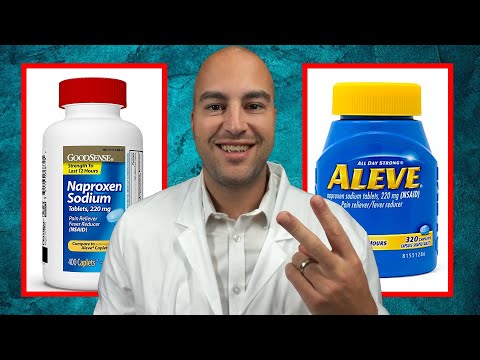
Aleve is a commonly used over-the-counter medication known for its pain-relieving and anti-inflammatory properties. Many people turn to Aleve (naproxen) for relief from headaches, menstrual cramps, arthritis pain, and various minor aches. While it can be an effective option for many, understanding the proper dosage and safety considerations is crucial to ensure it helps without causing harm.
It’s important to remember that every individual is different, and what works well for one person may not be suitable for another. Dosage matters—taking too much can lead to serious side effects while taking too little might not provide the desired relief. Additionally, certain health conditions or medications you’re already taking could interact with Aleve in ways you might not expect.
When considering Aleve, don’t just rely on a single source of information. Seek out advice from various specialists and credible media channels. This way, you can better equip yourself with knowledge about dosage guidelines and safety precautions tailored to your specific needs.
Warning: Always adhere strictly to the recommended dosage on the label or as advised by your healthcare provider. Overuse or misuse of Aleve can lead to complications like stomach bleeding or kidney damage. It’s essential not only to inform yourself but also to consult your healthcare provider if you have any concerns or pre-existing conditions that could affect your health while using this medication. Stay curious yet cautious!
The information provided in this article is intended solely for general informational and educational purposes. It does not constitute medical advice, diagnosis or professional treatment, and should not be considered a substitute for consultation with a qualified doctor or other licensed healthcare professional. Any health-related decisions should be made in consultation with accredited medical professionals.
While efforts have been made to ensure the information is accurate and up to date, no guarantees are given—either express or implied—regarding its accuracy, completeness, currency or suitability. Use of this information is at your own discretion.
It is strongly recommended to consult official sources such as the NHS (National Health Service) or other recognised medical institutions before acting on any information contained on this website or article. Under no circumstances should professional medical advice be ignored or delayed due to content read here.
This content is of a general and informational nature only. It is not intended to replace individualised guidance from a healthcare professional or to establish any doctor-patient relationship. The publication of this information does not imply any professional responsibility, guarantee or obligation on the part of the author or this site.
Understanding the Risks and Benefits of Taking Two Aleve Together
Aleve, known generically as naproxen, is a nonsteroidal anti-inflammatory drug (NSAID). People often use it to reduce pain, inflammation, and fever. While Aleve can be helpful for many conditions, understanding its dosage and safety is essential.
Taking two Aleve at once might seem like a quick fix for pain relief. However, this can increase the risk of side effects. Dosage guidelines typically recommend one pill every 8 to 12 hours. Doubling up can lead to problems.
Potential benefits of Aleve include:
But there are also potential risks:
Always consider your personal health. For example, if you have stomach or kidney issues, taking more may not be wise. Your body processes medications differently based on various factors like age and health history.
A common myth is that taking more medication leads to faster relief. This isn’t necessarily true. More isn’t always better when it comes to medications like Aleve.
If you feel that one Aleve isn’t enough for your pain, it’s often better to consult a healthcare provider who knows your health background rather than adjusting dosage on your own.
Remember, effective pain management involves understanding both the benefits and risks involved with medications like Aleve. Be informed and make choices that are right for you!
Discover the Daily Risks and Benefits of Long-Term Aleve Use for Arthritis Relief
Aleve, also known as naproxen, is a common over-the-counter medication used to relieve pain and inflammation caused by arthritis. It belongs to a class of drugs called nonsteroidal anti-inflammatory drugs (NSAIDs). While it can be effective for managing arthritis pain, long-term use comes with risks and benefits that are important to consider.
Benefits of long-term Aleve use include:
However, there are also risks associated with prolonged use:
It’s key to think about how much you’re taking. The typical dosage for adults is two pills every 8-12 hours, not exceeding three pills in a 24-hour period. Always follow the instructions on the label or those provided by a healthcare provider.
If you have certain health conditions like heart disease, high blood pressure, or stomach problems, long-term Aleve might not be suitable for you. Always discuss your individual circumstances with someone who knows your health history.
Another factor is tolerance. Some people find they need higher doses over time to achieve the same pain relief. This isn’t ideal as it could heighten the risks mentioned before.
It’s also worth noting that there are alternatives to Aleve. Lifestyle changes like exercise and physical therapy can be effective in managing arthritis too. Dietary adjustments might help as well; some foods have anti-inflammatory properties that could complement any medication you’re taking.
Always consider your overall health goals when managing arthritis pain. Keep communication open with those who can guide you through the options available based on your unique situation.
In conclusion, while long-term Aleve use can offer significant benefits for arthritis relief, it’s vital to weigh these against potential risks. Make informed choices and seek out support when needed so you can manage your condition effectively and safely.
Your Guide to Effective Pain Relief with Aleve 220 mg
When it comes to managing pain, many people reach for over-the-counter medications like Aleve, which contains naproxen sodium. This article is your guide to using Aleve 220 mg effectively while understanding its dosage and safety.
Aleve is classified as a nonsteroidal anti-inflammatory drug (NSAID). It helps reduce inflammation and alleviate pain from conditions like headaches, arthritis, or muscle aches. It’s often favored for its longer-lasting effects compared to some other pain relievers.
Dosage: The standard dose for an adult is usually one tablet (220 mg) every 8 to 12 hours as needed. You should not take more than two tablets in any 8- to 12-hour period. And remember, the maximum daily dose should not exceed six tablets in a 24-hour span.
It’s important to take Aleve with food or milk. This helps minimize the risk of stomach upset, which can occasionally occur with NSAIDs. If you have a sensitive stomach, this tip may be especially helpful.
Safety Considerations: Before using Aleve, consider these key points:
Pregnant individuals should approach NSAIDs with caution and seek advice if needed.
Taking too much Aleve can lead to serious health risks such as kidney damage or gastrointestinal bleeding. If you experience severe abdominal pain, blood in your stool, or persistent headaches after taking Aleve, discontinue use and seek help immediately.
Myth Busting: There’s a common belief that all pain relievers work the same way. Each has unique properties and potential side effects—Aleve might not be suitable for everyone. If it doesn’t help your pain after a few days of use, consider discussing alternatives with someone knowledgeable about medications.
Remember that while over-the-counter options can assist with everyday discomforts, they are not replacements for professional health advice when dealing with persistent or severe pain issues. Always prioritize being informed about what you’re taking for your health decisions!
Understanding the dosage and safety of Aleve is crucial for responsible health management. Aleve, known generically as naproxen, is a non-steroidal anti-inflammatory drug (NSAID) often used for pain relief and inflammation reduction. It’s important to adhere to recommended dosages to avoid potential risks.
The typical dose for adults is 250 mg to 500 mg every 12 hours, not exceeding 1,000 mg in 24 hours. Overuse can lead to serious side effects such as gastrointestinal bleeding, kidney damage, or increased cardiovascular risks. Always consider your personal health history before starting any new medication.
Additionally, Aleve should be taken with food or milk to minimize stomach irritation. Individuals with certain conditions—like ulcers, kidney disease, or heart problems—should consult a healthcare provider before use.
It’s also vital to be aware of interactions with other medications. For example, combining Aleve with blood thinners can heighten bleeding risk.
In summary, while Aleve can be an effective pain reliever when used correctly and responsibly, understanding its dosage guidelines and safety measures is essential for optimal health outcomes. Always prioritize open communication with healthcare providers about any over-the-counter medications you choose to take.