The information provided in this article is intended solely for general informational and educational purposes. It does not constitute medical advice, diagnosis or professional treatment, and should not be considered a substitute for consultation with a qualified doctor or other licensed healthcare professional. Any health-related decisions should be made in consultation with accredited medical professionals.
While efforts have been made to ensure the information is accurate and up to date, no guarantees are given—either express or implied—regarding its accuracy, completeness, currency or suitability. Use of this information is at your own discretion.
It is strongly recommended to consult official sources such as the NHS (National Health Service) or other recognised medical institutions before acting on any information contained on this website or article. Under no circumstances should professional medical advice be ignored or delayed due to content read here.
This content is of a general and informational nature only. It is not intended to replace individualised guidance from a healthcare professional or to establish any doctor-patient relationship. The publication of this information does not imply any professional responsibility, guarantee or obligation on the part of the author or this site.
Have you ever thought about the salt on your table? Most of us just sprinkle it without a second thought. But here’s a fun fact: not all salts are created equal. Black salt, or kala namak, has been used for centuries in various cultures, not just for flavor but also for its potential health benefits.
So, what makes black salt special? It contains minerals and compounds that might help with digestion and even boost your skin health. Plus, it has a unique taste that can add an exciting twist to your meals. Imagine enhancing a simple dish while giving your body a little extra love!
This article dives into the wellness advantages of black salt and how you can incorporate it into your diet. We’re talking about everything from improving hydration to supporting better digestion. Remember, though: this is just information to consider, not medical advice. Always consult with a healthcare professional before making any changes to your diet or health regimen.
Unlocking the Secrets: Exploring the Health Perks of Black Salt
What is Black Salt?
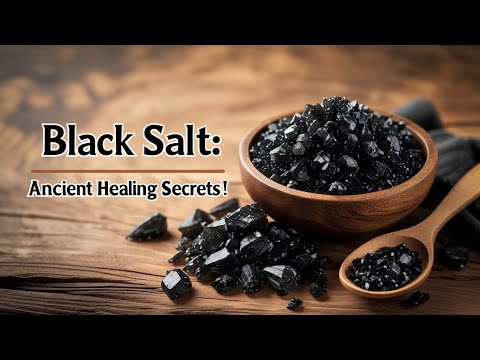
Black salt, also known as kala namak, is a type of rock salt that comes from the Himalayan region. Its color stems from the presence of minerals and iron. It’s become popular not just for its taste but also for its supposed health benefits.
Taste and Culinary Uses
You might wonder why people use black salt in cooking. The flavor is unique—it’s slightly earthy and has a hint of smokiness. Some even describe it as having a savory quality, similar to umami.
Many folks use it in salads, sauces, and even on fruits like mangoes to add a special twist. So, if you enjoy experimenting with flavors, give it a try!
Rich in Minerals
One of the things that makes black salt interesting is its mineral content. It contains various minerals like magnesium, calcium, potassium, and zinc. These are essential nutrients our bodies need.
A diet rich in minerals can support various bodily functions—from maintaining strong bones to regulating fluid balance. But remember, too much salt can have downsides!
Aids Digestion
Many people believe that black salt can help with digestion. Some common practice suggests mixing it with warm water or lemon juice may soothe an upset stomach or indigestion.
The idea here is that the minerals in black salt might stimulate digestive enzymes or support overall gut health.
Electrolyte Balance
Black salt contains sodium chloride—just like regular table salt—but it’s slightly different because of those extra minerals. Electrolytes play crucial roles in hydration and nerve function.
If you’re active especially during hot weather, maintaining electrolyte balance is key to feeling your best.
Pocket-Friendly Alternative
You know, some folks opt for black salt as a more natural alternative to processed salts. Uh huh! Processed salts often have additives which can be avoided with natural options like black salt.
This might appeal to those looking for cleaner ingredients in their diets.
Might Help Cramps?
Some anecdotal evidence suggests that using black salt might relive muscle cramps or spasms because of its mineral content. Magnesium plays a role here—this mineral helps muscles relax.
You could sprinkle some on food after exercise; it might add flavor while giving you those extra nutrients too!
Cautions to Keep In Mind
- The sodium content remains high; so keep an eye on how much you’re using daily.
- If you have kidney issues or high blood pressure speaking to someone about your dietary choices could be wise.
Your Body’s Unique Needs
Everybody’s body reacts differently; what works for one person might not work for another.
If you’re considering adding something new—like black salt—to your diet it’s always good practice to pay attention how your body feels.
Your health journey should feel right for you!
Discover the Unexpected Benefits of Nature’s Purest Flavors
Exploring Black Salt and Its Benefits
Okay, let’s dive into what black salt is all about. Black salt, or kala namak, is a type of rock salt that’s been used for centuries in Indian cooking and herbal medicine. It’s known for its unique flavor—kind of smoky and slightly tangy. But there’s more to it than just taste.
Mineral Content
Black salt contains various minerals that are actually essential for our body. It has traces of potassium, magnesium, and calcium. These are nutrients you need every day. Think about it like this: they help keep your bones strong and your muscles working properly.
Digestive Aid
A lot of people believe that black salt can aid digestion. The thought is that the minerals promote digestive health by stimulating the production of bile in the liver. You know how sometimes you feel bloated after a big meal? Some folks say a sprinkle of black salt might help relieve that discomfort.
Electrolyte Balance
You’ve probably heard about electrolytes before—those are minerals like sodium and potassium that keep your body balanced. Black salt can provide these necessary electrolytes when you sweat or feel dehydrated, especially during hot days or if you’re active.
Culinary Uses
If you’ve ever tried making chaat or other savory dishes from South Asia, you might have used this special salt to enhance flavors. It adds depth without being overly salty, letting other ingredients shine through too.
A Culinary Twist
So here’s an interesting idea: you could try sprinkling black salt on fruits or salads! The contrast between sweetness and savory adds an unexpected twist to your meal.
Mood Booster?
I’ve read some claims suggesting that because it’s mineral-rich, black salt might help improve mood by reducing stress levels related to cravings for salty foods. While it’s fun to think about this potential benefit, it’s good to remember moderation is key with any flavor enhancer.
Minding Your Intake
That said; moderation comes into play here too! Just because something has benefits doesn’t mean we should go overboard. Balancing your diet with various flavors will always be wise—inclusive of different salts!
An Ongoing Exploration
The journey into understanding foods like black salt continues as more research unfolds over time. Each natural ingredient can offer something special; embracing their uses in cooking may enrich both meals and health experiences.
Exploring the Health Benefits and Risks of Black Salt for Kidney Health
Understanding Black Salt and Its Impact on Kidney Health
Black salt, often known as kala namak, is a popular seasoning in many cuisines, especially in South Asia. It’s distinct for its dark color and unique flavor profile. But what about its impact on kidney health? Let’s break it down.
What is Black Salt?
Black salt isn’t actually black; it’s more of a dark reddish-brown hue. It’s made by heating rock salt along with charcoal, herbs, and spices. This process gives it a distinctive taste and aroma that some find appealing.
Nutritional Profile
One cool thing about black salt is that it’s often considered to be less processed than regular table salt. It contains trace minerals like potassium, calcium, and magnesium. These elements can play roles in various bodily functions.
Kidney Health: The Good
So why would someone be interested in black salt regarding kidney health? Well, some believe that the minerals in black salt might help maintain electrolyte balance. Electrolytes are essential for nerve function and muscle contractions.
Sodium is still present in black salt like any other type of salt. However, it’s thought by some that the presence of other minerals might offer benefits in moderation.
The Risks
Now here’s the flip side: too much sodium can pose risks for your kidneys. High sodium intake can lead to high blood pressure, which puts extra strain on these vital organs. If you have existing kidney issues or conditions like hypertension, monitoring your sodium intake—including black salt—is crucial.
Additionally, individual reactions to any type of salt may vary. Some people may find that they retain water or face other discomforts when consuming larger amounts of it.
Cultural Context
In certain cultures, black salt is heralded not just for flavor but also for perceived health benefits stemming from traditional practices. It’s often used in cuisine focused on holistic wellness; however, modern science doesn’t always back up these claims fully.
A Balanced Approach
The bottom line? Black salt can add flavor to your dishes while bringing along some mineral content. But if you’re concerned about kidney health or overall wellness, moderation is key here as with most things! Also remember to consult with a healthcare provider if you have specific concerns relating to dietary choices
- Kidney function can be sensitive to diet.
- Diverse sources of nutrients are generally best for overall health.
- Sodium intake should stay within healthy limits regardless of the source.
- Cultural beliefs around food are valuable but should align with scientific evidence when possible.
You know? Staying informed helps make better choices—whether that’s about what we eat or how we care for our bodies!
Reflection on the Health Benefits of Black Salt for Wellness
Black salt, often praised in culinary practices, offers intriguing health benefits that merit attention. Traditionally used in various cultures, it’s more than just a seasoning. It can promote wellness in several ways.
One common point about black salt is its mineral content. Unlike regular table salt, black salt retains minerals like iron and potassium. This gives it a distinctive flavor profile and an array of potential health advantages.
Some say that black salt aids digestion. The minerals may help balance stomach acid levels, making it easier for the body to break down food. Think of it as giving your digestive system a nudge in the right direction.
There’s also talk about its impact on hydration. Black salt might help retain water in your body better than table salt does. When we sweat or exercise, replacing lost minerals becomes crucial for recovery.
Another interesting aspect is its possible role in balancing electrolytes—essential for nerve and muscle function. Again, this aligns with the idea that our bodies often crave natural solutions instead of processed ones.
However, moderation is key! Even healthy salts can contribute to excessive sodium intake if overused. So incorporating black salt into your diet shouldn’t mean ditching all other nutritional practices.
The bottom line? While black salt has potential wellness benefits worth exploring, it’s essential to approach them with an open mind and balanced perspective. It’s important to stay curious but also smart when it comes to our health choices.