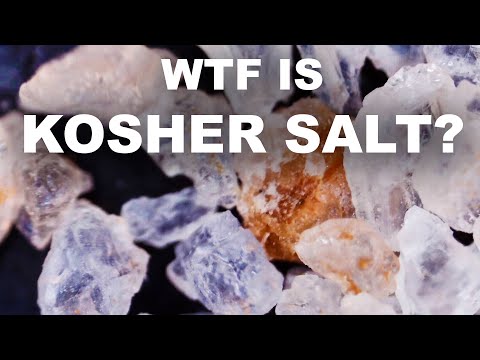
Kosher salt is more than just a seasoning; it’s a fascinating ingredient with historical roots and practical uses in modern kitchens. While its name suggests a religious significance, kosher salt is mainly appreciated by cooks for its texture and flavoring qualities. The unique crystal structure of this salt makes it easier to pinch, sprinkle, and control during cooking.
Different types of salt exist—table salt, sea salt, Himalayan pink salt—and each serves a purpose. But kosher salt stands out for its ability to enhance flavors without overwhelming them. Understanding these differences can elevate your culinary game.
Despite its benefits, it’s essential to recognize that not all salts are interchangeable. Recipes may specify kosher, table, or sea salt for good reasons. When cooking or seasoning food, always keep in mind the specific type called for to achieve the desired taste and texture.
As you explore the world of kosher salt and its uses in your kitchen adventures, please remember: knowledge is power. Dive deeper by seeking information from various specialists and reliable sources before making decisions based on what you read or hear. Each perspective can add valuable context that helps inform your culinary choices responsibly.
The information provided in this article is intended solely for general informational and educational purposes. It does not constitute medical advice, diagnosis or professional treatment, and should not be considered a substitute for consultation with a qualified doctor or other licensed healthcare professional. Any health-related decisions should be made in consultation with accredited medical professionals.
While efforts have been made to ensure the information is accurate and up to date, no guarantees are given—either express or implied—regarding its accuracy, completeness, currency or suitability. Use of this information is at your own discretion.
It is strongly recommended to consult official sources such as the NHS (National Health Service) or other recognised medical institutions before acting on any information contained on this website or article. Under no circumstances should professional medical advice be ignored or delayed due to content read here.
This content is of a general and informational nature only. It is not intended to replace individualised guidance from a healthcare professional or to establish any doctor-patient relationship. The publication of this information does not imply any professional responsibility, guarantee or obligation on the part of the author or this site.
Unveiling the Unique Qualities That Set It Apart in Your Kitchen
Kosher salt is more than just a seasoning; it has some unique qualities that make it stand out in your kitchen. Understanding these can help you make better cooking choices.
First off, kosher salt gets its name from its use in the koshering process of meat. It’s larger and flakier than regular table salt. This texture allows it to draw moisture out of meat effectively while adding flavor.
Flavor and Purity
Kosher salt usually has no added iodine or anti-caking agents. This means its taste is clean and pure, making it great for seasoning various dishes without any weird aftertastes.
Measuring Ease
Because of its larger crystals, kosher salt is easier to pinch and sprinkle with your fingers. Chefs often prefer it for this reason, as they find it easier to control the amount they use.
Culinary Versatility
You can use kosher salt for everything from brining meats to baking cookies. Its ability to dissolve quickly makes it suitable for marinades too.
However, due to its size, remember that using kosher salt instead of regular table salt can change the flavor balance in recipes. If a recipe calls for one type of salt, try sticking with that type or adjusting accordingly.
Health Aspects
All salts contain sodium, which should be consumed in moderation. Kosher salt isn’t lower in sodium compared to other salts; it’s just less dense due to its structure.
Lastly, it’s important not to assume all salts are interchangeable without adjustments. Some recipes may require precision that larger grains might disrupt.
In summary, kosher salt offers unique benefits thanks to its texture and purity. By understanding these differences, you can enhance your culinary skills and make informed decisions about how you season your food.
Unlocking the Secrets Behind the Chef’s Favorite Pantry Staple
Kosher salt is a kitchen staple loved by many chefs. Its unique texture and taste make it a favorite for seasoning food. But what exactly is kosher salt, and why do so many cooks prefer it?
To start, kosher salt gets its name from the Jewish process of koshering meat. This involves drawing out blood using coarse grains of salt. The grains are larger than regular table salt, which helps in this process.
Texture matters. The coarse grains of kosher salt are easy to pinch and sprinkle over food. This makes it simple to control how much you use. Chefs often say it’s easier to work with than fine salts.
When we talk about flavor, kosher salt has a clean taste. It doesn’t have the metallic aftertaste some people notice with table salt, which often contains additives.
You might wonder how it differs from sea salt or table salt:
This refinement means kosher salt can dissolve quickly, making it effective for seasoning dishes during cooking.
When using kosher salt in recipes, keep in mind that its larger grain size means you may need more of it compared to table or sea salts if you’re measuring by volume.
Another fun fact? The grain size makes kosher salt great for rimming cocktail glasses or for garnishing dishes. Its crunch adds a delightful texture!
One thing to remember is that not all kosher salts are the same. Brands can vary in terms of texture and salinity, so a specific amount may not always equal another brand.
To sum up, the secret behind chefs’ fondness for kosher salt lies in its versatility and ease of use. Whether you’re cooking at home or just seasoning your eggs in the morning, experimenting with this pantry staple can enhance your culinary creations!
Discover the Truth Behind Your Favorite Salts and Their Impact on Health
Salt is a common ingredient in our kitchens, but not all salts are created equal. Each type of salt has its unique characteristics and potential health impacts. Let’s explore some popular types of salt, including kosher salt, to understand their differences and uses.
Kosher salt was originally used for the koshering process of meats. Its larger grains make it easy to sprinkle on food and control seasoning. This type of salt doesn’t contain additives like iodine, which is often added to table salt.
When it comes to taste, kosher salt is known for its clean flavor. It dissolves easily in food, making it a favorite among chefs. However, just because it tastes good doesn’t mean you can have unlimited amounts.
It’s important to remember that all salts contribute sodium to our diets. Sodium is essential for bodily functions but too much can lead to health issues like high blood pressure or heart disease.
Each type of salt serves its purpose based on personal preference and culinary needs. When cooking or seasoning food, moderation is key regardless of the type of salt.
There are some myths around salt that need debunking. For example, many people believe sea salt or Himalayan pink salt is inherently healthier than table salt. The reality? They still contain similar amounts of sodium when compared by weight.
If you’re considering reducing your sodium intake or switching salts, consult reliable sources or professionals for guidance tailored to your health needs.
One useful approach when using any kind of salt is to taste before adding more. Enhance flavors with herbs or spices instead! This way you’re not relying solely on sodium for taste.
In conclusion, understanding the different types of salts and their effects on health can help you make more informed choices in your diet. Remember that balance and moderation are crucial elements for maintaining overall well-being with dietary choices involving any kind of salt.
Kosher salt is a commonly used ingredient in kitchens, but its significance goes beyond simple seasoning. The term “kosher” refers to the way this salt is produced and how it’s traditionally used in the koshering process of meat, drawing out blood as part of Jewish dietary laws.
One of the primary differences between kosher salt and table salt is its grain size. Kosher salt has larger, coarser grains, making it easier to pinch and sprinkle. This texture allows for more control when seasoning food, as it adheres well to surfaces without dissolving too quickly.
Another key point is that kosher salt typically contains no additives like iodine or anti-caking agents found in table salt. This can enhance its flavor and make it a preferred choice among chefs and home cooks alike.
When cooking, understanding these differences can elevate your culinary skills. For example, when brining or curing meats, kosher salt’s larger crystals help with even absorption and flavor enhancement.
In summary, recognizing the unique properties of kosher salt enriches both cooking techniques and flavors while also connecting us to cultural practices surrounding food preparation. This understanding encourages mindful cooking choices that respect culinary traditions while enhancing our daily meals.