The information provided in this article is intended solely for general informational and educational purposes. It does not constitute medical advice, diagnosis or professional treatment, and should not be considered a substitute for consultation with a qualified doctor or other licensed healthcare professional. Any health-related decisions should be made in consultation with accredited medical professionals.
While efforts have been made to ensure the information is accurate and up to date, no guarantees are given—either express or implied—regarding its accuracy, completeness, currency or suitability. Use of this information is at your own discretion.
It is strongly recommended to consult official sources such as the NHS (National Health Service) or other recognised medical institutions before acting on any information contained on this website or article. Under no circumstances should professional medical advice be ignored or delayed due to content read here.
This content is of a general and informational nature only. It is not intended to replace individualised guidance from a healthcare professional or to establish any doctor-patient relationship. The publication of this information does not imply any professional responsibility, guarantee or obligation on the part of the author or this site.
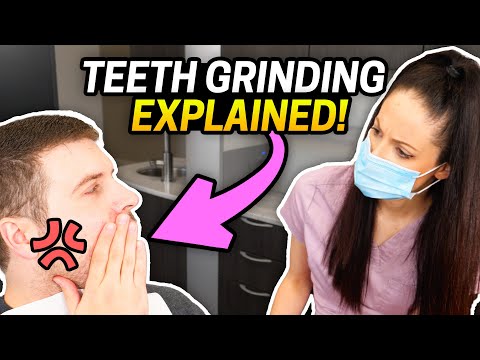
Have you ever woken up with a sore jaw or a headache, only to realize you were grinding your teeth all night? It’s more common than you might think. Teeth grinding, or bruxism, affects many people and can lead to various dental problems. Honestly, it’s pretty frustrating.
This article will explore effective strategies to stop teeth grinding during the day and night. We’ll cover practical tips and techniques that can help you manage this habit effectively. Whether it’s stress-related or something else entirely, understanding why you’re grinding your teeth is the first step toward finding relief.
You know, finding solutions isn’t just about comfort; it’s also about protecting your smile. Imagine having less pain and more peaceful nights—you deserve that! So let’s dive into some strategies that really work.
Remember though: this isn’t a substitute for medical advice. It’s always wise to consult a healthcare professional for personalized guidance. Your health is important!
Discover Simple Strategies to Break the Habit and Find Relief
Understanding Teeth Grinding
Teeth grinding, or bruxism as it’s called, is when you grind or clench your teeth, often without even realizing it. This can happen during the day or at night while you sleep. It’s kind of like your body has a mind of its own, reacting to stress or discomfort.
Why Do People Grind Their Teeth?
Stress is a major player here. Picture this: after a tough day at work, some people unconsciously start grinding their teeth. Other factors include anxiety, misaligned teeth, or even certain medications. Honestly, it’s more common than you might think.
Recognizing the Signs
You might wake up with a sore jaw or headaches. Maybe someone has told you that they heard you grind your teeth at night? If so, that could be a clue! Sometimes wear on your teeth can be another giveaway.
Simple Strategies to Help You Stop Grinding
- Stress Management: Finding ways to relax can really make a difference. Consider activities like yoga or meditation which help calm the mind.
- Mouthguards: These are protective devices that fit in your mouth and shield your teeth from grinding damage. They can be custom-made by dentists.
- Avoid Stimulants: Cutting back on caffeine and nicotine may help reduce grinding since they can increase anxiety levels.
- Pillow Talk: The position you sleep in might affect how much you grind. Try sleeping on your back; it could ease pressure on your jaw.
- Mouth Relaxation Exercises: Practice relaxation techniques for your jaw during the day—opening and closing it gently helps release tension.
A Day-to-Day Approach
A lot of times people feel overwhelmed trying to change habits all at once. Start small! Choose one strategy to focus on for a week and see how it feels. You know? Just gradually incorporate others as time goes on.
If Things Don’t Improve
If you’re still having trouble after trying these strategies, consider talking to someone who knows about oral health issues—like a dentist or therapist specializing in stress management. It’s completely okay to seek help!
The journey to stop grinding may take some time and patience but making changes gradually is definitely possible! Pay attention to what works best for you; we’re all different after all.
Unlock the Secrets to Restful Nights and a Healthier Smile
Understanding Teeth Grinding
So, you know that grinding your teeth is a pretty common issue? It’s called bruxism, and it can happen during the day or night. Many folks do it when they’re stressed or anxious. But the thing is, over time, grinding can wear down your teeth and even mess with your jaw. Ouch!
Signs You’re Grinding Your Teeth
How do you know if you’re one of those grinders? You might wake up with a sore jaw or headaches. Some people notice their teeth feel different, like they’re flatter or more sensitive. It’s sneaky because it can happen while you sleep, so you may not even realize you’re doing it.
Why Does It Happen?
Stress is a big player here—when life gets overwhelming, some people grind their teeth as a way to cope. Look at it this way: it’s like biting your nails when you’re nervous. But there are other factors too, like certain medications or even having an abnormal bite.
Effective Strategies to Tame Teeth Grinding
- Relaxation Techniques: Practicing mindfulness or deep-breathing exercises can help unwind that tension throughout the day.
- Mouthguards: Wearing a mouthguard while sleeping can protect your teeth from grinding damage.
- Avoid Stimulants: Cutting back on caffeine and alcohol might help reduce grinding at night.
- Jaw Exercises: Gentle stretching and relaxation exercises for the jaw can release tightness that leads to clenching.
- Sleep Hygiene: Improving your overall sleep routine—like consistent bedtimes and avoiding screens before bed—might contribute to more restful nights.
The Connection Between Sleep and Oral Health
You might be wondering why all this matters for your smile. Well, poor sleep habits can lead to stress—and we already talked about how stress contributes to bruxism! Plus, if you’re grinding at night, you’ll want to think about how these habits affect not just how well you sleep but also the health of those pearly whites.
A Healthier Smile Starts With Better Choices
If you’re struggling with teeth grinding, taking small steps towards better relaxation and sleep could make a difference in both your nights and smile health. Remember it’s all connected! Take note of what works for you; everyone has their unique triggers and responses.
A Final Thought
Navigating bruxism isn’t always easy; sometimes it’s about trial-and-error in finding what fits best for ya. It’s good practice not only to listen to what our bodies are saying but also talk with someone who knows their stuff if things get tricky. Don’t hesitate to reach out if needed!
Unpacking the Connection Between ADHD and Teeth Grinding
Understanding ADHD and Teeth Grinding
ADHD, or Attention-Deficit/Hyperactivity Disorder, is a condition that affects focus, self-control, and behavior. Many people with ADHD also experience teeth grinding, or bruxism. But why the connection? Well, it often relates to heightened stress and anxiety levels.
For someone with ADHD, dealing with distractions can be overwhelming. This stress might manifest as teeth grinding at night or even during the day. Imagine trying to concentrate while feeling restless; your body might release that tension through grinding your teeth.
The Impact of Teeth Grinding
Teeth grinding can lead to several dental issues. Over time, it may wear down tooth enamel— which is like the armor protecting your teeth. Without this protection, you could end up with sensitivity or even cavities.
Moreover, grinding can cause jaw pain and headaches. Have you ever woken up with a sore jaw? That could be a sign! Many people aren’t even aware they’re doing this because it usually happens during sleep.
Strategies to Help Manage Teeth Grinding
If someone has ADHD and grinds their teeth, addressing both issues is important. One effective strategy is to practice relaxation techniques before bed. Simple activities like reading a book or listening to calm music can help ease anxiety.
- Meditation: Just a few minutes of mindfulness exercises may help calm racing thoughts.
- Pillow support: Try using a supportive pillow that aligns your neck while you sleep—this could reduce tension in the jaw.
- Mouthguards:I know it sounds funny, but custom mouthguards from dentists can protect your teeth from damage during sleep.
Avoiding Stimulants
Caffeine and sugar are often culprits for increasing hyperactivity in people with ADHD. If these substances are consumed late in the day, they could contribute to nighttime grinding! So consider reducing them in the evening for better quality sleep.
The Role of Professional Help
If bruxism persists—whether due to ADHD or other factors—it’s worth talking to a healthcare professional. They can offer personalized advice tailored just for you or help find underlying issues contributing to stress levels.
Final Thoughts on Managing Both Conditions
The key takeaway here is understanding that if you’re experiencing both ADHD and teeth grinding it’s not just coincidence; there’s often an underlying link related mostly to anxiety and tension management. Incorporating relaxation methods into your routine might not solve everything but can make living with both conditions more manageable!
Always listen to your body; it’s essential in recognizing when something feels off! By taking proactive steps together with professionals when needed you have some control over these challenges.
Teeth grinding, or bruxism, is a common issue many people face. It can happen during the day or at night, and honestly, it can lead to significant dental problems if left unchecked. The thing is, it’s often linked to stress, anxiety, or sleep disorders.
One effective strategy is using a mouthguard. It’s like wearing a cushion for your teeth while you sleep. This simple device can prevent damage and alleviate discomfort. However, it’s always important to choose the right one; custom-fitted guards from a dentist tend to provide the best protection.
Another approach is stress management. Techniques like mindfulness meditation and deep breathing exercises can help reduce anxiety levels during the day. Who knew that something as simple as focusing on your breath could have such an impact?
Identifying triggers is key too. Sometimes, keeping a journal of when and why you grind your teeth can reveal patterns that need addressing. Whether it’s work stress or relationship issues, knowing what drives this behavior can guide you toward healthier coping mechanisms.
Finally, don’t overlook lifestyle changes. Reducing caffeine intake and practicing good sleep hygiene are both crucial steps that often get forgotten but make a significant difference in reducing grinding episodes overall.
In reflection, strategies to combat teeth grinding involve not just protective measures but also lifestyle adjustments and emotional well-being practices. It’s about creating an environment – both externally and internally – where bruxism has less room to thrive.