The information provided in this article is intended solely for general informational and educational purposes. It does not constitute medical advice, diagnosis or professional treatment, and should not be considered a substitute for consultation with a qualified doctor or other licensed healthcare professional. Any health-related decisions should be made in consultation with accredited medical professionals.
While efforts have been made to ensure the information is accurate and up to date, no guarantees are given—either express or implied—regarding its accuracy, completeness, currency or suitability. Use of this information is at your own discretion.
It is strongly recommended to consult official sources such as the NHS (National Health Service) or other recognised medical institutions before acting on any information contained on this website or article. Under no circumstances should professional medical advice be ignored or delayed due to content read here.
This content is of a general and informational nature only. It is not intended to replace individualised guidance from a healthcare professional or to establish any doctor-patient relationship. The publication of this information does not imply any professional responsibility, guarantee or obligation on the part of the author or this site.
Have you ever looked in the mirror and felt frustrated by those stubborn pockmarks? You’re not alone. Many people deal with skin imperfections that can make them feel self-conscious. Pockmarks, which are often the aftermath of acne or chickenpox, can leave behind scars that affect one’s confidence.
The thing is, there are actually numerous treatments out there designed to help reduce these marks and improve your skin’s appearance. From professional procedures to home remedies, options vary widely. Understanding these treatments can feel overwhelming, but it doesn’t have to be.
This article will explore 10 effective solutions for treating pockmarks. We’ll look at everything from chemical peels to laser therapy and natural options you can try at home. With the right approach, you might just find a method that works for you.
It’s important to remember though, this article doesn’t replace medical advice. Health decisions should not be made solely based on what you read online. Always consult with a healthcare professional before starting any new treatment plan.
Discover Effective Ways to Smooth and Revitalize Your Skin
Understanding Pockmarks
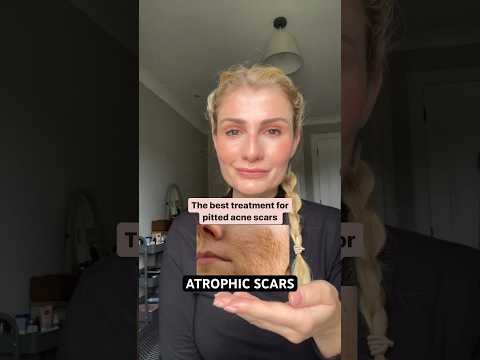
Pockmarks are those small, dimpled scars that can appear on your skin. They often result from conditions like acne or chickenpox. Imagine being left with tiny craters after a storm; that’s kind of what pockmarked skin looks like.
These scars form when the skin’s deeper layers get damaged, and the body doesn’t produce enough collagen to heal properly. Collagen is a bit like the scaffolding of your skin—it keeps it firm and plump.
Effective Treatments for Pockmarks
When it comes to treating pockmarks, there are several options available. Each treatment works in different ways, so it’s important to consider what might suit you best.
- Chemical Peels: This treatment involves applying a solution to your skin that removes the outer layer. Think of it as peeling an onion—layer by layer until you get down to the fresh part underneath.
- Microdermabrasion: This method gently exfoliates the top layer of skin using tiny crystals. It’s basically like sanding down rough wood to reveal smooth surfaces.
- Laser Therapy: Lasers can stimulate collagen production and improve skin texture. It’s akin to using a focused beam of light to encourage growth in a plant.
- Microneedling: This technique uses tiny needles to create micro-injuries in the skin, promoting healing and new collagen formation. Imagine poking holes in dough for better rise—it’s similar but for your skin!
- Surgery: For deeper pockmarks, some people opt for surgical procedures that physically lift or fill in the scarred areas. It’s more invasive but can be effective depending on individual cases.
- Your Own Skin Creams: Ingredients like retinoids or vitamin C can help improve the appearance over time by boosting cell turnover and providing hydration.
- Dermal Fillers: Some treatments use fillers made from substances like hyaluronic acid to plump up indented scars temporarily.
- Cryotherapy:This includes freezing off scar tissue with liquid nitrogen, somewhat similar to how we store food at super low temperatures—just targeted at these troublesome spots!
- Lifestyle Changes:You know? Eating right and staying hydrated can also play a role in overall skin health!
- Sunscreen Use:If you protect your face from sun damage while treating scars, it might help keep them from getting darker or more noticeable, which is super important.
The Importance of Consultation
You might wonder which treatment is right for you; honestly, that varies person-to-person based on many factors including skin type and severity of scarring. Consulting with someone who knows their stuff can really make all the difference here!
A professional will take into account your unique needs before making recommendations—this is crucial since not all treatments are suitable for everyone.
Myths About Skin Treatments
A common myth is that all treatments work overnight—the thing is they often take time! Just as plants need time to grow after watering, so does your skin need patience during healing processes.
You may also hear about miracle creams floating around; keep in mind these don’t exist! Real improvements come through ongoing care and realistic expectations about results smoothening out over time..
Your Journey Ahead
Taking steps toward revitalizing your complexion can feel overwhelming at first, yet remember that many people experience similar struggles with their skins texture. Choosing effective methods carefully—and having realistic expectations—is key!
This journey isn’t just about achieving perfect skin; it’s also about feeling more comfortable in your own body—and that’s what truly matters at then end of day!
Unlock Your Skin’s Radiance: Discover the Most Effective Solutions for Post-Acne Marks
Understanding Post-Acne Marks
Hey, if you’ve ever had acne, you might know that pesky little thing called post-acne marks. These can show up as dark spots or pockmarks after a breakout. What happens is, when acne irritates the skin, it can leave behind some uneven texture or discoloration.
The skin goes through a healing process after an acne lesion. Sometimes it heals beautifully, but often it can take a bit of time to fade. So let’s talk about some options to help improve the appearance of those marks.
1. Topical Treatments
Look, topical treatments are creams or gels applied directly to your skin. Over-the-counter products with ingredients like retinoids or vitamin C can promote cell turnover and brighten the skin. Retinoids are like tiny repair workers for your skin; they help shed dead cells and encourage new ones to grow.
2. Chemical Peels
Chemical peels sound intense but they’re really just a way to exfoliate the top layer of your skin using acids. This helps in reducing pigmentation and improving texture over time. Think of it like giving your face a fresh start! It’s important to get these done by someone who knows what they’re doing though.
3. Microneedling
This one’s pretty interesting! Microneedling involves tiny needles creating micro-injuries on your skin’s surface. This stimulates collagen production—collagen is basically what keeps our skin firm and youthful looking. After treatment, many people notice improvements in their scars.
4. Laser Therapy
If you’re looking for something more high-tech, laser therapy might be worth considering. Lasers target specific layers of the skin and can help reduce redness and improve texture as they stimulate collagen too.
5. Dermal Fillers
You might have heard about dermal fillers used for wrinkles, right? Well, fillers can also be used for pockmarks! They add volume under the skin and help smooth out areas that appear sunken in from scarring.
A Few Other Options
- Microdermabrasion:This is a lighter form of exfoliation that removes dead skin cells using tiny crystals.”
- Sunscreen:A crucial step! Sun exposure can darken marks more than they need too.”Keep applying sunscreen regularly.”
- Nano-needling:A less invasive alternative compared to microneedling for improving texture.”It uses smaller needles which means shorter recovery time.”
The Importance of Patience
You know? No matter what treatment you choose, patience is key here! Results often take time—months sometimes—to become noticeable. Consistency with any chosen method will also play a big role in how successful things are going to be for you.
Consulting Professionals
If you’re unsure about what’s right for you, consider talking to someone who specializes in skincare treatments.”They’ll guide you based on your specific needs.” This isn’t just trial and error; finding the right approach makes all the difference!
Your Takeaway
At the end of the day,”it’s about making informed choices that align with your goals”and being realistic about outcomes.”Post-acne marks don’t have to define you; there are options available!” Good luck on this journey—your radiant skin awaits!
Uncovering Effective Solutions for Smooth, Radiant Skin
Understanding Pockmarks
Pockmarks are those little dents or scars that can form on the skin, often because of conditions like acne. When the skin heals, it sometimes leaves these indents behind. It’s pretty common, especially for people who’ve battled severe acne or chickenpox.
They can be a bit tricky to deal with, and many folks wonder what they can do to help smooth out their skin. There are a number of treatments around that might be worth considering.
1. Chemical Peels
Chemical peels use acids to exfoliate the skin. Think of it like getting a fresh layer of skin without all the dead cells on top. This helps minimize pockmarks by encouraging new cell growth.
However, it’s good to know that this method may involve some redness or peeling afterward, so keep that in mind!
2. Microdermabrasion
This treatment involves gently sanding away the outer layer of your skin. Sounds harsher than it is! Really, it’s more about smoothing things out and allowing new skin cells to emerge.
It often comes with minimal downtime since it’s more surface-level than other methods.
3. Laser Therapy
Laser treatments work by using focused light beams to treat specific areas on your skin. The heat from the lasers stimulates collagen production, which helps your skin appear smoother over time.
You might need multiple sessions though; and there could be some swelling or redness post-treatment.
4. Microneedling
This technique uses tiny needles to create small punctures in the skin—don’t worry; it sounds worse than it is! This induces collagen production as well and can improve texture and tone significantly.
5. Fillers
Sometimes dermatologists suggest dermal fillers for pockmarks too. These fillers plump up areas where there are indentations, helping them appear more even with surrounding skin.
The effects aren’t permanent but they can provide quick results for special occasions!
6. Topical Treatments
Creams containing ingredients like retinoids or alpha hydroxy acids can help improve texture over time from home! They promote cell turnover and stop new marks from forming as well.
7. Maintenance is Key
No matter which treatment you consider, keeping up with a solid skincare routine is key after any intervention!
8. Sun Protection
- Avoiding sun exposure helps protect newly treated areas—the sun can darken scars!
- The right sunscreen provides a barrier and promotes healing as well.
9. Consult with a Professional?
- If you’re unsure about what’s best for you—or have specific concerns—it’s totally fine to chat with a skincare professional! They can tailor recommendations based on your unique needs.
- {Sometimes just getting advice can put you at ease knowing what options exist;}
10: Patience Pays Off!
No matter which treatment path you choose, remember that changes may take time! Skin doesn’t heal overnight; think of it like growing a garden—you’ve gotta nurture it along the way.
Effective Treatments for Pockmarks: 10 Solutions to Consider
Pockmarks, those small depressions in the skin often caused by acne or chickenpox, can be a source of frustration for many. The good news is there are various treatments available that aim to improve skin texture and reduce their appearance. Let’s take a closer look at some effective options.
1. Microneedling
This treatment involves using fine needles to create tiny wounds in the skin. It stimulates collagen production, which can help fill in pockmarks over time.
2. Chemical Peels
They use acids to exfoliate the top layers of skin. This process promotes the growth of new, smoother skin and can lessen the visibility of pockmarks.
3. Laser Therapy
Laser treatments work by targeting specific areas on your skin, promoting healing and collagen formation. Results vary depending on the type used.
4. Fillers
Dermal fillers are substances injected into pockmarks to elevate the depressed areas, giving the skin a more even appearance. This is more temporary compared to other methods.
5. Subcision
This surgical procedure involves cutting the fibrous bands beneath pockmarks to release them and allow new tissue to form effectively.
6. Cryotherapy
This approach uses extreme cold to target and destroy damaged cells in the affected area, leading to smoother skin as it heals.
7. Topical Treatments
Creams with retinoids or silicones can help improve skin texture over time by promoting cell turnover and collagen production while hydrating your skin too.
8. Radiofrequency Therapy
This method heats up deep layers of your skin using radio waves, stimulating collagen regeneration without damaging outer layers, which can be effective for scars too.
9. Home Remedies
- Aloe vera may hydrate and heal minor mark’s effectively.
- Lemon juice acts as a natural exfoliant though it’s best used with caution due its acidity; Patch-testing is smart!
- The use of honey could promote healing due to its antibacterial properties—good for scarring!
10. Consultation with a Dermatologist
The best first step is talking with a professional who understands your unique situation; they can recommend what treatment aligns best with your goals and what’s safe for you based on individual factors like skin type or health history.
No single approach works for everyone, so exploring these options might lead you closer towards clearer skin that you’re comfortable with! Don’t rush it—patience during treatment leads toward optimal results over time!