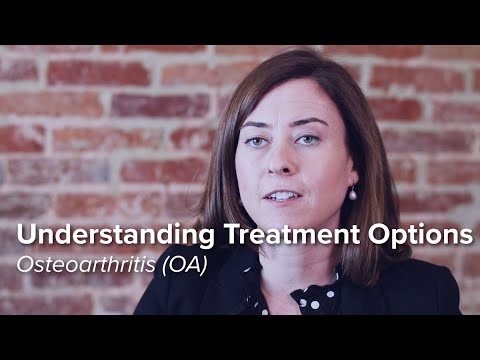
Osteoarthritis is like an unwelcome guest that many people face as they age. Imagine your joints as hinges on a door; over time, they can wear down and become less smooth, causing discomfort and movement challenges. What if I told you that there are various treatments available to help ease this burden?
In this guide, we will explore effective treatments for osteoarthritis ranging from lifestyle modifications to medical interventions. Understanding these options can empower you to manage your symptoms and maintain an active life.
However, it’s important to take caution. Not every treatment works for everyone. Always consult with different healthcare professionals—like physical therapists, rheumatologists, or nutritionists—and gather information from reliable sources before making decisions about your care. Educating yourself allows you to make informed choices and find the right approach tailored to your needs. Remember, knowledge is power!
The information provided in this article is intended solely for general informational and educational purposes. It does not constitute medical advice, diagnosis or professional treatment, and should not be considered a substitute for consultation with a qualified doctor or other licensed healthcare professional. Any health-related decisions should be made in consultation with accredited medical professionals.
While efforts have been made to ensure the information is accurate and up to date, no guarantees are given—either express or implied—regarding its accuracy, completeness, currency or suitability. Use of this information is at your own discretion.
It is strongly recommended to consult official sources such as the NHS (National Health Service) or other recognised medical institutions before acting on any information contained on this website or article. Under no circumstances should professional medical advice be ignored or delayed due to content read here.
This content is of a general and informational nature only. It is not intended to replace individualised guidance from a healthcare professional or to establish any doctor-patient relationship. The publication of this information does not imply any professional responsibility, guarantee or obligation on the part of the author or this site.
Unlocking Relief: Discover the Best Solutions for Managing Osteoarthritis Pain
Osteoarthritis is a common condition that affects millions of people worldwide. It occurs when the protective cartilage cushioning your joints wears down over time. This can lead to pain, stiffness, and swelling.
Managing osteoarthritis pain is crucial for maintaining a good quality of life. Thankfully, there are several options available that may help ease discomfort. Let’s explore some effective treatments.
Exercise is one of the best ways to manage osteoarthritis pain. Gentle activities like walking or swimming can strengthen muscles around the joints and improve flexibility. Think of it like oiling a rusty hinge; regular movement helps keep everything working smoothly.
Weight management is also essential, especially if you’re carrying extra pounds. Losing weight can significantly reduce pressure on weight-bearing joints, like hips and knees. Just a small loss can make a big difference in comfort levels.
Pain relief medications, such as acetaminophen or nonsteroidal anti-inflammatory drugs (NSAIDs), may help reduce pain and inflammation. However, it’s always best to check with someone who understands your personal health needs before starting any medication.
Physical therapy can also provide relief. A skilled therapist can design a personalized exercise program focused on enhancing strength, balance, and overall function. Think of them as your personal coach guiding you toward better joint health.
Assistive devices, like braces or shoe inserts, can also play a role in managing symptoms. They help support affected joints and improve mobility—much like using crutches when you have an injury.
Some people find complementary therapies, such as acupuncture or massage therapy, helpful for reducing pain and stress levels too. These therapies might provide extra comfort alongside traditional treatments.
It’s important to stay informed about disease-modifying treatments. Some newer medications aim to slow the progression of osteoarthritis rather than just treat symptoms unlike older approaches focused mainly on symptom relief.
Always remember that what works for one person may not work for another; individual responses vary greatly in treatment outcomes.
In managing osteoarthritis pain effectively, it’s wise to consult with knowledgeable people who know your specific situation well—that way you get recommendations tailored just for you!
Stay proactive about your joint health by exploring all available options—and don’t hesitate to reach out for support from healthcare providers when needed!
Discover the Best Initial Steps to Relieve Your Osteoarthritis Pain
Osteoarthritis can be a tough condition to deal with. It often causes pain and stiffness in joints, making daily activities difficult. But there are initial steps you can take to help relieve that discomfort.
Start with gentle movement. Even though it might seem counterintuitive, staying active is crucial. Think of your joints like hinges; they need movement to stay flexible. Simple range-of-motion exercises can help keep them working smoothly.
Consider weight management. If you’re carrying extra pounds, it adds stress on your joints, especially in the knees and hips. Losing even a small amount of weight can make a big difference in how you feel.
Heat and cold therapy are effective tools too. Apply a warm compress or heating pad to ease stiffness. On the other hand, ice packs can reduce swelling and numb sharp pain after activity.
Working with a physical therapist can provide personalized exercises designed for your specific needs. They’ll teach you how to move safely while building strength.
Pain relievers like acetaminophen or nonsteroidal anti-inflammatory drugs (NSAIDs) may offer some relief. Always follow the instructions and consult about any concerns.
Diet matters. Eating foods rich in omega-3 fatty acids, like fish or walnuts, may help reduce inflammation in the body. A balanced diet ensures you get essential nutrients for joint health too.
Remember that everyone’s experience with osteoarthritis is different. What works for one person might not work for another. Keep track of what helps or worsens your symptoms over time.
It’s also important to stay connected with healthcare providers when managing this condition. They offer insights tailored just for you based on your situation.
Consider these steps as part of an overall plan to tackle osteoarthritis pain wisely and responsively!
Finding Relief and Improving Quality of Life in Osteoarthritis Management
Osteoarthritis (OA) is a common joint condition that affects millions of people. It occurs when the protective cartilage that cushions the ends of bones wears down over time. This can lead to pain, stiffness, and reduced mobility. Understanding how to manage osteoarthritis can help improve your quality of life.
Finding ways to relieve discomfort is key. Here are some strategies you might consider:
Over-the-counter medications can provide relief too. Nonsteroidal anti-inflammatory drugs (NSAIDs) like ibuprofen may reduce pain and inflammation. Always read labels carefully and be aware of potential side effects.
In some cases, physical therapy might be beneficial. A qualified therapist can tailor exercises to fit your needs. This personalized approach often leads to better outcomes.
Supplements such as glucosamine and chondroitin are popular among some people with OA. While studies show mixed results, they may help some individuals feel better.
It’s also important to keep an open dialogue with healthcare providers about treatment options. They can guide you through what might work best for you based on individual needs.
Mind-body techniques like yoga or meditation may help manage pain too. These practices promote relaxation and stress reduction, which can enhance overall well-being.
Many myths surround osteoarthritis management—like believing surgery is the only option when symptoms become severe. In reality, several non-invasive approaches exist that might effectively alleviate discomfort before considering surgery.
Education is crucial in dealing with osteoarthritis effectively, so stay informed about new research findings or treatment options as they arise.
Remember that everyone’s experience with osteoarthritis is unique. What works for one person may not work for another, so a personalized approach is essential in managing this condition effectively.
Ultimately, by taking small steps toward managing osteoarthritis—through lifestyle choices and seeking support—you can enhance your quality of life significantly over time.
Osteoarthritis often feels like a stubborn companion. It’s a joint condition that can cause pain, stiffness, and reduced mobility. Understanding effective treatments is crucial for managing symptoms and improving quality of life.
Weight Management is one of the first steps. Extra weight puts additional stress on weight-bearing joints like hips and knees. Losing even a small amount can lead to significant relief.
Physical Therapy can be immensely helpful. A tailored exercise program increases flexibility and strengthens muscles around the joints. Think of it as building a supportive structure around a fragile area.
Pain Relief Medications are commonly recommended, including over-the-counter options like acetaminophen or nonsteroidal anti-inflammatory drugs (NSAIDs). These can help manage discomfort but should be used judiciously due to potential side effects with long-term use.
Injections, such as corticosteroids or hyaluronic acid, may provide temporary relief for some individuals. They work by reducing inflammation or lubricating the joint, respectively.
Alternative Therapies, including acupuncture or dietary supplements like glucosamine, have varying evidence supporting their effectiveness. It’s important to consult with a healthcare provider before starting any new treatment.
Finally, surgical options, such as joint replacement surgery, may be considered when conservative treatments fail to provide relief. This decision requires careful consideration and discussion with your healthcare team.
In summary, managing osteoarthritis involves a multifaceted approach that prioritizes individual needs and preferences. The right combination of strategies can significantly improve daily function and overall well-being while fostering informed decision-making about one’s health journey.