The information provided in this article is intended solely for general informational and educational purposes. It does not constitute medical advice, diagnosis or professional treatment, and should not be considered a substitute for consultation with a qualified doctor or other licensed healthcare professional. Any health-related decisions should be made in consultation with accredited medical professionals.
While efforts have been made to ensure the information is accurate and up to date, no guarantees are given—either express or implied—regarding its accuracy, completeness, currency or suitability. Use of this information is at your own discretion.
It is strongly recommended to consult official sources such as the NHS (National Health Service) or other recognised medical institutions before acting on any information contained on this website or article. Under no circumstances should professional medical advice be ignored or delayed due to content read here.
This content is of a general and informational nature only. It is not intended to replace individualised guidance from a healthcare professional or to establish any doctor-patient relationship. The publication of this information does not imply any professional responsibility, guarantee or obligation on the part of the author or this site.
Have you ever felt that sharp pain in your knee while climbing stairs or just getting up from the couch? You’re not alone. Joint pain, especially in the knees, affects millions of people. One common culprit is osteoarthritis, a condition that wears down the cartilage cushioning your joints.
Many folks struggle with everyday activities because of this discomfort. Finding relief can be frustrating, and that’s where solutions like the unloader knee brace come into play. This specialized brace doesn’t just provide support; it actually helps redistribute weight away from the damaged part of your knee.
In this article, we’ll explore how an unloader knee brace can offer much-needed relief for osteoarthritis sufferers. We’ll discuss how it works and what kind of benefits you might expect. It’s important to note that while this information is helpful, it shouldn’t replace medical advice. Always consult with a healthcare professional before making any health decisions.
Your journey to managing knee pain doesn’t have to be lonely or confusing. Let’s figure out how to make it easier together.
Finding Comfort: Effective Solutions for Knee Osteoarthritis Pain Relief
Understanding Knee Osteoarthritis
Knee osteoarthritis is a common condition, especially as we age. It happens when the cartilage—the cushioning between your bones—wears down. Think of it like a tire losing tread over time. When that cushioning diminishes, you might experience pain, stiffness, and swelling.
Many people feel the effects in their daily life. For instance, simple activities like going up stairs or getting up from a chair can become challenging. The discomfort can be frustrating and limit mobility.
What is an Unloader Knee Brace?
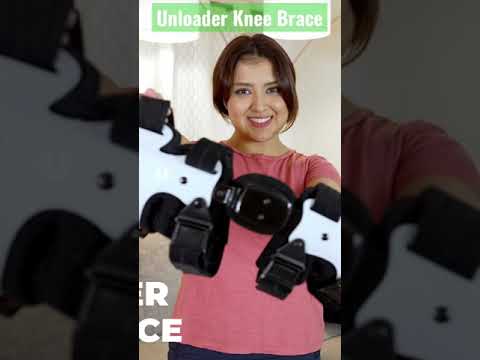
An unloader knee brace is a specific type of brace designed to help with knee osteoarthritis pain. The idea is straightforward: it shifts the weight off the affected part of your knee.
Imagine wearing a backpack on one shoulder for an extended time—eventually, it strains that side more than the other. An unloader brace helps distribute forces more evenly across your knee joint.
How Does It Work?
The unloader brace works by applying pressure to one side of your knee while relieving stress on the other side. So if you have osteoarthritis on the inner side of your knee (the most common site), it can help take off some of that load.
This mechanism may ease pain and improve function, allowing individuals to move more comfortably during daily activities.
Who Can Benefit from an Unloader Brace?
- If you’ve been diagnosed with osteoarthritis in your knee, this may be helpful for you.
- People who find medications aren’t enough to manage their pain often consider braces as an additional option.
- If you’re looking for a non-surgical approach before jumping into surgical options like joint replacement.
Using the Brace: What to Expect
When you first wear an unloader brace, it might feel different or even uncomfortable at first. That’s pretty normal! Some folks adjust quickly; others take longer to get used to them.
It’s essential to follow guidance on how long and when to wear it for maximum benefit without causing irritation or discomfort.
Merging with Other Treatments
- An unloader brace isn’t usually a stand-alone solution; it’s often part of a broader treatment plan.
- You might also consider physical therapy or exercise tailored specifically for knee osteoarthritis.
- Pain management through medication or injections could complement the use of a brace too.
A Word About Expectations
This isn’t magic; some people may find significant relief while others notice only slight improvements. Keeping realistic expectations is crucial—progress can vary widely among individuals!
Wrap Up
If you’re dealing with knee osteoarthritis pain and considering different options, talking about an unloader brace with someone knowledgeable could be worth exploring. It’s just one piece in managing this challenging condition that impacts so many lives. Remember, finding what works best for you might take some time and trial-and-error!
Find the Right Fit: Discovering the Ideal Duration for Your Unloader Knee Brace
Understanding Unloader Knee Braces
An unloader knee brace is designed to relieve pressure on the knee joint. It works by redistributing weight away from the damaged area. Think of it like shifting your backpack to make it feel lighter on your shoulders.
This type of brace is often used by people with osteoarthritis, a common condition that causes joint pain and stiffness. The goal? To help you move more comfortably without overloading the affected area.
Determining the Right Fit
Finding the right fit for your unloader brace is crucial. A well-fitted brace should feel snug but not painfully tight. Picture it as fitting into a favorite pair of shoes; they should support you without pinching.
Many factors influence how long you should wear an unloader brace each day. Comfort and activity levels play important roles here—if you’re sitting most of the day, you might need it less than if you’re walking or standing a lot.
How Long to Wear It?
The duration can vary significantly from person to person. Some may find relief after wearing it for just a couple of hours, while others might benefit from all-day use during activities that put stress on their knees.
A good rule of thumb could be starting with shorter periods and gradually increasing as tolerated. It’s somewhat like training for a marathon; you wouldn’t run 26 miles on day one!
Listening to Your Body
Your body provides essential feedback about how it’s responding to the brace. If you start feeling increased pain or discomfort, it’s wise to reevaluate how much you’re using it.
Consultation Matters
It’s always best to have conversations with healthcare providers about what’s right for you. They can offer personalized advice based on your specific needs and conditions.
Final Thoughts
The ideal duration for wearing an unloader knee brace varies widely among individuals, depending on comfort and activity level. Finding what’s right requires some trial and error while keeping in touch with professional guidance.
Find Relief and Comfort with the Right Knee Support for Osteoarthritis
Understanding Osteoarthritis
Osteoarthritis is a common joint condition. It happens when the cartilage, which cushions the ends of bones, wears down over time. This can lead to pain, stiffness, and swelling in your joints, particularly in the knees.
Imagine your knee joint like a door hinge. If the hinges get rusty or worn out, they won’t work as smoothly. That’s what happens in osteoarthritis – it leads to friction and discomfort with movement.
Knee Support Options
Finding the right knee support can really help manage symptoms of osteoarthritis. There are many options available. These include braces, sleeves, and wraps specifically designed for support.
Among these options, unloader knee braces are quite popular. They’re designed to redistribute pressure away from the damaged part of your knee. So instead of putting all that pressure on one area, it spreads it out more evenly.
The Unloader Knee Brace
An unloader knee brace works by creating a slight adjustment in alignment. This means that when you walk or move around, less weight goes through the painful side of your knee. Think of it like having an extra pair of hands helping you lift something heavy – it lightens the load.
This type of brace usually has a rigid structure with straps that you can adjust for comfort and fit. It’s important that it feels right on your leg; otherwise, it might not work properly or could even cause discomfort.
Benefits of Using an Unloader Knee Brace
- Pain Relief: Many people find some level of comfort while wearing this brace as they engage in everyday activities.
- Increased Mobility: With decreased pain comes better ability to move around without fear of aggravating symptoms.
- Support During Activities: Whether it’s walking or standing for long periods; an unloader brace offers essential support.
Picking the Right One for You
Selecting a suitable brace often depends on individual needs and preferences. It’s key to think about how much support you require and what activities you’ll be doing while wearing it.
If you’re active and need to stay mobile throughout the day, look for something lightweight yet supportive. If you’ll be sitting more often than not—a bulkier option may do just fine!
Tips for Wearing Your Brace
- Start Slow: If you’ve never worn one before start by using it for short periods—let your body adjust.
- Sizing Matters: Make sure it fits well; too tight can cause circulation problems while too loose won’t provide proper support./li>
- Cleansing: Knee braces should be kept clean; check if yours is machine washable or needs special care.
Minding Expectations
The important thing here is that relief doesn’t happen overnight; it’s about managing symptoms over time with consistent use alongside other treatments recommended by someone familiar with your health history.
A Word on Lifestyle Changes
No brace alone will solve everything! It’s also wise to think about gentle exercise—like swimming or cycling—as well as maintaining a healthy weight where possible since extra pounds put more stress on those knees!
The Final Thoughts
A good knee support may help improve comfort for those living with osteoarthritis but take care! Always listen to how your body feels when trying any new device or treatment approach—what works wonders for one person may not have same effect on another!
The unloader knee brace has gained attention in recent years as an effective treatment option for individuals suffering from osteoarthritis, particularly in the knee. Osteoarthritis occurs when cartilage, the protective tissue at the ends of bones, wears down over time. This can lead to pain, stiffness, and loss of mobility.
So, how does an unloader brace work? Basically, it’s designed to shift weight away from the damaged part of the knee joint. Imagine trying to walk on a broken floorboard; if you can shift your weight to a stronger board nearby, it makes walking easier and less painful. In this case, the brace redistributes pressure during movement.
Many users report significant relief from pain and improved mobility after using the brace regularly. It’s not a miracle cure—alongside physical therapy or medication—but for some people, it can make a noticeable difference in their daily lives.
However, there are considerations; wearing a brace might take some getting used to. Patients often need guidance on how to put it on correctly and adjust the fit. It’s essential that they understand it shouldn’t be relied upon exclusively but rather used as part of a comprehensive treatment plan.
Furthermore there are variations in effectiveness based on individual circumstances—like severity of osteoarthritis or overall activity levels. What works wonders for one person may not yield the same results for another.
The conversation around unloader knee braces demonstrates how personalized care is vital in managing chronic conditions like osteoarthritis. As more people seek non-invasive treatments and solutions that enhance quality of life without surgical intervention, understanding options like these becomes increasingly essential.