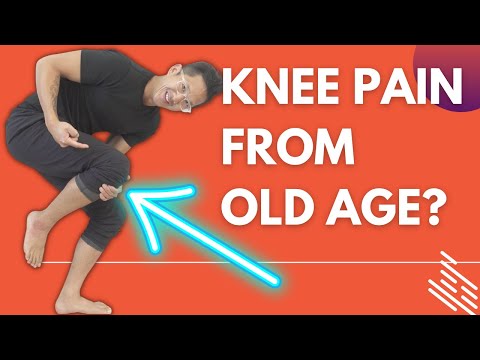
Knee pain can feel like a heavy weight, making even the simplest activities challenging. Whether it’s the ache after a long day or the sharp twinge that strikes when you least expect it, understanding how to manage and relieve this discomfort is essential. Just like keeping a car in good shape for a smooth ride, taking care of your knees will help you navigate life more freely.
In our exploration of knee pain relief, we’ve compiled 11 key dos and don’ts to guide you. These practical strategies will empower you to make informed decisions about your health. Imagine being equipped with tools to ease your discomfort and improve mobility, allowing you to stay active and engaged in daily life.
However, it’s crucial to remember that every knee is unique. What works for one person might not work for another. Before making any significant changes to your routine or treatment plan, seek advice from different specialists—like physical therapists or doctors—and explore various media sources for comprehensive information. Relying solely on one source can lead to misconceptions or worsen the issue.
Stay curious and proactive about your knee health! You deserve relief and the freedom to move without pain holding you back.
The information provided in this article is intended solely for general informational and educational purposes. It does not constitute medical advice, diagnosis or professional treatment, and should not be considered a substitute for consultation with a qualified doctor or other licensed healthcare professional. Any health-related decisions should be made in consultation with accredited medical professionals.
While efforts have been made to ensure the information is accurate and up to date, no guarantees are given—either express or implied—regarding its accuracy, completeness, currency or suitability. Use of this information is at your own discretion.
It is strongly recommended to consult official sources such as the NHS (National Health Service) or other recognised medical institutions before acting on any information contained on this website or article. Under no circumstances should professional medical advice be ignored or delayed due to content read here.
This content is of a general and informational nature only. It is not intended to replace individualised guidance from a healthcare professional or to establish any doctor-patient relationship. The publication of this information does not imply any professional responsibility, guarantee or obligation on the part of the author or this site.
Simple Mistakes That Can Worsen Your Discomfort
Knee pain can be frustrating and uncomfortable. Many people unknowingly make simple mistakes that can worsen their discomfort. Let’s explore these common pitfalls and how to avoid them.
First off, ignoring rest is a common mistake. When your knee hurts, pushing through the pain may seem tough but it often leads to more damage. Think of your knee like a sore muscle after a workout; resting is vital for recovery.
Another mistake is neglecting proper footwear. Wearing shoes without adequate support can strain your knees more. It’s similar to trying to walk on uneven ground without proper traction—it just doesn’t work well!
Also, skipping warm-ups isn’t wise. Jumping into exercise without preparing your muscles is like diving into a pool without checking the water level first. A good warm-up helps reduce the risk of injury.
Using heat and ice improperly can also cause issues. Heat can soothe stiff muscles but may worsen swelling if there’s inflammation. Ice helps reduce swelling but may not provide relief if applied too long or inappropriately.
Sometimes, people think sitting too long will help their knees rest, but being inactive for too long can lead to stiffness and weakness in the joints. Try gentle movements or stretches instead.
When it comes to weight management, ignoring diet plays a big role in knee pain too. Extra weight adds stress on your knees every time you move, much like carrying heavy backpacks day after day.
Overdoing high-impact activities is another blunder many make. Activities like running or jumping can strain the knees if done excessively—think of it as repeatedly bending a paperclip until it snaps.
Finally, not listening to your body can lead you astray. If something doesn’t feel right during an activity, it’s crucial to stop rather than push through discomfort.
Weighing these factors carefully will help manage knee pain better and improve overall joint health. Awareness of simple mistakes is key to avoiding further discomfort in everyday activities!
Discover the Most Effective Solutions to Alleviate Your Knee Pain
Knee pain can be really challenging, but there are ways to help ease it and improve your quality of life. Let’s explore some effective solutions along with key dos and don’ts to keep in mind.
First, understand the causes. Knee pain can arise from injuries, arthritis, or wear and tear over time. Recognizing what’s causing the pain is crucial for addressing it properly.
Here are some dos to consider:
Now, let’s talk about some don’ts:
Remember, it’s important to listen to what your body tells you. If something doesn’t feel right while trying these methods, take a step back.
Sometimes knee pain might need more attention than just home remedies. Consulting with a healthcare provider helps ensure you’re taking the best approach tailored for you.
Ultimately, maintaining an informed perspective empowers you as you navigate knee discomfort. Taking small yet meaningful steps can lead towards better days ahead!
Unlocking the Secrets Behind Your Knee Pain: Understanding the 10 Code
Knee pain can be a real challenge. It affects many people, impacting daily activities and overall quality of life. Understanding what’s going on with your knee is the first step toward feeling better.
The 10 Code refers to a system used in healthcare to classify different sorts of knee issues. When you hear “knee pain,” it could mean several things.
Each issue has its own set of symptoms and causes. For instance, injuries often result from excessive use or sudden trauma, while arthritis is usually linked to aging or autoimmune conditions.
A common myth is that all knee pain requires surgery. This isn’t true for most cases! Many people find relief through non-invasive methods like physical therapy, medication, or lifestyle changes.
Here are some key dos and don’ts for managing knee pain:
Dos:
Don’ts:
Remember that listening to your body is essential. If something feels off, pay attention!
It’s also good to know that managing weight can help relieve stress on the knees. Every pound you shed takes pressure off joint surfaces.
So what’s next? Start by assessing your activity levels and any discomfort you’re experiencing. A simple log of what activities cause pain can help pinpoint triggers.
Finding the right balance between movement and rest is key to maintaining healthy knees. While advice from friends or family might be well-meaning, relying on evidence-based information will serve you best.
In conclusion, understanding what might be behind your knee pain gives you power over it. Use this knowledge to guide conversations with healthcare professionals when needed—and remember that small changes today can lead to big improvements tomorrow!
Knee pain is a common issue that affects many people, regardless of age or activity level. Understanding how to manage it effectively is crucial. The article “Knee Pain Relief: 11 Key Dos and Don’ts You Should Follow” offers valuable insights into this topic.
The Dos: Prioritizing rest is essential when dealing with knee pain. Engaging in gentle exercises helps maintain flexibility without overstraining the joint. Using supportive gear, like braces or orthotics, can significantly improve comfort and stability.
The Don’ts: It’s vital to avoid high-impact activities that can exacerbate pain, such as running on hard surfaces. Ignoring persistent discomfort can lead to more severe issues down the line, so listening to your body is essential.
One of the most significant takeaways from this article is the importance of tailoring approaches to individual needs. What works for one person might not work for another due to varying underlying causes of knee pain.
In conclusion, this guidance encourages informed decisions about managing knee health effectively while emphasizing a balanced approach. By following these dos and don’ts, individuals can empower themselves toward better mobility and reduced discomfort.