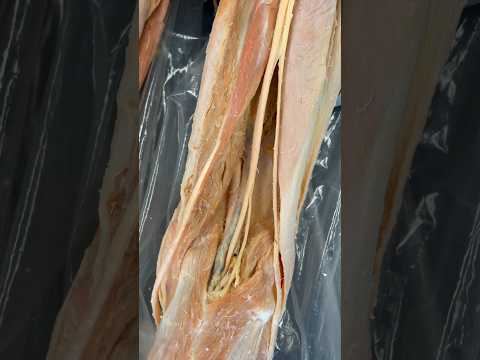
Have you ever felt a nagging pain behind your knee that made you wonder what was going on? You’re not alone. Many people experience discomfort in this area, and it can be puzzling. The knee is a complex joint with ligaments, tendons, muscles, and cartilage all working together. When something goes wrong, it often sends signals of pain that can leave us scratching our heads.
This pain can stem from various sources: overuse, injury, or even underlying conditions like arthritis. It’s like trying to solve a mystery with different clues leading to diverse suspects. Understanding these possibilities is essential for finding relief and restoring your mobility.
However, it’s crucial to approach the topic responsibly. Pain behind the knee can arise from numerous causes, some of which may require professional evaluation. Always seek out information from a variety of specialists—like doctors, physiotherapists, or orthopedic experts—and utilize credible health resources. Don’t rely on one source alone; ask questions and educate yourself thoughtfully to make informed decisions about your health. This proactive approach can help guide you toward the right treatment options for your unique situation.
The information provided in this article is intended solely for general informational and educational purposes. It does not constitute medical advice, diagnosis or professional treatment, and should not be considered a substitute for consultation with a qualified doctor or other licensed healthcare professional. Any health-related decisions should be made in consultation with accredited medical professionals.
While efforts have been made to ensure the information is accurate and up to date, no guarantees are given—either express or implied—regarding its accuracy, completeness, currency or suitability. Use of this information is at your own discretion.
It is strongly recommended to consult official sources such as the NHS (National Health Service) or other recognised medical institutions before acting on any information contained on this website or article. Under no circumstances should professional medical advice be ignored or delayed due to content read here.
This content is of a general and informational nature only. It is not intended to replace individualised guidance from a healthcare professional or to establish any doctor-patient relationship. The publication of this information does not imply any professional responsibility, guarantee or obligation on the part of the author or this site.
Understanding the Uncomfortable Sensation Behind Your Knee
Experiencing discomfort behind your knee can be puzzling. It’s not an uncommon issue, but understanding the cause is essential for managing it effectively.
The sensation could arise from various sources. Knee pain often relates to the structures surrounding the joint, including muscles, ligaments, and tendons.
One common cause is a muscle strain. Just like pulling a rubber band too tightly can lead to damage, overusing or overstretching your leg muscles can result in soreness behind the knee.
Another possible reason is a ligament injury. For instance, the posterior cruciate ligament (PCL) helps stabilize your knee. If it’s damaged, it may lead to pain or instability in that area.
Bursitis is also worth mentioning. Bursae are tiny fluid-filled sacs that reduce friction around joints. If they become inflamed from wear and tear or injuries, you might feel discomfort behind your knee.
Sometimes the sensation can be linked to conditions related to blood flow. A condition called popliteal artery entrapment syndrome compresses blood vessels behind the knee and may cause pain during activity.
- Cysts (like Baker’s cysts)
- Arthritis
- Tendonitis
Being aware of accompanying symptoms can help you determine severity. Swelling, redness, or difficulty moving your leg might indicate that something needs more attention.
Think of this situation like a traffic jam: various factors—like construction or accidents—can contribute to problems on the road. Similarly, multiple issues could intersect to create pain behind your knee.
It’s always wise to reflect on recent activities if this discomfort arises suddenly after exercise or strain. You might have just pushed a little too hard!
While many causes of pain behind the knee are not serious and improve with rest or ice application, persistent problems warrant further evaluation by someone who can help explore these symptoms more deeply.
Remember that understanding what’s happening in your body fosters better health decisions! Listen to what your body is saying; it often knows best when something feels off.
Discover effective strategies to relieve discomfort and regain mobility.
Experiencing discomfort behind the knee can be frustrating. It may limit your ability to move freely and enjoy daily activities. Understanding effective strategies for relief can help you regain mobility.
First, it’s important to identify the source of discomfort. The pain might come from various causes like injuries, arthritis, or even sciatica. Knowing what’s behind the pain can guide your approach.
Rest is key. Allowing the affected area some time to heal can often reduce inflammation and discomfort. Think of it like giving a sprained ankle a break.
Ice therapy can also work wonders. Applying an ice pack for 15-20 minutes can numb pain and reduce swelling, similar to how cooling down a hot cup of coffee makes it more enjoyable to drink.
Incorporating gentle stretching and strengthening exercises is vital too. They help improve flexibility and support surrounding muscles. Just remember, take it slow! Overdoing it can worsen your situation.
Hydration plays an underrated role in joint health as well. Drinking plenty of water helps keep cartilage lubricated, reducing discomfort in your knees.
You may also want to consider using compression wraps or knee braces. These offer support and stability while you recover—like wearing a snug glove that enables better grip without restricting movement.
Lastly, keep an eye on your posture during activities like sitting or standing. Proper alignment can alleviate pressure on your knees—think of it as stacking books neatly so they don’t tip over!
If symptoms persist or worsen despite trying these strategies, seeking professional guidance is important. It’s always wise to have someone look deeper into persistent pain issues.
Remember that every body responds differently; what works for one person may not work for another. Stay patient with yourself as you explore different approaches to regain comfort and mobility in your daily life.
Understanding the Signs and Signals of Knee Injury
When it comes to knee injuries, being aware of the signs and signals is crucial. Our knees are complex joints that bear a lot of weight and pressure. Understanding the pain behind the knee can help you respond appropriately.
Pain is often the first signal. It can range from a dull ache to sharp pangs. If you feel discomfort when moving or putting weight on your leg, it might indicate an issue.
Swelling is another common sign. When tissues around your knee are injured, they may become inflamed, leading to visible swelling. If your knee looks puffier than usual, take note.
You might also experience stiffness. This can make it hard to bend or straighten your leg fully. Think of it like trying to move a rusty hinge; something isn’t quite right.
Another signal is instability. If your knee feels like it might buckle or give way while walking, this could suggest a ligament injury or other issues.
It’s important to look out for bruising too. Discoloration around the knee means there was bleeding under the skin, often from trauma.
Also consider how you’re using your knee during activities. If certain movements trigger pain—like squatting or climbing stairs—this feedback is vital in understanding your condition.
Keep in mind that not all pain stems from an obvious injury. Conditions like arthritis can cause discomfort behind the knee as well.
If symptoms persist, it’s wise to seek professional advice. Ignoring ongoing pain could lead to further complications down the line.
Remember that everyone’s body responds differently. Listen closely to what yours is telling you and be proactive about any concerning signs you notice.
In summary:
Awareness of these signs allows you to better understand potential knee issues and encourages informed discussions with healthcare providers if necessary.
Understanding pain behind the knee can be akin to solving a puzzle. The knee is a complex joint with many components, and when discomfort arises, it often challenges our understanding.
Firstly, it’s important to recognize that knee pain can stem from different sources. Ligaments, tendons, and cartilage all play roles in its function. For instance, conditions like tendinitis or tears can create discomfort, much like how a tight shoelace can irritate your foot.
Moreover, referred pain can complicate diagnosis. Sometimes, issues in the hip or lower back manifest as knee pain. Just as a headache might not indicate a problem in the head itself but rather tension elsewhere.
Another crucial aspect is the impact of lifestyle and activity levels on knee health. Regular movement strengthens surrounding muscles and maintains flexibility—think of it as oiling a hinge for smooth operation.
Understanding these facets encourages informed choices about prevention and treatment. Simple actions like stretching, strengthening exercises, or consulting with professionals when persistent pain occurs can be beneficial.
Ultimately, unraveling knee pain requires patience and critical thinking. It’s not just about masking symptoms; it’s about identifying root causes for long-term relief and improved function. Keeping an open mind allows us to navigate this complex issue more effectively.