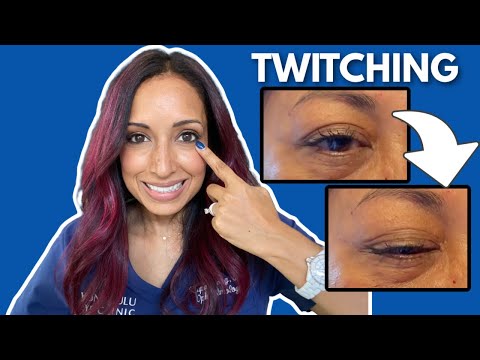
Eye twitching, or myokymia, can feel like a puzzling mystery. Have you ever been in a meeting or watching a movie when, suddenly, your eyelid starts to flutter? It’s an intriguing phenomenon that catches many people off guard. Although it’s often harmless, understanding the reasons behind eye twitching can help ease any worries and encourage you to take better care of your eyes and overall well-being.
Many factors contribute to this little twitchy dance. Stress, fatigue, caffeine intake, and even dry eyes can lead to those pesky spasms. Think of your eye as a musical instrument that sometimes gets out of tune due to various stresses around it. The good news? In most cases, eye twitching is temporary and resolves on its own.
However, it’s essential to pay attention. Although harmless most of the time, chronic eye twitching could signal underlying issues like nutritional deficiencies or neurological conditions. If you notice frequent episodes lasting more than a week or accompanied by other symptoms like vision changes or swelling in the eyelids, it’s wise to seek advice from health professionals.
Always remember: The internet is full of information—but not all of it is accurate. Make sure to consult multiple sources and speak with different specialists about any health concerns you have. Informed decisions are the best way to navigate your health journey safely!
The information provided in this article is intended solely for general informational and educational purposes. It does not constitute medical advice, diagnosis or professional treatment, and should not be considered a substitute for consultation with a qualified doctor or other licensed healthcare professional. Any health-related decisions should be made in consultation with accredited medical professionals.
While efforts have been made to ensure the information is accurate and up to date, no guarantees are given—either express or implied—regarding its accuracy, completeness, currency or suitability. Use of this information is at your own discretion.
It is strongly recommended to consult official sources such as the NHS (National Health Service) or other recognised medical institutions before acting on any information contained on this website or article. Under no circumstances should professional medical advice be ignored or delayed due to content read here.
This content is of a general and informational nature only. It is not intended to replace individualised guidance from a healthcare professional or to establish any doctor-patient relationship. The publication of this information does not imply any professional responsibility, guarantee or obligation on the part of the author or this site.
Unraveling the Secrets of Those Unexpected Eye Twitches
Eye twitches, or myokymia, are those little flickers that can catch you off guard. They often happen when you least expect them—maybe during a big meeting or while trying to relax at home.
Most of the time, these twitches are harmless. Think of them like a notification on your phone. Something’s triggered it, but it’s not always urgent.
There are several reasons why your eye might twitch. Here are some common culprits:
These factors often combine to create a twitching episode. It’s like adding too many ingredients into a recipe—sometimes things just don’t mix well.
Usually, eye twitches go away on their own within a few days. It’s like they show up uninvited and decide to leave after a short visit.
However, if the twitch persists or if you experience other unusual symptoms like drooping eyelids or changes in vision, it might signal something more serious. It’s always prudent to seek advice if worries arise.
Prevention is often about making small lifestyle adjustments:
Understanding the triggers behind eye twitches helps demystify this common annoyance. Stay mindful of what your body is telling you; it’s all part of maintaining overall health!
Unlocking the Hidden Messages Behind Your Eye’s Mysterious Dance
Eye twitching, also known as myokymia, can be a perplexing experience. You may have felt that annoying flutter in your eyelid at some point. It seems to come out of nowhere and often leaves you wondering why.
In most cases, eye twitching is harmless. It’s like your eye’s little way of telling you something isn’t quite right. Think of it as a friendly nudge from your body, reminding you to slow down a bit.
Stress is one common culprit behind this phenomenon. When you’re feeling overwhelmed, your body may react with tension that manifests in those tiny muscles around your eyes. Rest can be very helpful here. Taking a break could lessen the twitching.
Another factor to consider is fatigue. Lack of sleep can lead to eye twitching too. Imagine driving a car without enough fuel—you wouldn’t expect it to run smoothly! Prioritizing rest is just as important for your body and mind.
Caffeine intake might also play a role in those dancing eyelids. Too much coffee or energy drinks can overstimulate the nervous system, leading to involuntary movements like twitching. If you’re drinking several cups daily, consider scaling back.
Also, keep in mind that dehydration can contribute to muscle spasms throughout the body, including the eyes. Drinking enough water daily keeps everything functioning better—like oil in an engine.
Sometimes allergies or eye strain from screens can cause discomfort that leads to twitching too. If you’ve been staring at screens for hours without breaks, that’s like running a marathon without training!
In rare cases, persistent or severe eye twitching could indicate an underlying condition needing attention. This isn’t meant to alarm you but instead encourage caution if the issue unexpectedly worsens.
Here are some simple tips to manage occasional twitches:
Understanding what triggers your eye twitch is key for management and peace of mind. Pay attention to other symptoms too; some might provide clues about what’s going on with your health overall.
It’s vital not to jump straight into worrying thoughts but rather explore possible lifestyle tweaks first before seeking further help if needed.
Being aware of these factors empowers you on your journey toward better health and wellbeing!
Unraveling the Mysteries Behind Those Uncontrollable Blinks
Eye twitching, or myokymia, is a common and usually harmless condition. It’s that pesky flutter under your eyelid that can come out of nowhere. While it may feel alarming, understanding what’s behind it can help calm your nerves.
Our eyes are surrounded by tiny muscles. When these muscles spasm, you experience twitching. This can happen for a variety of reasons.
Common triggers include:
Most eye twitches go away on their own and are not serious. However, if they persist or worsen, it’s good to keep an eye on them—pun intended!
Sometimes more significant conditions can cause eyelid twitching too. These might include dry eyes or allergies. In rare cases, it could signal neurological disorders. But don’t jump to conclusions; most twitches are benign.
Taking care of yourself will often reduce the frequency of eye twitching. Here are some tips:
Simple strategies include:
If you notice changes in your vision or if the twitching spreads beyond your eyelid, seeking professional insight is wise.
Stay informed and listen to what your body is telling you! Understanding the “why” behind those uncontrollable blinks might just make them a little less bothersome in daily life.
Eye twitching, also known as myokymia, is a common and often puzzling phenomenon. Many people experience this fleeting irritation at some point in their lives, but understanding its causes can empower individuals to address it effectively.
Typically, eye twitching involves involuntary contractions of the eyelid muscles. While this is mostly harmless, it can be annoying and distracting. Stress is a primary trigger; when we’re overwhelmed, our body responds in various ways—twitching being one.
Another factor is fatigue. Lack of sleep deprives our bodies of rest, leading to muscle spasms. Similarly, excessive caffeine or alcohol can overstimulate the nervous system and provoke twitches.
Dry eyes are also culprits for many individuals. If you spend long hours staring at screens or don’t blink enough, your eyes may become irritated and start to twitch.
Most importantly, while occasional eye twitching usually isn’t serious, persistent symptoms should not be ignored. They could signify underlying conditions like neurological disorders or vitamin deficiencies.
To manage twitching effectively:
In conclusion, while eye twitching may seem mysterious at times, understanding its causes can guide preventive measures. It’s essential to listen to your body and seek advice if concerned about persistent symptoms. By staying informed on these common issues, we empower ourselves to make healthier choices daily.