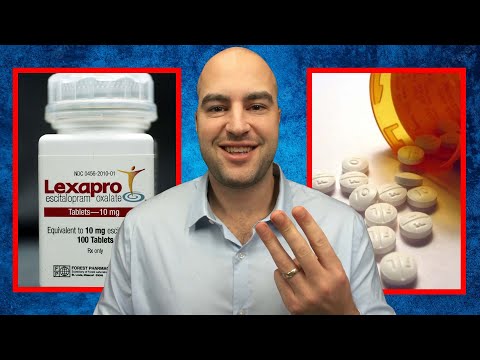
Escitalopram oxalate is a medication that often comes up when discussing mental health. It belongs to a class of drugs known as selective serotonin reuptake inhibitors (SSRIs). Imagine your brain as a bustling city, where serotonin is like a friendly traffic officer guiding happy thoughts and feelings through the roads. Sometimes, these pathways can get congested, leading to feelings of anxiety or depression. Escitalopram helps clear those traffic jams, allowing joy and positivity to flow more freely.
But while this medication can bring substantial benefits for many people, it’s essential to understand that not everyone experiences the same effects. Just like every city has its unique challenges and perks, individuals react differently based on their personal health history and circumstances.
When considering escitalopram, it’s crucial to be aware of potential side effects. These can range from mild issues like nausea or fatigue to more serious reactions in some cases. As with any treatment plan, informed decisions are key.
Important Warning: It’s vital to arm yourself with knowledge about escitalopram by consulting multiple specialists and reliable sources of information. Each person’s journey through mental health treatment is different, so take the time to explore various perspectives before making any decisions regarding your care. Your well-being deserves thoughtful consideration!
The information provided in this article is intended solely for general informational and educational purposes. It does not constitute medical advice, diagnosis or professional treatment, and should not be considered a substitute for consultation with a qualified doctor or other licensed healthcare professional. Any health-related decisions should be made in consultation with accredited medical professionals.
While efforts have been made to ensure the information is accurate and up to date, no guarantees are given—either express or implied—regarding its accuracy, completeness, currency or suitability. Use of this information is at your own discretion.
It is strongly recommended to consult official sources such as the NHS (National Health Service) or other recognised medical institutions before acting on any information contained on this website or article. Under no circumstances should professional medical advice be ignored or delayed due to content read here.
This content is of a general and informational nature only. It is not intended to replace individualised guidance from a healthcare professional or to establish any doctor-patient relationship. The publication of this information does not imply any professional responsibility, guarantee or obligation on the part of the author or this site.
Unlocking the Potential of Escitalopram Oxalate for Mental Wellness and Balance
Escitalopram oxalate is a medication often used to help with mental wellness. It’s primarily prescribed for depression and anxiety disorders. Understanding how it works can help you make informed decisions about your health.
What is Escitalopram Oxalate?
Escitalopram oxalate is a type of antidepressant known as an SSRI, or selective serotonin reuptake inhibitor. Think of serotonin like a mood lifter in your brain. SSRIs work by increasing the availability of serotonin, which may help improve mood and reduce anxiety.
Benefits
Many people find that after starting treatment, they feel more like themselves over time. However, it can take several weeks to notice changes.
Side Effects
Like any medication, escitalopram can have side effects. Not everyone experiences these, but common ones include:
It’s important to talk about any side effects you notice with a healthcare provider. They can guide you through adjustments if necessary.
Misperceptions
A common myth is that taking medication means you are “broken” or weak. This isn’t true. Just like someone might take medicine for diabetes or a heart condition, mental health medications serve an important purpose too.
Your Role in Treatment
While escitalopram can be helpful, remember that it’s one part of a bigger picture for mental wellness. Therapy, lifestyle changes such as exercise and diet, and having support from friends and family are equally important.
Every individual’s experience with medication varies widely. Keeping an open dialogue with your healthcare provider helps tailor the approach just for you.
In conclusion, escitalopram oxalate has potential benefits for those dealing with depression and anxiety by balancing serotonin levels in the brain. Just stay informed about what to expect and maintain communication regarding your treatment journey!
Exploring the Effects of Escitalopram Beyond Depression
Escitalopram is a medication often used to treat depression and anxiety. However, its effects can extend beyond these conditions. Many people are curious about how it may help with other issues.
One area where escitalopram shows promise is in managing anxiety disorders. This includes generalized anxiety disorder (GAD) and social anxiety disorder. It can help reduce excessive worry and fear, allowing individuals to function better in daily life.
Obsessive-compulsive disorder (OCD) is another condition where escitalopram may be effective. By affecting serotonin levels, it can help lessen the urge to perform compulsive behaviors or obsessions that are often distressing.
Furthermore, some research suggests that escitalopram might assist with post-traumatic stress disorder (PTSD)chronic pain management. Some studies indicate that it may reduce pain perception, which could benefit those suffering from fibromyalgia or other chronic pain conditions.
However, it’s essential to remember that all medications come with possible side effects. Common ones include nausea, fatigue, or changes in sleep patterns. Everyone reacts differently to medications, so what works for one may not work for another.
If you’re considering escitalopram for uses beyond treating depression or anxiety, it’s crucial to discuss this with a healthcare provider. They can provide insights based on individual circumstances and medical history.
In summary:
Understanding the broader effects of escitalopram can empower individuals to make informed decisions about their treatment options while also recognizing the importance of professional guidance.
Uncovering the Unexpected: The Top Side Effect of Escitalopram You Should Know About
Escitalopram is a popular medication primarily used to treat depression and anxiety disorders. It’s part of a class of drugs called selective serotonin reuptake inhibitors (SSRIs).
While many people find relief from their symptoms, escitalopram can also have side effects. One side effect that often surprises people is weight gain.
Weight gain may occur for various reasons. First, some individuals experience increased appetite when taking escitalopram. When you feel better emotionally, you might find yourself reaching for snacks or bigger portions simply because food brings happiness.
Secondly, the body’s metabolism might change on this medication. Think of your metabolism like a fire that burns calories. If the flame dims due to the medication, fewer calories are burned throughout the day.
However, it’s crucial to understand that not everyone will experience weight gain or any side effects at all. Each person’s reaction to medication varies significantly.
Also, lifestyle factors play a big role in weight management. Eating habits and physical activity are important pieces of the puzzle too.
If you’re concerned about weight gain or any other side effects while taking escitalopram, it’s essential to talk with a healthcare provider. Open discussions can lead to personalized strategies that address both mental health and physical well-being.
Remember, managing mental health is complex and individual. It takes time to find what works best for each person and their unique situation. Understanding potential side effects like weight gain is an important part of that journey!
Escitalopram oxalate is a medication commonly prescribed for depression and anxiety. It belongs to a class of drugs called selective serotonin reuptake inhibitors (SSRIs). Understanding its benefits and side effects is crucial for making informed health decisions.
Benefits: Escitalopram effectively increases levels of serotonin, a neurotransmitter that helps regulate mood. Many people experience significant improvements in their symptoms, leading to better quality of life. It can help with feelings of sadness, worry, and even physical symptoms related to anxiety.
Side Effects: Like all medications, it can cause side effects. Common ones include nausea, fatigue, and insomnia. Some may experience changes in weight or sexual dysfunction. It’s vital to discuss these potential effects with a healthcare professional.
It’s important to remember that while escitalopram has helped many individuals, the response can vary from person to person. Regular communication with healthcare providers ensures any concerns about effectiveness or side effects are addressed promptly.
In summary, escitalopram oxalate can be an effective tool for managing depression and anxiety but requires careful consideration and ongoing dialogue between patients and their healthcare teams.