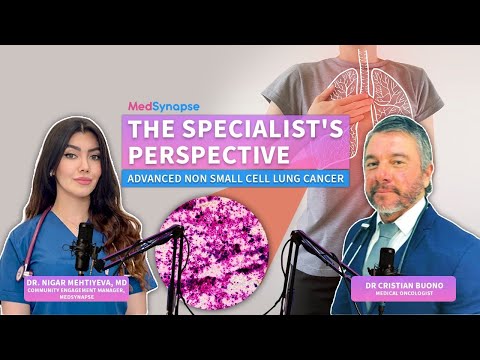
The information provided in this article is intended solely for general informational and educational purposes. It does not constitute medical advice, diagnosis or professional treatment, and should not be considered a substitute for consultation with a qualified doctor or other licensed healthcare professional. Any health-related decisions should be made in consultation with accredited medical professionals.
While efforts have been made to ensure the information is accurate and up to date, no guarantees are given—either express or implied—regarding its accuracy, completeness, currency or suitability. Use of this information is at your own discretion.
It is strongly recommended to consult official sources such as the NHS (National Health Service) or other recognised medical institutions before acting on any information contained on this website or article. Under no circumstances should professional medical advice be ignored or delayed due to content read here.
This content is of a general and informational nature only. It is not intended to replace individualised guidance from a healthcare professional or to establish any doctor-patient relationship. The publication of this information does not imply any professional responsibility, guarantee or obligation on the part of the author or this site.
Have you or someone you care about recently heard the words “lung cancer”? That phrase can feel like a huge weight on your chest. Honestly, it’s overwhelming to think about all the complexities surrounding it. Did you know that non-small-cell lung cancer (NSCLC) is the most common type of lung cancer? It accounts for almost 85% of all cases.
This article dives into essential insights on NSCLC care. We’ll discuss diagnosis, treatment options, and how to manage symptoms. Understanding these aspects can empower you and your loved ones in facing this challenge.
The thing is, every journey with cancer is unique. With the right information and support, navigating through this can be less daunting. You might wonder why this matters to you? Well, informed decisions lead to better outcomes.
Keep in mind that while we aim to provide valuable insights here, this content doesn’t replace medical advice. Health decisions should always involve a conversation with a healthcare professional—your partner in this journey.
Essential Insights for Managing Non-Small Cell Lung Cancer
Understanding Non-Small Cell Lung Cancer
Non-small cell lung cancer, or NSCLC, is one of the most common types of lung cancer. It makes up about 85% of all lung cancer cases. Unlike small cell lung cancer, which grows quickly and spreads faster, NSCLC tends to be slower in its progression. Still, it’s crucial to catch it early for better outcomes.
Symptoms to Watch For
Common symptoms of NSCLC include a persistent cough, chest pain, and difficulty breathing. Sometimes, you might also notice unexplained weight loss or coughing up blood. If you see these signs, it’s wise to consult a healthcare provider.
Diagnosis Methods
The diagnosis typically starts with imaging tests like X-rays or CT scans. These help visualize any abnormal growths in the lungs. If something suspicious appears, doctors often perform a biopsy to analyze the tissue closely.
Treatment Options
Treatment usually depends on the stage and type of cancer as well as your overall health. The main approaches include:
- Surgery: If caught early, surgeons might remove part or all of the affected lung.
- Chemotherapy: This uses drugs to kill fast-growing cells but can affect healthy ones too.
- Radiation therapy: High-energy rays target tumors directly.
- Targeted therapy: Drugs that specifically attack cancer cells with certain mutations.
- Immunotherapy:Noot unlike vaccines, this helps your immune system recognize and fight off cancer cells.
The Importance of Staging
The stage refers to how far the cancer has spread in the body. Generally classified from Stage I (localized) to Stage IV (advanced), staging helps determine treatment options and prognosis. Sometimes it’s helpful thinking about it like levels in a video game; the higher level you reach means more challenges to overcome!
Palliative Care for Quality of Life
Palliative care focuses on relieving symptoms and improving quality of life rather than curing the disease itself. It’s not just for end-of-life situations but can be integrated at any stage of treatment.
Navigating Emotional Impact
A diagnosis can really shake someone up emotionally. It’s okay! Many people experience fear and anxiety when faced with NSCLC or any kind of cancer. Seek support from family, friends or support groups; sometimes talking helps lighten that mental load.
Lifestyle Changes That May Help
You know what? Simple lifestyle changes can make a difference too! Eating a balanced diet rich in fruits and vegetables along with regular physical activity may boost your overall health and support your treatment plan effectively.
The Role of Follow-Up Care
No matter what treatment path you choose, regular follow-up appointments are essential. These visits help monitor recovery progress and catch any possible recurrence early on—like keeping an eye on garden weeds before they take over!
A Collaborative Approach is Key
Your healthcare team usually includes various professionals such as oncologists (cancer specialists), nurses, nutritionistsand counselors among others.. They’ll work together to create a personalized plan suited just for you based on your specific situation!
Navigating non-small cell lung cancer involves many layers—from understanding symptoms to managing emotional wellbeing—all tailored around individual needs rather than one-size-fits-all solutions
.
Essential Insights for Navigating Lung Cancer Treatment Options
Understanding Non-Small Cell Lung Cancer
Non-small cell lung cancer (NSCLC) is the most common type of lung cancer. It makes up about 80-85% of all cases. The term “non-small cell” refers to how the cancer cells look under a microscope. This type includes several subtypes, such as adenocarcinoma and squamous cell carcinoma.
Diagnosis: The First Step
Before diving into treatment options, cancer has to be properly diagnosed. Doctors often use imaging tests like CT scans or chest X-rays to spot abnormal growths. A biopsy is essential to confirm whether it’s cancerous and identify its specific type.
Treatment Options Overview
Treating NSCLC usually involves a combination of methods. These can include surgery, radiation therapy, chemotherapy, targeted therapy, and immunotherapy. Each option has different goals and side effects.
Surgery
If the NSCLC is caught early enough, surgery might be an option. The goal here is to remove the tumor along with some surrounding tissue. If it’s more advanced, surgery may not be possible because cancer could have spread.
Chemotherapy
Chemotherapy uses drugs to kill fast-growing cells like cancer cells. Sometimes it’s used before surgery to shrink the tumor or after to eliminate remaining cells. Side effects vary but can include nausea and fatigue.
Radiation Therapy
This method uses high-energy rays to target and kill cancer cells. It can be effective for patients who aren’t candidates for surgery or when tumors are in difficult-to-reach places.
Targeted Therapy
This kind of treatment hones in on specific characteristics of the cancer cells or their environment. For instance, some medications block certain proteins that help tumors grow.
Immunotherapy
Immunotherapy works by boosting your immune system so it can fight off the cancer better on its own! It uses substances made by the body or in a lab that help invigorate immune functions.
Factors Influencing Treatment Decisions
- Stage: How advanced is the cancer?
- Your Health: Are there other medical conditions?
- Tumor Genetics: Are there specific mutations?
- Your Preferences: What are your personal goals for treatment?
The Role of Clinical Trials
If standard treatments aren’t effective or available, consider clinical trials as an option. These studies test new therapies that could potentially offer more benefits than existing treatments.
A Collaborative Approach Matters
Navigating through treatment options can feel overwhelming sometimes—having a team of healthcare providers helps immensely! They provide guidance tailored specifically for you based on your unique situation.
Pain Management and Supportive Care
- Pain Management:. Keeping you comfortable during treatment is really important!
- Nutritional Support:. Eating well helps your body cope with treatments better!
- Mental Health Resources:. Don’t underestimate how support groups can provide emotional relief!
- Surgery: This may involve removing part or all of the lung affected by cancer. It’s often an option when caught early.
- Chemotherapy: Think of this as using strong medicine to kill fast-growing cells. It can be given before surgery to shrink tumors or after surgery to kill any remaining cells.
- Radiation Therapy: This uses high-energy rays, sort of like X-rays, aimed at the tumor site to shrink or destroy it.
- Targeted Therapy: This focuses on specific genetic mutations within the cancer cells. If your NSCLC has certain changes, this might be an option for you.
- Immunotherapy: This approach boosts your immune system so it can better fight off the cancer cells. It’s like giving your body a superhero cape!
The Importance of Communication
Dont hesitate to ask questions at any point in your treatment journey! Clear communication with your healthcare team ensures that you understand all available options along with their pros and cons.
Misinformation Awareness
”
“With so much information out there—fact-check everything! Not every article or video online provides accurate insights into lung cancer treatments.”
”
الصغب مثل “التجارب السريرية” تشعر وكأنها لعالم بعيد ولكنها قد تحمل الأمل لمن لا تفيدهم العلاجات التقليدية، لذلك ابقَ متفائلاً، لكن واعيًا!
Your Essential Resource for Navigating Lung Cancer Treatment Options
Lung cancer can be overwheliming, especially when it comes to choosing treatment. Understanding your options is key. Here’s a look at non-small-cell lung cancer (NSCLC), the most common type of lung cancer, and how it’s typically treated.
What is NSCLC?
Non-small-cell lung cancer includes several subtypes, which behave a bit differently. Think of it like choosing between different types of apples—each has its unique flavor and texture. The main types include adenocarcinoma, squamous cell carcinoma, and large cell carcinoma.
Diagnosis Matters
Before treatment starts, doctors will perform tests to stage the cancer. Staging means figuring out how far it’s spread. This is important for determining the best course of action.
Treatment Types
The Role of Clinical Trials
You might come across clinical trials while exploring treatment options. These are research studies that test new treatments and might offer access to cutting-edge therapies not widely available yet. Participating isn’t for everyone but can be worth considering!
Support Systems Are Key
Navigating lung cancer treatment can feel isolating; however you don’t have to go through this alone! Support groups or counseling can provide comfort and practical tips from others who understand what you’re facing.
Your Voice Matters
Your preferences should play into treatment decisions too! Open discussions with your healthcare team help tailor a plan just right for you based on medical advice and personal values.
The journey with non-small-cell lung cancer isn’t straightforward but understanding your options can empower you in making informed choices about care.” Always ask questions if you’re unsure; knowledge truly is a powerful tool in this process!
Essential Insights on Non-Small-Cell Lung Cancer Care
Non-small-cell lung cancer (NSCLC) is the most common type of lung cancer, and managing it can be quite a journey for patients and families alike. The complexity lies in its various subtypes, which respond differently to treatments. It’s crucial, therefore, to understand these differences.
The first point worth highlighting is the importance of early detection. NSCLC often doesn’t show symptoms until it’s quite advanced. This is why routine screenings—especially for high-risk groups—are so important. Catching it early can significantly alter treatment outcomes.
A big part of NSCLC care involves personalized treatment plans. This means tailoring therapies based on individual tumor characteristics. Targeted therapies and immunotherapies are prime examples of this approach. They focus not just on killing cancer cells but also on empowering the body’s immune system to fight back.
Communication plays a vital role too. Patients should feel comfortable discussing their concerns and preferences with their healthcare team. Sometimes, treatment options can feel overwhelming; having open discussions can bring clarity and comfort during uncertain times.
Support systems are equally essential in the care process. Families often need resources to help them cope with emotional and practical challenges faced by their loved ones diagnosed with NSCLC.
Lastly, research continues to evolve our understanding of this disease including new potential treatments on the horizon that hold promise for better patient outcomes in the future.