The information provided in this article is intended solely for general informational and educational purposes. It does not constitute medical advice, diagnosis or professional treatment, and should not be considered a substitute for consultation with a qualified doctor or other licensed healthcare professional. Any health-related decisions should be made in consultation with accredited medical professionals.
While efforts have been made to ensure the information is accurate and up to date, no guarantees are given—either express or implied—regarding its accuracy, completeness, currency or suitability. Use of this information is at your own discretion.
It is strongly recommended to consult official sources such as the NHS (National Health Service) or other recognised medical institutions before acting on any information contained on this website or article. Under no circumstances should professional medical advice be ignored or delayed due to content read here.
This content is of a general and informational nature only. It is not intended to replace individualised guidance from a healthcare professional or to establish any doctor-patient relationship. The publication of this information does not imply any professional responsibility, guarantee or obligation on the part of the author or this site.
Have you ever thought about how much your lungs do for you? They work constantly, helping you breathe, laugh, and even yell. Yet, we often overlook their health until something goes wrong.
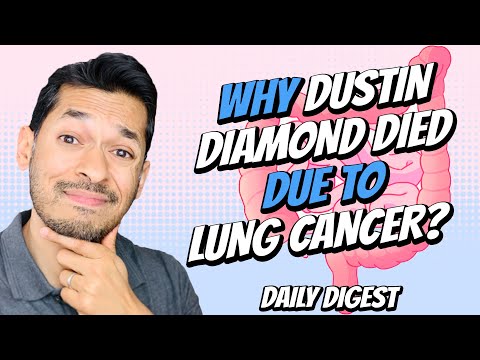
Lung cancer is one of the deadliest forms of cancer. It sneaks up on people and can be particularly unforgiving. The recent passing of Dustin Diamond reminded many of us just how real and serious this disease is. You may remember him from the iconic show “Saved by the Bell,” but his story isn’t just about fame; it’s also a painful reminder about lung health.
This article takes a closer look at lung cancer awareness through the lens of Diamond’s experience. We dive into the symptoms, risk factors, and prevention strategies—all key points to understand if you care about your lungs and want to protect yourself or someone you love.
Your health decisions should never be based solely on what you read here. Consulting a healthcare professional is always crucial for tailored advice and support in any health journey.
Unraveling the Unexpected Journey of a Beloved Star
Understanding Lung Cancer Through Dustin Diamond’s Story
Lung cancer is more than just a clinical term; it’s a serious disease that affects millions of lives. When someone like Dustin Diamond passes away from it, it takes the conversation to a whole new level. Remember him as Screech from *Saved by the Bell*? So many people grew up with him on TV. His journey reminds us that lung cancer doesn’t discriminate.
What is Lung Cancer?
Lung cancer happens when cells in the lungs start to grow uncontrollably. They can form tumors, which are lumps of tissue that can disrupt normal lung function. There are two main types: small cell lung cancer and non-small cell lung cancer. Small cell is usually more aggressive, but non-small cell is more common.
The Role of Smoking
Smoking is one of the biggest risk factors for lung cancer, however, not everyone with it smokes. It’s like how some people who eat a lot of junk food never gain weight while others struggle with even small amounts—everyone’s body reacts differently.
Other Risk Factors
Besides smoking, other things can increase risk too. These include exposure to radon gas—which you can’t see or smell—and air pollution. Even secondhand smoke plays a big role for those around smokers.
A Journey of Symptoms
So what should you look out for? Early signs might be subtle and could include persistent cough or even shortness of breath after minor activities—things you might brush off initially. But if these symptoms linger or worsen, it’s important to get checked out.
The Importance of Screenings
Screening tests can catch lung cancer early when treatment options are better. For instance, low-dose computed tomography (LDCT) scans are sometimes recommended for high-risk individuals—for instance those who have smoked heavily over many years.
Dustin Diamond’s Legacy
Dustin’s battle with lung cancer was swift and shocking to fans everywhere. His story shines a light on the importance of awareness and understanding this serious disease as well as advocating for screenings among at-risk populations.
Coping with Loss
Losing someone like Dustin reminds us how precious life is and encourages discussions about health among friends and family—sometimes we need that nudge to talk about serious issues like smoking or getting checked out regularly.
Final Thoughts on Awareness
This situation highlights the importance of being informed about health risks and actively seeking help when needed. Let’s honor those we’ve lost by keeping these conversations alive—encouraging knowledge may just save lives down the line.
A Final Reflection on Life and Legacy
Lung cancer is a serious disease that affects many people around the world. The loss of someone like Dustin Diamond brings this issue to the forefront. It reminds us that life is precious and fragile. You know, sometimes we take our health for granted until it’s too late.
When celebrities pass away from diseases, it often sparks conversations about awareness and prevention. Dustin Diamond, known for his role in “Saved by the Bell,” was diagnosed with stage four lung cancer, which shocked many fans. It can feel unreal when someone seemingly vibrant struggles with such a serious condition.
Understanding Lung Cancer
Lung cancer primarily develops from smoking, though non-smokers can get it too. It’s kind of like how a car can have problems from age or misuse—both are factors that contribute to its functioning. Early detection is key since symptoms often don’t appear until later stages.
Coughing, weight loss, and difficulty breathing are some signs that might indicate lung cancer. But these symptoms can also be caused by other conditions, making it easy to overlook them. This can be really frustrating because no one wants to jump to conclusions without proper evidence.
The Impact of Awareness
Raising awareness about lung cancer is so important. Education about risks—like smoking or exposure to pollution—can be lifesaving. Imagine if everyone knew the warning signs; early diagnosis might become more common.
- Quitting smoking significantly lowers risk.
- Your environment plays a role; secondhand smoke is harmful too.
- Regular check-ups are crucial for early detection.
The thing is, every small step counts in combating this disease. When we remember individuals like Diamond, let’s not just mourn their passing but honor their legacy by pushing for better understanding and prevention methods surrounding lung cancer.
Legacy Through Action
Dustin Diamond’s story serves as a wake-up call for many people to take charge of their health and those around them. It urges us not only to reflect but also act—for ourselves and others who may be at risk.
You may ask: what difference does talking about this make? Well, just raising awareness can lead to change over time. Conversations about health lead to choices that impact lives—not just today but generations down the road!
In remembering those we’ve lost like Diamond, we create a culture of care—a community looking out for each other’s well-being—and that’s invaluable!
Unraveling the Mystery Behind Screech’s Final Battle
Understanding Lung Cancer: A Real-Life Example
Lung cancer is a condition that affects many people. It occurs when abnormal cells in the lungs grow out of control. You might know someone or have heard stories about celebrities battling this disease, like Dustin Diamond, who played Screech on “Saved by the Bell”. His journey can shed light on lung cancer awareness.
What Happens in Lung Cancer?
So, here’s the thing: our lungs are made up of millions of tiny air sacs called alveoli. When lung cancer develops, it can start in these air sacs or other parts of the lungs. Sometimes, these abnormal cells form tumors that can spread to other body parts.
Risk Factors to Consider
- Tobacco Use: Smoking is the leading cause of lung cancer. It’s like putting your lungs through a tough workout, but not in a good way.
- Environmental Exposures: Things like secondhand smoke or certain chemicals can also increase risk.
- Family History: If someone in your family has had it, you might be at higher risk too.
The Importance of Early Detection
Catching lung cancer early can really change treatment outcomes. If you notice symptoms like a persistent cough or unexplained weight loss, it’s best to see a doctor right away. Think about it like catching a weed in your garden before it takes over; early intervention makes all the differnce.
Dustin Diamond’s Story and Its Impact
Dustin’s passing was tragic and highlighted how swiftly things could change with this disease. He lived with serious complications that stemmed from his illness. His battle reminds us why awareness is crucial; sometimes we take our health for granted until it’s too late.
A Call for Awareness
Lung cancer isn’t just a statistic; it affects real people with loved ones and dreams. By sharing stories like Dustin’s, we encourage conversations about screenings and healthier lifestyles—like quitting smoking or avoiding exposure to harmful substances.
Remembering his fight pushes us to advocate for better research and support systems for those affected by lung cancer.
It’s essential to stay informed and proactive about our health choices.
Lung cancer is often a tough topic to approach, especially when it comes to public figures. Dustin Diamond, known for his role in “Saved by the Bell,” recently passed away from this disease, opening up important conversations about lung cancer awareness.
His story serves as a reminder of the unexpected nature of life and illness. Many might think lung cancer only affects smokers, but that’s not entirely true. Non-smokers can also be diagnosed. Factors like genetics and environmental exposures play significant roles.
It’s crucial to emphasize early detection. Screening options like low-dose computed tomography (CT) scans are available for high-risk individuals. Early detection can significantly improve survival rates, so knowing your risk factors is key.
Education plays a vital role in breaking down misconceptions about lung cancer. There’s often stigma surrounding smoking and lung cancer that can prevent people from seeking help or discussing their symptoms openly.
In summary, Diamond’s passing sheds light on the need for ongoing awareness and education surrounding lung cancer. Every story shared contributes to a bigger picture—one where more people understand the risks involved and know how to advocate for their health.