The information provided in this article is intended solely for general informational and educational purposes. It does not constitute medical advice, diagnosis or professional treatment, and should not be considered a substitute for consultation with a qualified doctor or other licensed healthcare professional. Any health-related decisions should be made in consultation with accredited medical professionals.
While efforts have been made to ensure the information is accurate and up to date, no guarantees are given—either express or implied—regarding its accuracy, completeness, currency or suitability. Use of this information is at your own discretion.
It is strongly recommended to consult official sources such as the NHS (National Health Service) or other recognised medical institutions before acting on any information contained on this website or article. Under no circumstances should professional medical advice be ignored or delayed due to content read here.
This content is of a general and informational nature only. It is not intended to replace individualised guidance from a healthcare professional or to establish any doctor-patient relationship. The publication of this information does not imply any professional responsibility, guarantee or obligation on the part of the author or this site.
Have you ever thought about where your protein comes from? It’s a big deal, especially if you’re trying to eat healthier. Many people don’t realize that there’s a plant-based option that packs a punch—soy protein isolate. Seriously, it can be a game-changer for your health.
Soy protein isolate isn’t just another trendy health food; it has real benefits backed by research. It’s one of the most concentrated forms of protein available, offering essential amino acids without the saturated fats typically found in animal proteins. Whether you’re vegan, vegetarian, or just looking to balance your diet, soy protein might be worth considering.
This article dives into why soy protein isolate matters and how it can support better health. We’ll explore its benefits and how to incorporate it into your meals without any fuss. Just remember: this content doesn’t replace medical advice. Always consult with a healthcare professional before making significant changes to your diet.
Your health journey should be informed and supported by experts, not just online articles—though hopefully this one helps provide some clarity!
Uncovering the Hidden Risks Behind a Popular Plant-Based Protein
Understanding Soy Protein Isolate
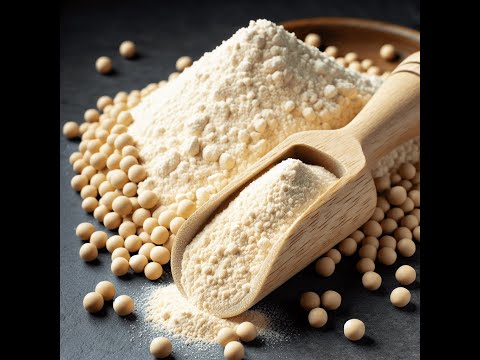
Soy protein isolate is a popular plant-based protein sourced from soybeans. It’s often found in various food products, especially for vegans and vegetarians. This protein is highly refined, meaning it has a lot of protein with little fat or carbohydrates. But, are there hidden risks? Let’s break it down.
The Process of Making Soy Protein Isolate
To make soy protein isolate, soybeans are dehulled and defatted. You know, the process removes most of the fats and carbs, leaving mainly protein behind. While this sounds beneficial, sometimes processing can affect the nutritional content.
Potential Allergies
Some people are allergic to soy. Allergies can range from mild to severe and include symptoms like rashes or digestive issues. If you’re trying soy products for the first time, it’s wise to start slow.
Hormonal Effects
Soy contains compounds called phytoestrogens, which mimic estrogen in the body. For some individuals, this might interfere with hormone levels or health conditions related to hormones. It’s always a good idea to listen to your body and consult someone if you have concerns.
Digestive Issues
For some folks, consuming too much soy can lead to digestive discomfort like bloating or gas. This often happens when your gut isn’t used to high-fiber foods typically present in plant-based proteins. Balancing your intake helps mitigate these effects.
Nutrient Absorption
Some studies suggest that soy can block absorption of certain nutrients like zinc or iron when consumed in large amounts due to its phytates content. Phytates are naturally occurring compounds found in many plants that can bind minerals.
Pesticide Exposure
If you’re not buying organic soy products, there’s a chance they have been exposed to pesticides during farming. These chemicals might linger on the crops even after processing. Choosing organic options can help reduce this risk.
The Bottom Line
Soy protein isolate offers many benefits but also comes with potential risks—especially if used as a staple food source every day without variety. It’s important to pay attention your body’s reactions and think about balance; incorporating different proteins into your diet is key! Always be curious about what you’re eating and consider discussing dietary changes with someone knowledgeable about health and nutrition.
Unlocking the Power of Plant-Based Protein for Your Health and Wellness
Understanding Plant-Based Protein
Plant-based protein has become a popular topic, and for good reason. Many people are turning to plants for their protein needs, and soy is one of the most prominent sources. You know, it’s rich in essential amino acids that our bodies need to function properly.
What is Soy Protein Isolate?
Soy protein isolate is a concentrated form of soy protein. It’s made by removing excess fats and carbohydrates from whole soybeans. The result? A product that’s about 90% protein! This makes it an excellent choice for those looking to boost their intake without additional calories.
Benefits of Soy Protein Isolate
- Muscle Support: Just like animal proteins, soy can help build and repair muscle tissue. This is crucial, especially if you’re active or trying to maintain muscle mass as you age.
- Heart Health: Research indicates that consuming soy protein may help lower cholesterol levels. Lower cholesterol can lead to better heart health over time.
- Nutrient Powerhouse: Besides being high in protein, soy also contains vitamins and minerals like iron and calcium, which are essential for overall wellbeing.
The Role of Amino Acids
Amino acids are the building blocks of proteins. There are 20 different amino acids; nine of them are essential—meaning we must get them from our diet because our bodies can’t make them on their own. Soy protein provides all nine essential amino acids, making it a complete source of protein.
Dairy Alternatives
If you’re lactose intolerant or just prefer not to consume dairy products, soy milk can be a fantastic alternative. It’s often fortified with calcium and vitamin D too, which plays an important role in bone health.
Misinformation About Soy
A common myth is that soy increases estrogen levels in men or causes hormonal imbalances in women. Most studies suggest moderate consumption is safe for both genders. It’s always wise though to consult with someone if you have specific health concerns regarding your diet.
Culinary Versatility
You can find soy products in many forms: tofu, tempeh, edamame, and even as a meat substitute in veggie burgers! They’re quite versatile—so you can easily incorporate them into various dishes from stir-fries to salads.
Navigating the World of Plant-Based Proteins
Consider listening to your body as you explore plant-based proteins. Some people might experience digestive issues with certain types—soy included—but other folks find it suits them just fine!
If you’re thinking about shifting towards more plant-based options like soy protein isolate or others like pea or rice protein, try starting slow! Experimenting with different recipes can make the transition smoother and fun!
The take-home message? Plant-based proteins—including soy—can be healthy components within your diet when integrated mindfully alongside a variety of other foods!
Weighing the Benefits and Drawbacks for Your Health and Lifestyle
Understanding Soy Protein Isolate
Soy protein isolate is a concentrated form of protein derived from soybeans. It’s almost like having the essence of soy, stripped down to just the protein part. This makes it highly popular among vegetarians and vegans as a protein source.
The Benefits of Soy Protein Isolate
First off, let’s talk about some benefits. For many people, it’s an excellent complete protein. This means it contains all nine essential amino acids the body needs but can’t produce on its own. Think of amino acids as building blocks for your muscles.
- Heart Health: Some research suggests that soy may help lower cholesterol levels.
- Weight Management: Including soy protein in your diet might help with weight control by making you feel fuller for longer.
- Bone Health: There’s evidence pointing to potential benefits for bone density, especially in postmenopausal women.
The Drawbacks to Consider
No food is perfect, right? There are some drawbacks to consider too. Some folks might experience digestive issues when consuming soy products due to its fiber content or other components.
- Allergies: Soy allergies are relatively common, especially in children, so that’s something to keep in mind.
- Additives: Many processed soy products come with added sugars and preservatives that aren’t great for your health.
- Pesticides: If you’re not buying organic soy products, you might be consuming pesticide residues too.
Soy and Hormones
A big question people ask revolves around how soy affects hormones because it contains phytoestrogens—plant compounds similar to estrogen. The concern is mainly about breast cancer risk or reproductive health issues. Studies have shown mixed results; while some suggest potential benefits others show no impact at all!
User Experience Matters
Your own experiences and lifestyle matter significantly! Some people thrive on animal proteins while others feel great on plant-based diets including lots of soy products. It’s important to listen to your body’s signals—like how do you feel after eating something?
A Balanced Approach
The key thing here is balance. Including a variety of proteins in your diet can provide a broader range of nutrients while minimizing risks associated with excessive consumption of any one component. So maybe blend in some legumes or grains along with that tasty tofu stir-fry!
You Make the Choice
If you’re considering adding more soy protein isolate into your life for better health, weigh those pros and cons carefully! Every individual’s nutritional needs are unique, so being mindful about what works best for you is really crucial.
Soy protein isolate is a highly refined form of soy protein, containing about 90% protein. It’s like taking the best parts of soybeans and concentrating them. Sounds great, right?
One key aspect of soy protein isolate is its amino acid profile. Amino acids are the building blocks of proteins, essential for various body functions. Unlike some other plant proteins, soy provides all nine essential amino acids, which makes it a complete protein source. This is important for muscle repair and growth.
Many people turn to soy protein isolate for its potential health benefits. Research suggests it might help lower cholesterol levels and improve heart health. It’s also been studied for its role in managing menopausal symptoms due to phytoestrogens—plant compounds that mimic estrogen in the body.
Additionally, incorporating soy protein can be beneficial for those looking to maintain or lose weight. Its high protein content aids in satiety, making you feel fuller longer. Many athletes use it as a post-workout supplement to aid recovery.
However, moderation is key. Some concerns surround soy’s potential hormonal effects or allergies in certain individuals. It’s always wise to listen to your body and consult with a healthcare provider if unsure.
Ultimately, including soy protein isolate in your diet can contribute positively to health when consumed as part of a balanced diet.