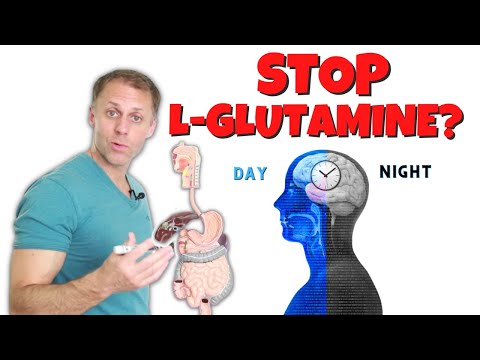
Glutamine is an amino acid, often regarded as one of the body’s building blocks. Think of it as a friendly helper for your cells, particularly during times of stress or recovery. It plays a key role in various bodily functions, including immune support and gut health. As a popular supplement among athletes and those recovering from illness, glutamine sparks curiosity about its benefits.
However, just like any other supplement, glutamine comes with its own set of considerations. While it may offer support for muscle recovery and digestive health, it’s also essential to understand that not everyone needs extra glutamine.
Before diving into supplementation, it’s crucial to weigh both the benefits and risks carefully. Different people have different needs based on their health status, lifestyle, and fitness goals. Therefore, seeking guidance from healthcare providers or nutrition specialists is wise.
Warning: While glutamine can be beneficial for some individuals, misuse or overconsumption can lead to unwanted side effects. It’s important to educate yourself thoroughly through various reliable sources and consult different professionals before considering supplementation. This will help you make informed choices that best suit your personal health journey. Always approach new health strategies with curiosity but also caution!
The information provided in this article is intended solely for general informational and educational purposes. It does not constitute medical advice, diagnosis or professional treatment, and should not be considered a substitute for consultation with a qualified doctor or other licensed healthcare professional. Any health-related decisions should be made in consultation with accredited medical professionals.
While efforts have been made to ensure the information is accurate and up to date, no guarantees are given—either express or implied—regarding its accuracy, completeness, currency or suitability. Use of this information is at your own discretion.
It is strongly recommended to consult official sources such as the NHS (National Health Service) or other recognised medical institutions before acting on any information contained on this website or article. Under no circumstances should professional medical advice be ignored or delayed due to content read here.
This content is of a general and informational nature only. It is not intended to replace individualised guidance from a healthcare professional or to establish any doctor-patient relationship. The publication of this information does not imply any professional responsibility, guarantee or obligation on the part of the author or this site.
Essential Tips for Safe Use of Glutamine Supplements
Glutamine is an amino acid that our body produces naturally. It’s often taken as a supplement, especially by athletes or those recovering from illness. Understanding how to use it safely can help avoid potential issues.
First, let’s look at potential benefits. Glutamine may support gut health and immune function. It can also be helpful in muscle recovery after intense exercise.
However, there are risks, too. Not everyone needs glutamine supplements. For healthy individuals with a balanced diet, the body usually gets enough on its own.
Here are some tips for using glutamine safely:
It’s crucial to remember that supplements should not replace a varied diet rich in nutrients. Whole foods provide many benefits that isolated supplements cannot replicate.
Before making any decisions about supplementation, consider your overall lifestyle and dietary habits. Healthy eating and regular exercise often bring more consistent benefits than depending on any one supplement alone.
In the end, being informed and cautious is key when considering glutamine or any other supplement.
Discover the Hidden Risks of Glutamine for Certain Individuals
Glutamine is an amino acid that your body produces. It plays a role in various bodily functions, like immune support and gut health. Many people take glutamine supplements thinking they can enhance their performance or recovery.
However, not everyone should use glutamine freely. There are **hidden risks** for certain individuals that are important to consider.
1. Kidney Issues
For those with kidney disease, excessive glutamine can cause complications. The kidneys may struggle to filter out extra amino acids, leading to harmful buildup in the body.
2. Liver Disorders
People with liver issues must be cautious too. The liver processes many substances, including glutamine. If it’s not functioning well, there could be adverse effects from supplementation.
3. Seizure Disorders
There’s some evidence suggesting that high levels of glutamine might trigger seizures in susceptible individuals. If you have a history of epilepsy or seizures, consult a healthcare professional first.
4. Certain Medications
Some medications can interact negatively with glutamine supplements. For example, drugs affecting ammonia levels may lead to increased side effects if taken together with glutamine.
5. Immune Response
While glutamine supports the immune system generally, too much can sometimes have the opposite effect for people with autoimmune disorders. It may provoke unwanted immune responses rather than balance them out.
It’s crucial to question the need for supplementation if you’re considering taking it long-term or in high doses. Always think critically about what your body really needs versus what marketing messages suggest.
Before starting any new supplement routine, having an informed discussion with a qualified healthcare provider is essential—especially if you have existing health issues or are taking other medications.
In summary, while glutamine offers some benefits, it also comes with specific risks for particular groups of people. Stay informed and choose wisely!
Exploring the Impact of Glutamine on Kidney Health
Glutamine is an amino acid that plays a key role in many bodily functions. It’s often highlighted for its potential benefits, especially for those dealing with certain health issues. But what about its impact on kidney health?
First, let’s understand what glutamine does. It helps with protein synthesis, supports the immune system, and fuels cells in the intestines. This is like giving your body a little extra energy to keep things running smoothly.
Kidneys play a vital role in filtering blood and removing waste. Maintaining their health is essential for overall well-being. Some research suggests that glutamine might help kidneys by supporting their energy production and reducing inflammation.
However, it’s important to be cautious. Not everyone needs additional glutamine, especially if you have kidney disease. Too much of this amino acid can lead to unwanted effects since damaged kidneys may struggle to process excess substances properly.
Here are some key points to consider about glutamine and kidney health:
Many myths surround dietary supplements like glutamine. Some people think they can replace healthy eating or medication, but that’s not true. A balanced diet rich in whole foods usually provides all the amino acids you need.
In summary, while glutamine has interesting potential impacts on kidney health, more research is needed for clearer guidelines. If you’re considering it as a supplement or have concerns about your kidneys, it’s wise to approach the topic thoughtfully and seek advice tailored to your situation.
Remember that informed choices come from understanding both benefits and risks effectively!
Glutamine is an amino acid, often touted for its potential health benefits, particularly in athletic performance and gut health. Understanding its role requires a balanced view of both advantages and risks.
On the beneficial side, glutamine is known to support muscle recovery after intense exercise. It helps replenish energy stores and can assist in reducing muscle soreness. Some studies suggest it may aid gut lining integrity, essential for digestive health, especially in individuals with conditions like irritable bowel syndrome.
However, there are risks associated with glutamine supplementation. Overuse can lead to gastrointestinal issues or imbalances in the body’s amino acid levels. It’s crucial to remember that while our bodies do produce glutamine naturally, supplementation isn’t necessary for everyone.
Important precautions include consulting with a healthcare provider before starting any supplement regimen, particularly for those with pre-existing medical conditions or those who are pregnant or nursing.
In conclusion, while glutamine may offer benefits when used appropriately, awareness of potential risks and the importance of professional guidance is essential for informed health choices. Emphasizing a varied diet first is often the best approach to meet our nutritional needs naturally.