Coxsackie virus might not sound familiar, but it’s a common culprit behind various mild illnesses, particularly in children. This virus belongs to the enterovirus family and often flourishes during warmer months. Understanding Coxsackie virus is key for parents and caregivers, as its symptoms can range from mild to more concerning.
Imagine your body’s immune system as a dedicated security team. When invaders like the Coxsackie virus enter, they spring into action. You might notice symptoms such as fever, sore throat, rash, or even mouth sores. Most people recover without complications, but staying informed is essential.
It’s important to remember that knowledge is power. Seek information from various specialists and reliable sources to ensure you understand Coxsackie virus fully. Misinformation can lead to unnecessary fear or neglect of necessary precautions. Keep an open mind and take the time to learn more about this common virus—it could make all the difference in protecting your family’s health.
The information provided in this article is intended solely for general informational and educational purposes. It does not constitute medical advice, diagnosis or professional treatment, and should not be considered a substitute for consultation with a qualified doctor or other licensed healthcare professional. Any health-related decisions should be made in consultation with accredited medical professionals.
While efforts have been made to ensure the information is accurate and up to date, no guarantees are given—either express or implied—regarding its accuracy, completeness, currency or suitability. Use of this information is at your own discretion.
It is strongly recommended to consult official sources such as the NHS (National Health Service) or other recognised medical institutions before acting on any information contained on this website or article. Under no circumstances should professional medical advice be ignored or delayed due to content read here.
This content is of a general and informational nature only. It is not intended to replace individualised guidance from a healthcare professional or to establish any doctor-patient relationship. The publication of this information does not imply any professional responsibility, guarantee or obligation on the part of the author or this site.
Navigating Your Plate: Essential Dietary Do’s and Don’ts for Coxsackie Patients
Coxsackie virus can cause a range of symptoms, from mild to more severe. This includes fever, sore throat, and sometimes rashes or blisters. If you’re dealing with a Coxsackie infection, what you eat can help support your recovery.
When you’re feeling under the weather, your body is working hard to heal. A balanced diet can provide the nutrients needed for recovery. Here are some dietary do’s and don’ts for Coxsackie patients.
Do prioritize hydration. Staying well-hydrated is crucial. Drink plenty of water, herbal teas, or broth to keep fluids up.
Do eat soft foods. If you’re experiencing a sore throat or mouth sores, soft foods like yogurt, mashed potatoes, and smoothies might be easier to swallow.
Do include fruits and veggies. Foods rich in vitamins and antioxidants can help strengthen your immune system. Think about bananas, applesauce, cooked carrots, or spinach.
Here are some dietary don’ts:
It’s important to listen to your body during this time. Each person’s experience with Coxsackie virus may vary. If certain foods turn out uncomfortable, it’s okay to avoid them.
Remember that while food plays a role in healing, it shouldn’t replace any medical guidance you’re following. Always consult with health professionals regarding your specific situation.
In summary: Stay hydrated and choose nourishing foods while avoiding anything that could worsen discomfort. Equip yourself with good nutrition as part of your recovery journey!
Essential Tips to Safeguard Your Children from Hand, Foot, and Mouth Disease
Hand, Foot, and Mouth Disease (HFMD) is a common viral infection, mainly in kids under 5. It’s caused by the coxsackie virus, which is easily spread among children. Understanding this disease and how to prevent it is important for keeping your little ones healthy.
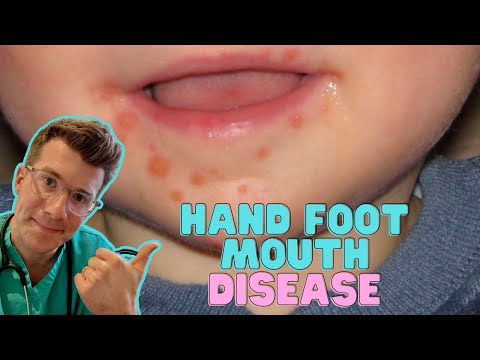
HFMD typically shows up with symptoms like fever, sore throat, and painful sores in the mouth. You may also notice a rash on their hands and feet. The good news? Most kids recover within a week or so without serious issues.
Here are some key tips to help safeguard your children from HFMD:
Remember that HFMD is contagious even before symptoms appear. That means good hygiene practices are essential year-round.
Recognizing symptoms early can help you manage HFMD better. If your child feels unwell or develops sores, keep them comfortable with plenty of fluids and rest. Consult a healthcare provider if symptoms worsen.
Education is key in preventing HFMD. Understanding how your child can catch it empowers you to take action effectively.
Finally, don’t let myths about HFMD scare you unnecessarily. While it’s uncomfortable, most cases resolve on their own without complications.
By following these tips and staying informed about this condition, you’re taking active steps in protecting your child’s health!
Simple Strategies to Keep Your Family Safe from Coxsackie Virus Outbreaks
Coxsackie virus is part of a group of viruses called enteroviruses. It can cause various illnesses, including hand, foot, and mouth disease. While it usually affects young children, anyone can get it.
Understanding the symptoms is key to managing an outbreak. Common signs include fever, sore throat, and rash. In some cases, it can lead to more severe complications like myocarditis. So being aware is crucial.
Here are some simple strategies to keep your family safe from coxsackie virus outbreaks:
Many myths surround viruses like coxsackie. It’s not just a “kid’s disease,” nor does it only spread during warmer months. Understanding these facts helps dispel fear.
Encouraging open conversations about health within your family fosters awareness and preparedness. Share information about coxsackie virus so that everyone understands how to protect themselves.
Staying informed about outbreaks in your community via local health departments helps too. They often share data on current trends and recommended actions.
In summary, while being aware of coxsackie virus is important for keeping families safe, practicing preventive measures is vital too! Always prioritize education over fear when dealing with health concerns.
Remember that if you have specific concerns or questions about symptoms or exposure scenarios, it’s best to reach out to a healthcare provider for further guidance.
Coxsackie virus is often overlooked, yet it plays a significant role in many infectious disease cases, especially in children. Understanding its symptoms and precautionary measures can empower individuals and families to respond appropriately.
This virus belongs to the enterovirus family and can cause various illnesses, from hand, foot, and mouth disease to more severe conditions like viral meningitis. Symptoms typically include fever, sore throat, and sometimes skin rashes. Recognizing these signs early is crucial for effective management.
To protect oneself and others from Coxsackie virus infections, hygiene practices are vital. Frequent handwashing with soap and water can significantly reduce transmission. It’s also important to clean surfaces that might harbor the virus regularly.
Beyond personal hygiene, awareness around avoiding close contact with infected individuals can prevent outbreaks. This is especially pertinent in communal settings like schools or daycare centers.
In conclusion, understanding Coxsackie virus fosters informed health decisions that benefit both individuals and the community at large. Open discussions about the importance of preventive measures encourage a proactive approach to health. Emphasizing education about this common yet impactful virus helps demystify it, contributing to a healthier society overall.