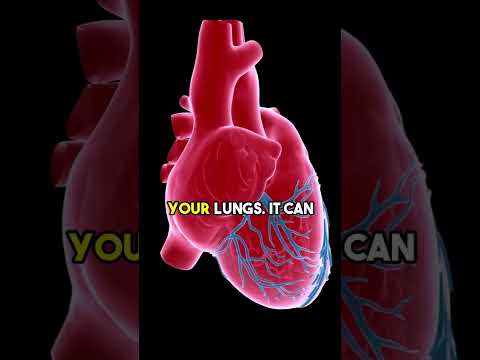
High blood pressure, often called hypertension, is like a silent storm brewing inside your body. While you may not feel it, the effects can be significant and far-reaching. Imagine water flowing through a garden hose; if the pressure is too high, the hose can get damaged over time. Similarly, untreated high blood pressure can strain your heart and blood vessels, leading to serious health issues.
Understanding high blood pressure involves looking at its risks and causes. Factors like age, lifestyle choices, and family history play pivotal roles in your risk level. By recognizing these elements, we can take proactive steps toward better health.
When it comes to care for high blood pressure, lifestyle changes such as eating healthier foods and increasing physical activity are vital. Medication might also be part of the plan depending on individual needs. It’s essential to think of managing blood pressure as creating a balanced ecosystem; everything must work together for optimal health.
However, this topic shouldn’t be taken lightly. High blood pressure is often asymptomatic and can lead to severe complications like heart attack or stroke if ignored. It’s crucial to seek knowledge from various specialists — such as doctors or dietitians — and trusted sources across different media avenues. This way, you empower yourself with accurate information to manage your health effectively.
Stay curious about your body and advocate for your well-being by learning more about high blood pressure today!
The information provided in this article is intended solely for general informational and educational purposes. It does not constitute medical advice, diagnosis or professional treatment, and should not be considered a substitute for consultation with a qualified doctor or other licensed healthcare professional. Any health-related decisions should be made in consultation with accredited medical professionals.
While efforts have been made to ensure the information is accurate and up to date, no guarantees are given—either express or implied—regarding its accuracy, completeness, currency or suitability. Use of this information is at your own discretion.
It is strongly recommended to consult official sources such as the NHS (National Health Service) or other recognised medical institutions before acting on any information contained on this website or article. Under no circumstances should professional medical advice be ignored or delayed due to content read here.
This content is of a general and informational nature only. It is not intended to replace individualised guidance from a healthcare professional or to establish any doctor-patient relationship. The publication of this information does not imply any professional responsibility, guarantee or obligation on the part of the author or this site.
Understanding High Blood Pressure: Unveiling the Hidden Dangers and Everyday Impacts
High blood pressure, or hypertension, is often called the “silent killer.” This is because it usually has no noticeable symptoms. People can have high blood pressure for years without knowing it.
Understanding blood pressure is crucial. It measures the force of blood against your artery walls. When this force is too high, it can lead to serious health issues.
Why is high blood pressure dangerous? It can cause heart disease, stroke, kidney damage, and more. Over time, it puts a strain on your heart and blood vessels. Think of it like a garden hose—if you turn up the water too high, the hose may burst.
Here are some common causes of high blood pressure:
Certain factors increase your risk. Age, lifestyle choices, and underlying health conditions all play a part.
Regular check-ups are important for catching high blood pressure early. Many adults should have their blood pressure checked at least once every two years. It’s often measured during routine visits.
How do we manage high blood pressure? Treatment typically includes lifestyle changes and sometimes medication. Here are some methods to help keep your levels in check:
Furthermore, managing stress through activities like yoga or meditation can be beneficial.
It’s essential to monitor your progress if you’ve been diagnosed with hypertension. Keep track of your readings at home if recommended by a healthcare provider.
Many myths surround high blood pressure that need debunking:
– High Blood Pressure Isn’t Just an Old Person’s Problem: Younger people can also be affected.
– You Can’t Feel High Blood Pressure: Just because you feel fine doesn’t mean you’re healthy.
Being informed about high blood pressure helps in making better health decisions. Talk openly with healthcare providers about risks and treatment options available to you.
In conclusion, understanding hypertension empowers individuals to take charge of their health better. Stay vigilant about your numbers and embrace a healthier lifestyle!
Understanding the Hidden Triggers That Can Elevate Your Blood Pressure
High blood pressure, or hypertension, is often called the “silent killer.” Many people may not even realize they have it until it causes serious health issues. Understanding what can trigger these elevated levels is crucial for managing your health.
Diet plays a significant role in blood pressure levels. High sodium intake from processed foods can cause your body to retain water. This excess fluid increases the volume of blood, which puts extra pressure on the walls of your arteries.
Another hidden trigger is stress. When you’re stressed, your body releases hormones like adrenaline and cortisol. These hormones temporarily raise your heart rate and narrow blood vessels, leading to higher blood pressure.
Don’t forget about lack of physical activity. A sedentary lifestyle can contribute to weight gain, and being overweight is a well-known risk factor for hypertension. Regular exercise helps keep your heart and arteries healthy.
Also, consider alcohol consumption. Drinking too much alcohol can raise your blood pressure over time. Moderation is key to maintaining balance in both health and wellness.
Sleep quality matters too. Conditions like sleep apnea disturb your restful hours, leading to fatigue and potential spikes in blood pressure during waking hours.
Sometimes medications can also be a culprit. Certain prescriptions or over-the-counter drugs may cause an increase in blood pressure as a side effect. Always check with a healthcare provider before starting new medications.
Other factors include caffeine intake. While its effects can vary from person to person, excessive caffeine can lead to temporary spikes in blood pressure for some individuals.
Lastly, family history can play a role too. If you have relatives with high blood pressure, you may be more likely to develop it yourself as lifestyle choices are often shared across families.
Understanding these triggers allows you to make informed decisions about your lifestyle choices. Remember that small changes can make a big difference over time! If you are concerned about high blood pressure or its effects on you personally, seeking guidance from healthcare professionals is always advisable.
Uncovering Everyday Factors That Elevate Your Blood Pressure Risk
High blood pressure, or hypertension, is often called a “silent killer.” Many people don’t know they’re affected until it leads to serious health issues. Understanding everyday factors that can elevate your blood pressure risk is essential.
Diet plays a significant role in blood pressure levels. Consuming too much salt can increase blood pressure. Just like adding salt to a dish, high-sodium foods can intensify the negative effects on your body. Aim for a balanced diet rich in fruits and veggies.
Weight management is another crucial factor. Carrying extra pounds puts more strain on your heart and blood vessels. Think of it as carrying a heavy backpack; the longer you carry it, the more tired you get.
Lack of exercise may also raise your risks. Regular physical activity strengthens your heart and keeps your blood vessels healthy. It’s like giving them a good workout – they perform better when used properly!
Stress might be harder to see but can hugely affect blood pressure too. When you’re stressed, your body releases hormones that temporarily increase blood pressure—like revving up an engine without going anywhere.
Alcohol consumption should be monitored as well. Drinking too much can lead to higher readings over time, similar to how overindulging in sweets can spike your sugar levels.
Smoking is another risk factor you should be aware of. The chemicals in cigarettes damage your arteries, making them narrower and raising your blood pressure.
Your age and family history also play key roles—aging increases risk just like wear and tear on an old vehicle.
Lastly, certain medications or supplements might affect your readings too, so it’s important to review these with caution.
In summary:
Awareness of these daily factors allows you to make informed choices about your health. Being proactive works wonders for controlling hypertension!
High blood pressure, or hypertension, is a common yet often overlooked condition that can have serious health implications. Understanding its risks, causes, and care is essential for maintaining overall well-being.
Risks: High blood pressure can lead to significant issues like heart disease, stroke, and kidney damage. Many people may not realize they have it because it often shows no symptoms until complications arise. This makes routine check-ups vital.
Causes: Several factors contribute to high blood pressure. Genetics play a role; if your family has a history of hypertension, you may be more at risk. Lifestyle habits are also significant—high salt intake, lack of physical activity, and excessive alcohol consumption can elevate blood pressure levels.
Care: Managing high blood pressure involves a combination of lifestyle changes and medication when necessary. Regular exercise and a balanced diet rich in fruits and vegetables can make a significant difference. It’s important to follow your healthcare provider’s advice on diet adjustments and medication adherence.
Understanding high blood pressure empowers individuals to take control of their health proactively. By recognizing the risks and causes while actively participating in their care plans, people can greatly improve their chances of living healthier lives free from complications associated with this condition.