The information provided in this article is intended solely for general informational and educational purposes. It does not constitute medical advice, diagnosis or professional treatment, and should not be considered a substitute for consultation with a qualified doctor or other licensed healthcare professional. Any health-related decisions should be made in consultation with accredited medical professionals.
While efforts have been made to ensure the information is accurate and up to date, no guarantees are given—either express or implied—regarding its accuracy, completeness, currency or suitability. Use of this information is at your own discretion.
It is strongly recommended to consult official sources such as the NHS (National Health Service) or other recognised medical institutions before acting on any information contained on this website or article. Under no circumstances should professional medical advice be ignored or delayed due to content read here.
This content is of a general and informational nature only. It is not intended to replace individualised guidance from a healthcare professional or to establish any doctor-patient relationship. The publication of this information does not imply any professional responsibility, guarantee or obligation on the part of the author or this site.
Introduction
Have you ever wondered why blood pressure matters so much? It’s like the body’s internal pressure gauge, telling us how well our heart and blood vessels are doing. And guess what? High blood pressure often sneaks up on people without any obvious symptoms.
Checking your blood pressure at home can be a game-changer. Seriously, it puts you in control of your health. You can easily keep track of those numbers and share them with your doctor during visits. This is super helpful for understanding your heart health.
This article will walk you through the steps to check your blood pressure effectively at home. We’ll cover everything from choosing the right monitor to interpreting those readings accurately. By the end, you’ll feel more confident about tracking this important aspect of your health.
Just a quick note: this information doesn’t replace medical advice, and it’s essential to consult a healthcare professional for any health decisions you make. So let’s dive in and empower ourselves with knowledge!
Discover simple techniques to monitor your heart health anytime, anywhere.
Understanding Blood Pressure Monitoring
Monitoring your blood pressure at home can really help you stay on top of your heart health. It’s like having a little check-up whenever you need it. But how do you do it? Let’s break it down in simple steps.
What is Blood Pressure?
Blood pressure measures the force of your blood pushing against your artery walls. When your heart beats, it pumps blood into arteries. The systolic number (the first one) measures that force during a heartbeat. The diastolic number (the second one) measures the force when the heart is at rest between beats.
Choosing the Right Equipment
You’ll first need a reliable blood pressure monitor. There are lots of options out there—digital ones are often easier to use than manual devices. Look for one that fits comfortably on your arm and has good reviews.
Preparing for Measurement
Before taking a measurement, make sure you’re relaxed. Sit quietly for about five minutes; this helps get an accurate reading. You should also avoid caffeine, exercise, or smoking right before checking your blood pressure.
The Right Position Matters
Sitting position is important too—make sure you’re seated with your back straight and feet flat on the floor. Your arm should be supported at heart level, resting on a table if possible. This helps to make sure the reading is correct.
Taking Your Blood Pressure
- Turn on the monitor and follow its instructions.
- If using an automatic device, it will inflate and deflate by itself while measuring.
- If manual, you’ll need to inflate the cuff using a bulb until you hear no sound through a stethoscope, then slowly release air while listening for sounds again.
Understanding Your Readings
A normal reading is generally around 120/80 mmHg (millimeters of mercury). If you’re consistently seeing higher numbers (like 130/80 mmHg or more), that could indicate high blood pressure—a condition known as hypertension.
Keeping Records
This part can often get overlooked! Jot down each reading in a notebook or app so you can track changes over time. Patterns emerge better with regular recordings, which can be helpful if you discuss these with a healthcare professional later on.
Caution and Considerations
If readings are consistently high or low, it’s vital to talk to someone who knows their stuff—like a healthcare provider. Extremes in readings might mean there’s something else going on that needs attention.
The Bottom Line
You know what? Keeping tabs on your heart health doesn’t have to be complicated or intimidating. With just some simple tools and techniques, you can feel empowered to monitor how things are going any time!
A Simple Guide to Monitoring Your Heart Health Anytime, Anywhere
Keeping an eye on your heart health is really important. It’s like checking your car’s oil; a little maintenance can go a long way. One of the easiest ways to do this at home is by monitoring your blood pressure.
Why Monitor Blood Pressure?
Your blood pressure measures the force of blood against the walls of your arteries. If it’s too high or too low, it can lead to serious health issues. High blood pressure, for example, increases the risk of heart disease and stroke.
The Basics of Taking Blood Pressure
You’ll need a blood pressure monitor, which you can buy at any pharmacy or online. These come in manual and digital forms. Digital monitors are generally simpler to use—just press a button and you’re good to go!
Best Time to Check
Timing matters! Try taking your blood pressure at the same time every day. Mornings are usually recommended since stress levels are often lower then. Avoid coffee or exercise right before checking because they can affect readings.
Step-by-Step Process
- Find a Comfortable Position: Sit down in a quiet place for a few minutes before taking the measurement.
- Ensure Proper Placement: Keep your arm at heart level, with feet flat on the ground.
- Take the Reading: Use the monitor as instructed. Digital models will beep or display results automatically.
- Record Your Results: Jot down readings along with date and time so you can identify trends over time.
If You Get High Readings
A single high reading might not mean much—it could be stress or caffeine kicking in. But if you consistently see numbers above 140/90 mmHg, it might be worth talking with someone who knows more about this stuff.
Keeps Track Over Time
You know how people keep logs for fitness? Same idea! Recording your readings helps you see patterns and spot potential concerns early.
Mental Health Matters Too
Your emotional state impacts physical health big-time! Stress and anxiety can spike blood pressure temporarily. Finding ways to relax—like meditation or deep breathing—can help manage both mental and heart health.
Cautions to Keep in Mind
If you’re taking medications for high blood pressure, don’t skip them just because you’re monitoring at home! Always follow what you’ve been advised by professionals.
This really isn’t about being perfect; it’s just about keeping an eye out for yourself in everyday life. With simple tools like blood pressure monitors and some mindfulness about timing, anyone can take charge of their heart health!
Discover the surprising moments that can skew your readings and what to avoid for accurate results.
Understanding Blood Pressure Readings
Checking your blood pressure at home can give you valuable insight into your health. But many factors can affect those readings, sometimes leading to confusion. Let’s break down what might skew your results.
The Right Environment
The place where you measure your blood pressure matters a lot. It’s best to sit in a quiet room where you feel relaxed. Noise and distractions can raise your heart rate, making the readings higher than they actually are.
Body Positioning
Your position during the measurement is crucial. Sit comfortably with your back supported and feet flat on the floor. If you’re slouching or crossing your legs, that can impact the reading significantly.
Timing Is Key
When you take a measurement also plays a role. Blood pressure can fluctuate throughout the day—like when you’re stressed or after exercising. For consistent results, try measuring at the same time daily.
Caffeine and Smoking
Ever notice how coffee perks you up? Well, caffeine can temporarily raise blood pressure, too. Avoid caffeinated drinks for at least 30 minutes before taking a reading. And smoking right before? A big no-no; it can elevate readings as well.
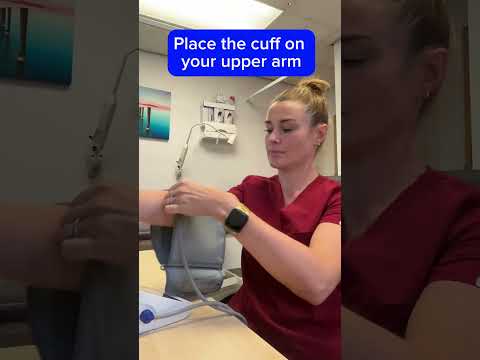
If you’re using an automatic cuff, ensure it’s positioned correctly on your arm—about one inch above your elbow crease is ideal. A poorly placed cuff might give false high or low numbers, which could confuse you.
- Rushing through measurements.
- Sitting in an uncomfortable position.
- Taking readings immediately after exercise or stress.
- Ignoring instructions from the device manual.
- Using different cuffs for each measurement without recalibrating them.
So there ya go! By being aware of these factors and taking some simple steps to control them, you’ll likely get more reliable blood pressure readings at home. Remember, it’s all about consistency and being mindful of how different elements influence your health data!
How to Effectively Check Your Blood Pressure at Home
Checking your blood pressure at home can be a game-changer for managing your health. It’s pretty straightforward but there are a few important things to keep in mind.
Understand the Basics
Blood pressure is measured in millimeters of mercury (mmHg) and it usually includes two numbers: systolic and diastolic. Systolic is the first number, indicating the pressure as your heart beats. Diastolic, the second number, measures pressure when your heart rests between beats.
Choose the Right Equipment
The first step is picking a reliable blood pressure monitor. Automatic arm monitors are often recommended because they’re user-friendly and provide consistent readings. Wrist monitors can be less accurate, especially if not positioned correctly.
Timing Matters
You want to check your blood pressure at similar times each day for consistency. Mornings or evenings are great options, but avoid checking after exercising or consuming caffeine. Those factors can raise your reading temporarily.
Get Comfortable
Sit quietly for about five minutes before taking a reading. Sit with your back supported and feet flat on the floor—no crossing those legs! Place the cuff on bare skin above your elbow; it should be snug but not too tight.
Take Multiple Readings
It’s helpful to take two or three readings about one minute apart and average them out. Blood pressure can fluctuate throughout the day, so this method gives you a better overall picture.
Record Your Results
Keeps track of your readings over time in a log or app. This helps you notice patterns and discuss them with healthcare providers later on.
It’s super valuable!
Know When to Seek Help
If you consistently record high or low readings, it’s time to consult a healthcare professional. Keeping an eye on this kind of data can empower you in managing conditions like hypertension.
The simple act of checking blood pressure at home can lead to increased awareness about your health. So grab that monitor and start tracking! Remember, it’s all about being proactive rather than reactive when it comes to wellbeing.