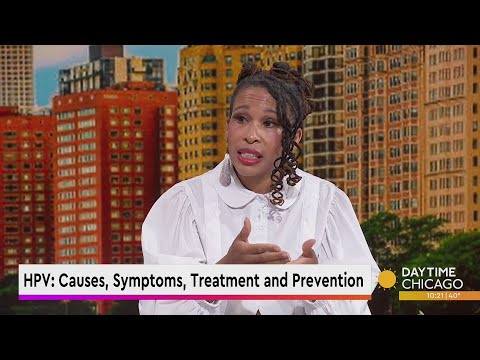
Human Papillomavirus, or HPV, is a name that often stirs up concern. You may have heard about it in relation to skin warts or cervical cancer, but did you know it can also affect the mouth? Many people are curious about how this virus can manifest in oral health and what signs to watch for.
HPV in the mouth can lead to changes that you might not notice right away. In some cases, it can cause lesions or sores. These symptoms can be subtle and easily overlooked. That said, being informed is your best defense.
It’s important to remember that while most HPV infections are harmless and go away on their own, some types may increase the risk of certain cancers, including oropharyngeal cancer. Understanding these risks helps you take proactive steps for your health.
To stay safe and informed about HPV in the mouth:
The information provided in this article is intended solely for general informational and educational purposes. It does not constitute medical advice, diagnosis or professional treatment, and should not be considered a substitute for consultation with a qualified doctor or other licensed healthcare professional. Any health-related decisions should be made in consultation with accredited medical professionals.
While efforts have been made to ensure the information is accurate and up to date, no guarantees are given—either express or implied—regarding its accuracy, completeness, currency or suitability. Use of this information is at your own discretion.
It is strongly recommended to consult official sources such as the NHS (National Health Service) or other recognised medical institutions before acting on any information contained on this website or article. Under no circumstances should professional medical advice be ignored or delayed due to content read here.
This content is of a general and informational nature only. It is not intended to replace individualised guidance from a healthcare professional or to establish any doctor-patient relationship. The publication of this information does not imply any professional responsibility, guarantee or obligation on the part of the author or this site.
Remember, knowledge empowers you to make responsible health decisions. Don’t hesitate to seek information from various specialists and trusted media outlets—being well-informed is your best strategy!
Exploring the Unexpected Effects and Risks of Oral HPV Infection
Oral HPV infection is a topic that many people don’t know much about. HPV, or human papillomavirus, is often associated with genital warts and cervical cancer. However, it can also infect the mouth and throat.
Most of the time, oral HPV doesn’t cause any noticeable symptoms. Many individuals might not even realize they have it. This is similar to having a cold—sometimes you just carry the virus without feeling sick.
Signs of Oral HPV can include:
Many people who have oral HPV never develop serious health problems. In fact, most cases clear up on their own without treatment. However, there are risks to be aware of.
One concern is that certain strains of HPV can lead to oropharyngeal cancers. This type of cancer affects parts of the throat including the base of the tongue and tonsils. It’s less common than other cancers but has been increasing in recent years.
The relationship between oral HPV and cancer isn’t fully understood yet. Think of it like a line of dominoes; one piece might fall without knocking over all the others. Not everyone with oral HPV will develop cancer.
Preventative measures can help reduce risk:
The vaccine isn’t just for teenagers; adults up to age 45 may also benefit from it. It’s like wearing a seatbelt in a car—just an extra layer of protection.
Myths around oral HPV are common too. Some think only those who engage in risky sexual behaviors can get it. In reality, anyone who has sexual contact may be at risk, regardless of how many partners they’ve had.
Understanding these facts helps reduce fear surrounding oral HPV but also encourages responsible health choices. If you’re concerned about your risk or symptoms, talking to someone knowledgeable can provide clarity and support.
Remember that knowledge empowers decisions related to your health! Taking informed steps now lays a foundation for better outcomes later on.
Simple Steps to Safeguard Your Health Against Oral HPV
Oral HPV, or human papillomavirus, can be a tricky topic. Most people associate HPV with cervical cancer, but it can also affect the mouth and throat. Understanding this can help you make informed choices about your health.
First, know that HPV is quite common. In fact, many sexually active people will contract it at some point in their lives. While some types of HPV can lead to health issues, most clear from the body naturally.
Here are some simple steps to safeguard your health against oral HPV:
Be alert for signs of potential problems in your mouth, such as persistent sores, lumps, or changes in voice. If you notice anything unusual that lasts more than two weeks, consider reaching out to a healthcare provider for advice.
It’s also important to have regular dental check-ups. Dentists often screen for oral abnormalities during routine visits.
Remember that knowledge is power when it comes to sexual health. Staying informed lets you make decisions that align with your comfort levels and lifestyle.
By understanding HPV and taking these basic steps, you are better equipped to handle this virus should it ever come into play in your life. Stay proactive about your health!
Understanding the Risks and Implications of Oral HPV
Oral HPV is a type of human papillomavirus that can infect the mouth and throat. While many people associate HPV with cervical cancer, there are several strains, some of which can lead to oral cancers. Understanding this condition is essential for making informed health choices.
First, let’s discuss how oral HPV spreads. It primarily transmits through oral sex but may also spread through kissing or sharing utensils. Just like other infections, having multiple sexual partners increases your likelihood of exposure.
Many individuals with oral HPV may not experience noticeable symptoms. This is similar to having a cold without any sneezing or coughing—you’re infected but feel perfectly fine. However, some signs could indicate an issue.
These may include:
If you notice any of these symptoms, check in with a healthcare provider for further evaluation.
One crucial point to understand is not all strains of HPV lead to cancer. Most infections clear up on their own without causing harm. It’s much like catching a common virus; most people recover without any lasting effects.
However, certain high-risk HPV strains are linked to cancer. Oral cancers related to HPV have been on the rise in recent years. Awareness and early detection are key; they can help greatly if treatment becomes necessary.
There’s also good news regarding prevention. Vaccines exist that protect against the most harmful strains of HPV. This vaccine benefits both males and females before they become sexually active.
Practicing safe sex can also reduce your risk significantly. Using condoms or dental dams can lower the chance of transmitting or acquiring oral HPV—though not eliminating it completely since these methods don’t cover all areas that might contact during sexual activity.
In conclusion, understanding the risks associated with oral HPV is important for everyone who is sexually active. Being informed allows you to make responsible health decisions and take proactive steps towards prevention and monitoring your health effectively. As always, stay engaged in conversations about your health with a professional who understands your personal situation best!
Human Papillomavirus (HPV) is often associated with cervical cancer, but it can also affect the mouth and throat. Understanding this topic is vital as it sheds light on oral health and the risks involved.
Firstly, HPV can lead to oral squamous cell carcinoma. This type of cancer may be linked to high-risk HPV strains, particularly types 16 and 18. Early signs to watch for include persistent sores in the mouth, a lump or growth, and difficulty swallowing or speaking. Recognizing these symptoms early can make a significant difference in treatment outcomes.
Safety is a key concern since many people may be unaware they carry the virus. Practicing safe sex through barrier methods, like condoms or dental dams, can significantly reduce transmission rates. Vaccination against HPV also offers significant protection from various strains associated with oral cancers.
So, what should you expect if diagnosed? A thorough evaluation by a healthcare provider is essential. They may recommend imaging tests or biopsies to confirm any abnormalities. Treatment options vary based on the stage of cancer but often include surgery, radiation therapy, or chemotherapy.
In summary, awareness about oral HPV is crucial for early detection and prevention strategies. Regular dental check-ups can help monitor oral health and catch any potential issues early on. Remember that understanding this virus empowers you to take informed action regarding your health.