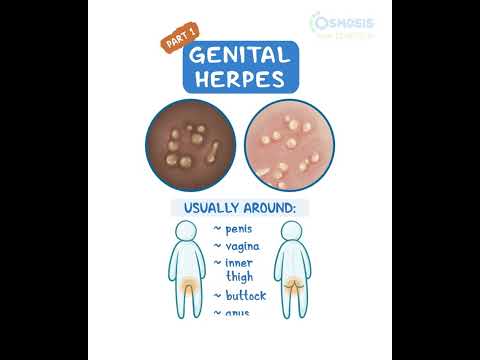
Have you ever glanced at a bump on your skin and wondered what it could be? Many people confuse certain skin conditions, thinking they resemble harmless pimples. Two infections that often come up in these conversations are HPV (human papillomavirus) and herpes. It’s crucial to understand the differences between these viruses and common acne.
Both HPV and herpes can cause lesions that might look like pimples at first glance, but their implications are far more complex. Understanding these conditions goes beyond just appearances; it involves knowing how they spread, their symptoms, and potential health impacts.
Warning: If you’re concerned about any bumps or changes on your skin, it’s essential to consult healthcare professionals for accurate diagnosis and treatment options. Relying solely on internet research can lead to misunderstandings. Make sure to explore information from multiple credible sources and seek advice from specialists who can provide clarity tailored to your situation. Your health deserves careful attention!
The information provided in this article is intended solely for general informational and educational purposes. It does not constitute medical advice, diagnosis or professional treatment, and should not be considered a substitute for consultation with a qualified doctor or other licensed healthcare professional. Any health-related decisions should be made in consultation with accredited medical professionals.
While efforts have been made to ensure the information is accurate and up to date, no guarantees are given—either express or implied—regarding its accuracy, completeness, currency or suitability. Use of this information is at your own discretion.
It is strongly recommended to consult official sources such as the NHS (National Health Service) or other recognised medical institutions before acting on any information contained on this website or article. Under no circumstances should professional medical advice be ignored or delayed due to content read here.
This content is of a general and informational nature only. It is not intended to replace individualised guidance from a healthcare professional or to establish any doctor-patient relationship. The publication of this information does not imply any professional responsibility, guarantee or obligation on the part of the author or this site.
Unmasking the Truth About HPV: Is That Bump Just a Pimple?
HPV, or human papillomavirus, is a common virus. It often goes unnoticed because many people don’t show symptoms. But when bumps appear, it can be confusing. You might wonder, “Is that bump just a pimple?”
First, it’s important to know that HPV can cause warts. These warts can develop on various parts of the body, including the genitals and mouth. They may look like small flesh-colored bumps or cauliflowers.
On the other hand, pimples are usually caused by clogged pores due to oil and dead skin cells. They’re typically red and tender. So while they can resemble each other at first glance, they have different origins.
Key indicators that can help you differentiate:
When it comes to herpes, another common virus, the symptoms can include blisters or sores. These might also be mistaken for pimples or ingrown hairs due to their size and appearance.
It’s essential to remember that both HPV and herpes have no cure but can be managed effectively with proper care.
Many myths surround these infections. For instance, some believe HPV only affects those who are sexually active or promiscuous—which isn’t true. Most people get at least one type of HPV at some point in their lives.
If you find an unusual bump—especially one that doesn’t heal—it’s wise to seek advice from a healthcare provider. They can offer proper diagnosis and guidance based on your situation.
Ultimately, being informed is your best defense against misinformation and fear surrounding these viruses! Regular check-ups are key in maintaining sexual health.
Stay curious but also cautious! Understanding what’s happening with your body helps make better health decisions for yourself and others.
Understanding the Key Signs and Symptoms to Identify Each Virus
When it comes to viruses like HPV and herpes, it’s crucial to recognize their signs and symptoms. Understanding these can help you make informed health decisions.
HPV (Human Papillomavirus) is a common virus. Many people don’t even know they have it because they show no symptoms. However, some types can cause warts, which could resemble small pimples.
In contrast, herpes simplex virus (HSV) often shows clearer symptoms. It generally affects areas like the mouth or genitals.
Both HPV and herpes are different from typical pimples. While they may look similar at first glance, their underlying causes and behaviors are distinct.
It’s important to note that having these viruses doesn’t always mean visible symptoms will occur. Some people carry them without any signs.
If you notice unusual bumps or sores, it’s a good idea to consult with a healthcare provider for proper evaluation and guidance.
Myths surrounding these viruses abound. For instance, some believe that HPV and herpes can be completely prevented by over-the-counter treatments. However, that’s misleading; vaccinations exist for some strains of HPV, but both viruses require medical attention for effective management.
Always remember that staying informed is key in navigating health concerns. Regular check-ups and open discussions about sexual health can enhance understanding and reduce risks.
Paying attention to your body is crucial. If you’re ever uncertain about changes you’re experiencing, seeking advice from a qualified source is the best approach.
Understanding Skin Symptoms: Could Your Pimples Be More Than Just Acne?
Pimples are a common skin issue, mostly associated with acne. But what if those bumps on your skin are trying to tell you something more? Understanding the difference between ordinary acne and other conditions is essential for your health.
Both human papillomavirus (HPV) and herpes can present as pimples or bumps. However, the underlying causes and implications are different. HPVs, especially certain strains, can lead to warts. These may appear as small growths that feel rough or raised.
Herpes, on the other hand, often manifests as blisters or sores. You might experience red spots or painful clusters. Unlike regular acne, herpes symptoms often come with feelings of itchiness or burning.
Recognizing skin symptoms is crucial. Here’s what you should know:
While not all bumps mean you have a serious condition, some could signal infection or sexually transmitted infections (STIs). It’s important to pay attention to changes in your skin.
If you’re unsure about a pimple-like bump on your skin, don’t hesitate to seek advice from a healthcare provider. They can help clarify what’s happening and suggest appropriate next steps.
In conclusion, while many people associate pimples solely with acne, some symptoms might point to other health issues like HPV or herpes. Educating yourself about these possibilities empowers you in making informed decisions about your health. Remember, understanding these signs is key for taking care of yourself!
Exploring the similarity between HPV, herpes, and pimples sheds light on common misconceptions about skin conditions. It’s essential to understand that while these issues might appear superficially similar, they arise from different causes and have distinct implications for health.
HPV (Human Papillomavirus) is a viral infection that can lead to warts or lesions. These can sometimes be mistaken for blemishes, but they’re more persistent and often require medical attention.
Herpes, caused by the herpes simplex virus, typically presents as painful blisters or sores. While they might resemble pimples in their early stages, herpes involves recurring outbreaks and is primarily transmitted through skin-to-skin contact.
In contrast, pimples are usually linked to acne or clogged pores and don’t carry the same health risks.
Understanding these distinctions is crucial. Misidentifying a serious condition can lead to delays in treatment and increased transmission risk for contagious infections like HPV and herpes. It’s important to consult a healthcare professional if you notice unusual skin changes. This promotes responsible health decisions based on accurate information rather than assumptions.
Addressing myths around these conditions empowers individuals with knowledge — promoting awareness over stigma and ensuring better overall health management.