Human composting is an innovative alternative to traditional burial and cremation, allowing our bodies to return to the earth in a sustainable way. The process involves transforming human remains into nutrient-rich soil through natural decomposition. Imagine planting a tree with the very essence of life—your loved one’s body nourishing new growth. It’s a unique way to honor those we’ve lost while promoting environmental stewardship.
However, as with any evolving practice, understanding human composting’s complexities requires careful thought. The legal landscape surrounding it varies widely from state to state and country to country. Some places embrace this approach, while others hesitate, citing ethical or cultural concerns. Staying informed is crucial, as regulations can influence availability and practices.
Warning: Before considering human composting for yourself or a loved one, it’s important to do thorough research. Speak with various specialists and consult multiple sources of information. This will help you understand the nuances of the process and its legal status in your area. Knowledge empowers you to make informed decisions during such sensitive times.
The information provided in this article is intended solely for general informational and educational purposes. It does not constitute medical advice, diagnosis or professional treatment, and should not be considered a substitute for consultation with a qualified doctor or other licensed healthcare professional. Any health-related decisions should be made in consultation with accredited medical professionals.
While efforts have been made to ensure the information is accurate and up to date, no guarantees are given—either express or implied—regarding its accuracy, completeness, currency or suitability. Use of this information is at your own discretion.
It is strongly recommended to consult official sources such as the NHS (National Health Service) or other recognised medical institutions before acting on any information contained on this website or article. Under no circumstances should professional medical advice be ignored or delayed due to content read here.
This content is of a general and informational nature only. It is not intended to replace individualised guidance from a healthcare professional or to establish any doctor-patient relationship. The publication of this information does not imply any professional responsibility, guarantee or obligation on the part of the author or this site.
Transforming Life Into Soil: Exploring the Journey of Human Composting
Human composting, also known as natural organic reduction, is an innovative way to handle human remains. This process transforms our bodies into nutrient-rich soil. It aligns with a growing desire for environmentally friendly options in death care.
Many people are drawn to human composting because it is considered more sustainable than traditional burial or cremation. Instead of taking up space in a cemetery or releasing carbon emissions, this method enriches the earth.
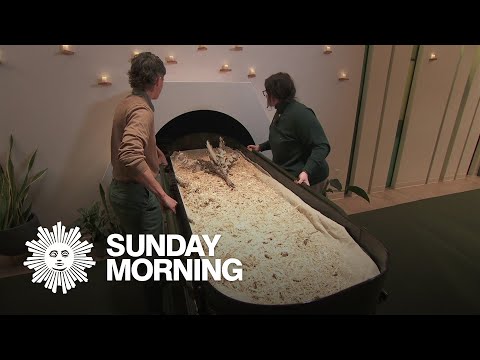
How does it work? The process involves placing the body in a specially designed vessel. Inside, natural materials like wood chips, straw, and alfalfa are added. These materials help facilitate decomposition.
At the end of this journey, families receive a few cubic feet of fertile earth. This soil can be used for planting trees or gardens—turning a final resting place into life-giving land.
While this practice sounds unusual to some, it’s grounded in nature’s cycle. Just as fallen leaves return nutrients to the soil, our bodies can do the same.
The legal landscape surrounding human composting varies by state and country. Currently, only a handful of places have legalized it. Washington was the first state to pass legislation allowing human composting in 2019.
As more people learn about it and advocate for change, laws may evolve. It’s essential to stay informed and understand local regulations if you’re considering this option.
Despite its benefits, there are myths surrounding human composting that deserve clarification. For instance:
As we contemplate our final wishes and how we want to impact future generations, exploring options like human composting opens new conversations about life and legacy.
It reminds us that even in death, we can contribute positively to our environment—transforming back into something that nurtures life on Earth. This perspective might make us rethink not just how we die but also how we live in relation to nature around us.
Exploring the Global Landscape of Eco-Friendly Afterlife Options
The way we think about death is changing. Many people are now seeking eco-friendly afterlife options. Human composting is one such method gaining attention.
Human composting, or natural organic reduction, involves breaking down the body into nutrient-rich soil. This process typically takes about 4 to 6 weeks.
During composting, the body is placed in a vessel with organic materials like wood chips and straw. Microorganisms and oxygen help decompose the remains in a controlled environment. The end product can be used to nourish plants.
This option appeals to those who value sustainability. It aligns with the idea of returning to nature after death.
Legally, human composting is evolving too. Several states in the U.S., including Washington and Colorado, have legalized it. However, regulations can vary widely by location.
People interested in this option should research their area’s laws. It’s also essential to consider local funeral homes and their offerings related to eco-friendly practices.
In addition to composting, there are other green alternatives for afterlife planning:
These choices emphasize respect for the environment while honoring loved ones.
It’s important to approach these topics thoughtfully. Discuss your wishes with family members ahead of time. Having open conversations can ease decisions during difficult times.
Ultimately, considering eco-friendly options promotes a sense of legacy and connection to nature even after life has ended.
Unveiling the Transformation: The Journey of Bones in Human Composting
Human composting is an innovative approach to afterlife care. It transforms human remains into nutrient-rich soil. This process, also known as natural organic reduction, differs significantly from traditional burial or cremation.
Bones play a crucial role in this transformation. When a person passes away, their body includes bones that are dense and durable. During human composting, however, the journey of these bones is fascinating.
At the start of the process, bodies are placed in a specially designed vessel with organic materials. Think of it like creating a mini-ecosystem. These materials help facilitate decomposition while promoting microbial activity.
As time progresses, bacteria and microorganisms break down soft tissues first. They munch through what’s easily digestible before turning their attention to bones.
Then comes the magic part—the bones start breaking down too but at a slower pace. This can take weeks to months depending on conditions like temperature and moisture levels.
To aid this process, some facilities may use supplements like wood chips or alfalfa. These additions create an ideal environment for microbes and enhance the breakdown of all components in the body.
Eventually, after several weeks, what remains is primarily made up of bone fragments along with other organic matter. These bones do not vanish completely but become smaller and more like soil granules over time.
Before this “soil” can be given back to loved ones or used in gardens, it undergoes screening to remove any large bone pieces that haven’t fully decomposed. What’s left is a rich mix ready for use.
Many people appreciate human composting because it honors both life and death in a sustainable way. It returns nutrients back into nature instead of using land or energy excessively as traditional methods do.
It’s important to remember that laws regarding human composting vary by location. Some places have embraced it wholeheartedly while others may still have reservations or restrictions.
This journey—from being part of us to enriching the earth—offers closure for families who choose this method while promoting environmental responsibility.
Understanding how our bodies transform after death can put into perspective our connection with nature even in life’s final chapter. Through knowledge about these processes, we can make informed choices about end-of-life care that resonate with our values.
Human composting, also known as natural organic reduction, is an innovative approach to body disposition that transforms human remains into soil. This process serves as an environmentally friendly alternative to traditional burial or cremation. At its core, human composting involves placing the deceased in a “composting chamber” with organic materials like wood chips and alfalfa. Over several weeks, the materials break down through microbial activity, ultimately producing nutrient-rich soil.
Legally, human composting is still navigating a developing landscape. As of now, several states in the U.S. have enacted laws to permit this practice, each with specific regulations guiding its implementation. These laws often focus on safety standards and the ethical handling of remains, ensuring that those involved in the process comply with both health and environmental regulations.
This approach raises important ethical considerations regarding death and sustainable practices. It encourages discussions about our relationship with nature and how we honor our loved ones while minimizing ecological impact. Understanding these facets allows for informed decision-making regarding death care options while addressing pressing issues about climate change.
As this practice gains traction, it invites critical reflection on traditional norms surrounding death and prompts important dialogue about end-of-life choices that align with personal values and environmental responsibility. Encouraging awareness of such alternatives is essential as society continues to shift toward more sustainable practices.