Insects and spiders are fascinating creatures, playing essential roles in our ecosystems. However, their bites and stings can sometimes lead to discomfort or more serious health issues. Understanding how to recognize these encounters can help us navigate the outdoors with confidence.
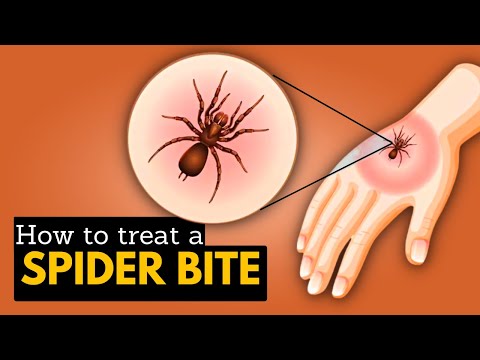
Insect stings, such as those from bees, wasps, or fire ants, often result in pain and swelling. Meanwhile, spider bites might bring mild irritation or pose more serious risks depending on the type of spider involved. Each creature has a unique venom that interacts differently with our bodies.
It’s important to know what to expect. For instance, some people may have allergic reactions that can escalate quickly, while others might not experience significant effects at all. Recognizing symptom patterns allows for better decision-making when faced with a sting or bite.
However, caution is key. While many stings and bites are harmless and resolve on their own, it’s crucial to stay informed about potential complications. Always seek information from reputable specialists and trusted media sources before making conclusions about treatments or preventive measures. Your health should be based on well-rounded knowledge rather than myths or hearsay.
So let’s dive deeper into this topic! Understanding insect stings and spider bites empowers you to enjoy nature safely while being prepared for any surprises along the way.
The information provided in this article is intended solely for general informational and educational purposes. It does not constitute medical advice, diagnosis or professional treatment, and should not be considered a substitute for consultation with a qualified doctor or other licensed healthcare professional. Any health-related decisions should be made in consultation with accredited medical professionals.
While efforts have been made to ensure the information is accurate and up to date, no guarantees are given—either express or implied—regarding its accuracy, completeness, currency or suitability. Use of this information is at your own discretion.
It is strongly recommended to consult official sources such as the NHS (National Health Service) or other recognised medical institutions before acting on any information contained on this website or article. Under no circumstances should professional medical advice be ignored or delayed due to content read here.
This content is of a general and informational nature only. It is not intended to replace individualised guidance from a healthcare professional or to establish any doctor-patient relationship. The publication of this information does not imply any professional responsibility, guarantee or obligation on the part of the author or this site.
Understanding the Warning Signs You Shouldn’t Ignore
Insects and spiders are everywhere, and most stings or bites are harmless. Still, it’s important to recognize when you should be concerned. Ignoring warning signs can lead to serious complications.
Know the Basics: Most insect stings and spider bites cause mild reactions like redness, swelling, or itching. These are normal and usually go away on their own.
However, not all bites or stings are the same. Some can trigger severe responses in certain people. Here’s what to look out for:
The body’s response to an insect sting or spider bite can vary widely. Some people might develop allergies over time. It’s always a good idea to keep track of how you react after an encounter.
Your Health Matters: If you notice any of those warning signs, don’t hesitate to get medical help. Even if it seems minor at first, it’s better to be safe.
Mistake Prevention: Staying informed is key. Not all spiders are dangerous; for example, most house spiders are harmless despite their scary appearance.
In summary, while most insect stings and spider bites aren’t life-threatening, paying attention to warning signs is important. Make informed choices about your health and never hesitate to ask for help when needed.
Essential Steps to Alleviate Pain and Swelling from Insect Bites and Stings
Insect bites and stings can be bothersome. They may cause pain, swelling, and itching. Knowing how to relieve these symptoms can make a big difference. Here are some essential steps to help you manage discomfort from insect bites and stings.
First, remain calm. Most insect bites and stings are not serious. However, some people may have allergic reactions. If you experience severe symptoms like trouble breathing or swelling of the face, seek help immediately.
Once you’re safe, take the following steps:
Herbal options like aloe vera or chamomile might soothe irritations too. However, check for any allergies before applying them.
Monitor for any changes in your condition over time. If you notice increased redness, warmth, or pus at the site, consult a healthcare provider.
Always remember that preventing bites is key! Wear long sleeves in wooded areas and use insect repellent when needed.
These simple measures can often provide relief from the discomfort of insect bites and stings while ensuring that you stay healthy and safe.
Essential Tips for Quick Relief and Care
Insect stings and spider bites are common and can cause discomfort. Knowing how to respond can make a big difference. Here are some essential tips for quick relief and care.
Stay Calm: Panic can heighten your body’s response to pain. Take a deep breath and assess the situation.
Remove the Stinger: For insect stings, like from bees, remove the stinger quickly. Use something flat, like a credit card, to scrape it out. Avoid squeezing it to prevent more venom from entering the skin.
Cleansing: Clean the area gently with soap and water. This helps prevent infection.
Icing: Apply ice or a cold pack wrapped in cloth to reduce swelling and numb the pain. Do this for about 15-20 minutes every hour as needed.
Pain Relief: Over-the-counter pain relievers can help ease discomfort. Follow package instructions carefully.
Watch for Signs: Keep an eye out for severe reactions like trouble breathing or swelling in unusual areas. Seek immediate help if these occur.
: It may be tempting, but scratching can lead to infection.
: Expect some redness or swelling at the site of the sting or bite; this is normal.
: Don’t pop it; it’s your body’s way of protecting itself from infection.
Allergy Considerations: Some people have allergies that can lead to severe reactions known as anaphylaxis. If you know you’re allergic, consider carrying an epinephrine auto-injector with you.
Treatment Options: If symptoms persist beyond a few days or worsen, seek medical attention for possible further treatment.
In summary, most insect stings and spider bites can be managed at home with simple care techniques. However, understanding when to seek professional help is key to ensuring safety and health.
Insect stings and spider bites are common occurrences yet can lead to significant health issues if not understood properly. Many people have a basic awareness of these incidents but often overlook their potential risks and varying reactions.
When discussing insect stings, consider bees, wasps, and hornets. Their stings can cause pain and swelling but may also trigger serious allergic reactions in some individuals. Anaphylaxis, a life-threatening condition, can arise rapidly after a sting. This highlights the need for awareness about personal allergies and the importance of carrying emergency medication if necessary.
Spider bites tend to evoke fear due to the stigma surrounding certain species like the black widow or brown recluse. While most spider bites are harmless, it’s essential to recognize signs of infection or systemic reactions that could develop from any bite.
Understanding these topics goes beyond just recognizing insects and spiders; it involves knowing how our bodies react to them. Education is crucial. Knowing how to respond—whether it’s seeking medical attention or managing symptoms at home—can empower individuals to stay safe.
Promoting critical thinking in this area is vital as myths abound regarding treatments for stings and bites. For example, applying heat to a venomous spider bite may seem reasonable but can worsen tissue damage instead of helping.
Ultimately, fostering an informed perspective on insect stings and spider bites empowers individuals to protect themselves effectively while reducing unnecessary anxiety about these encounters with nature.