The information provided in this article is intended solely for general informational and educational purposes. It does not constitute medical advice, diagnosis or professional treatment, and should not be considered a substitute for consultation with a qualified doctor or other licensed healthcare professional. Any health-related decisions should be made in consultation with accredited medical professionals.
While efforts have been made to ensure the information is accurate and up to date, no guarantees are given—either express or implied—regarding its accuracy, completeness, currency or suitability. Use of this information is at your own discretion.
It is strongly recommended to consult official sources such as the NHS (National Health Service) or other recognised medical institutions before acting on any information contained on this website or article. Under no circumstances should professional medical advice be ignored or delayed due to content read here.
This content is of a general and informational nature only. It is not intended to replace individualised guidance from a healthcare professional or to establish any doctor-patient relationship. The publication of this information does not imply any professional responsibility, guarantee or obligation on the part of the author or this site.
Have you ever felt a sudden sting on your skin and wondered if it was a bug bite? Well, sometimes, those little surprises come from jumping spiders. Yes, those tiny creatures that hop around can actually bite!
Now, don’t panic. Most jumping spider bites are pretty harmless. But, it’s good to know what you’re dealing with. Imagine being outside, enjoying a sunny day, when you suddenly feel something sharp on your hand. That can be alarming! Knowing more about these bites can help you stay calm and informed.
This article dives into the world of jumping spider bites—what they look like, how they might feel, and what steps to take if one happens to you. Understanding the facts will help ease any fears or misconceptions out there.
Of course, this information shouldn’t replace professional medical advice. It’s always best to consult with a healthcare professional regarding any health concerns or decisions. Let’s get into it!
Unraveling the Curious Nature of Our Eight-Legged Neighbors
Understanding Jumping Spider Bites
Hey there! You might have seen those tiny, furry eight-legged creatures hopping around—those are jumping spiders. They’re actually quite fascinating and harmless for the most part. But, sometimes people wonder: what happens if you get bitten?
What Exactly Are Jumping Spiders?
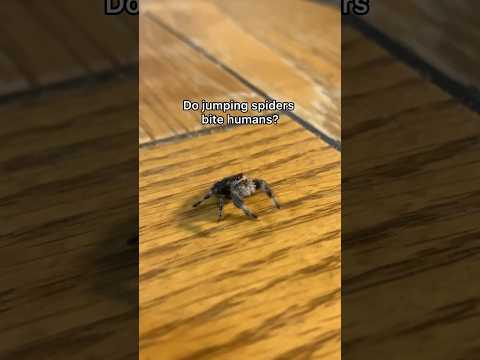
Jumping spiders belong to the family Salticidae. They’re known for their amazing jumping ability, which they use to catch prey or escape danger. These spiders come in various colors and patterns, making them pretty unique!
Bite Characteristics
If a jumping spider bites you, it might feel like a small pin prick at first. The bite usually doesn’t hurt much, and you may find some mild redness or swelling around the area.
Most importantly? Serious reactions are rare. Unlike some other spider bites that can cause intense pain or serious health issues, jumping spiders generally aren’t dangerous.
Symptoms of a Bite
So what should you watch out for? Typical signs include:
- Mild pain at the bite site
- Slight swelling and redness
- Possible itching
- A lump that appears and fades quickly
Treatment Options
If you’re bitten, don’t panic. Wash the bite area with soap and water first. Applying an ice pack can help relieve swelling too. Over-the-counter pain relievers like ibuprofen or acetaminophen could be helpful if there’s discomfort.
Might Allergies Play a Role?
You know how some folks have allergies? Well, it could be true with spider bites as well! In rare cases, someone might have an allergic reaction that leads to more severe symptoms—like difficulty breathing or hives.
A Few Misconceptions to Clear Up
A common myth is that all spiders are deadly or should be feared. Fact is: most of them are harmless helpers in our ecosystem! They control pests by eating insects.
No need to keep your home spider-free unless they really bother you; just gently catch them and release outside if they’re in your way.
Final Thoughts on Jumping Spider Interactions
If you’re ever bitten by one of these little critters, remember that the impact is typically minimal—just like getting nicked by a thorn on a bush! Keep calm and take proper care of yourself.
Captivating Close-Ups of Nature’s Tiny Predators in Action
Understanding Jumping Spider Bites
Hey, so you might have questions about jumping spiders and their bites. Let’s break it down a bit. First off, jumping spiders are small critters, usually less than an inch long. They have excellent vision and are known for their impressive leaps.
What Happens When They Bite?
The thing is, jumping spiders bite only when they feel threatened. Their bites can hurt a little but are generally not dangerous to humans. The pain feels similar to a bee sting in most cases. You might notice some redness or swelling around the area too.
Symptoms of a Bite
- Pain at the bite site
- Redness and swelling
- Itching or irritation
You know, in rare cases, some people might have an allergic reaction. If that happens, you could experience more severe symptoms like difficulty breathing or excessive swelling.
Treatment Options
If you do get bitten, it’s often enough to wash the area with soap and water. You can apply ice to reduce swelling and take over-the-counter pain relief if you need to. Just keep an eye on it!
Mistakes About Jumping Spiders
Honestly, there’s a lot of myth around these little guys. Some folks thought they were venomous killers like their larger relatives, but that’s just not true! Their venom is primarily for hunting smaller prey.
Conclusion: Appreciate But Don’t Fear Them!
So next time you spot a jumping spider while hiking or even in your garden, remember: they’re more interested in chasing down tiny insects than messing with us. If you’re mindful and respectful of nature’s tiny predators, you’ll both be just fine!
Exploring the Sting of Nature’s Tiny Predators
Understanding Jumping Spider Bites
Jumping spiders are fascinating little creatures. They can be found almost everywhere, from gardens to homes. You might even spot them chilling on walls or creeping around your plants. But what happens if one decides to bite you?
What Does a Jumping Spider Bite Feel Like?
When a jumping spider bites, it can sting a bit, but don’t panic! The bite is usually not serious. Many people describe the pain as similar to a pinprick or even like a mosquito bite—it can be annoying, sure, but it often doesn’t cause major harm.
Symptoms to Watch For
After getting bitten, you may notice some redness and swelling around the area. Itching could happen too! Most symptoms should vanish within a few hours to days. If they last longer or get worse, then it might be worth checking in with someone who knows about health issues.
Why Do They Bite?
You know how sometimes we react when feeling threatened? Well, jumping spiders do too! They typically bite only when they feel cornered. If you leave them alone, they’re likely to stay chill.
Treating a Bite
If you’ve been bitten, first rinse the area with soap and water—just like washing your hands. You can apply a cold pack wrapped in cloth for relief against swelling. Over-the-counter pain relievers could help ease discomfort as well.
Misperceptions About Their Venom
Some folks might think all spider bites are deadly or cause severe reactions; this isn’t true for most jumping spiders. Their venom is mainly used for hunting prey rather than harming humans. It’s kind of like how some animals develop unique traits just for survival.
When To Seek Help
If you notice any signs of an allergic reaction—like difficulty breathing or swelling beyond the bite site—it’s really important to get medical help right away. Those situations can be serious and need professional attention.
A Final Thought on Nature’s Tiny Predators
Jumping spiders may look intimidating at first glance with those big eyes and long legs—but honestly? They’re more curious than dangerous! Understanding their behavior helps us coexist peacefully with these tiny predators.
Jumping spiders are fascinating creatures. They’re often small, but they can be quite bold and agile. If you find one in your home or garden, you might wonder what would happen if it bites.
First, it’s important to know that most jumping spider bites are harmless to humans. You see, their fangs are usually too small to penetrate human skin effectively. Even if they do manage a bite, the effects are typically mild—think of a bee sting; some swelling and redness may occur around the area.
However, everyone’s body reacts differently. Some folks may experience allergic reactions or heightened sensitivity to insect bites in general. In those cases, symptoms could escalate a bit more. It’s also worth noting that if a bite occurs and signs of infection arise—like increasing pain, fever, or pus—it’s best to seek medical attention.
If you’re bitten by a jumping spider (or really any spider), washing the area with soap and water is crucial. Applying ice can help reduce swelling as well. Over-the-counter pain relievers can ease discomfort too.
An interesting aspect is how this plays into our fascination with spiders overall. These creatures actually play important roles in controlling pest populations like flies and mosquitoes—so they have value in our ecosystems!
In essence, while jumping spider bites aren’t something to panic over, being prepared and understanding what’s typical can help alleviate fears surrounding these eight-legged little friends.