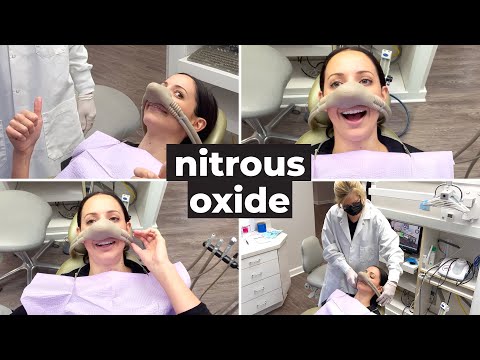
Have you ever heard of laughing gas? It might sound like something out of a comedy sketch, but it’s actually a commonly used substance in medical and dental settings. Officially known as nitrous oxide, this sweet-smelling gas can help ease anxiety and reduce pain during procedures. But before you consider trying it, there’s a lot to understand.
Using laughing gas can create feelings of euphoria—hence the name—but it’s not all fun and games. It’s important to recognize that while many people have positive experiences, others may react differently. Understanding how it works and its effects on your body is essential before making any decisions.
If you’re curious about laughing gas, take the time to educate yourself. Talk to healthcare professionals and read reliable resources from different media outlets. Knowledge is your best friend when considering any substance or treatment.
Be cautious: Although laughing gas is considered safe for most people when used correctly, it isn’t for everyone. Misuse can lead to serious health risks. Always consult with various specialists—dentists, anesthesiologists, or even pharmacists—to ensure you make an informed choice that’s right for you. Stay curious but stay safe!
The information provided in this article is intended solely for general informational and educational purposes. It does not constitute medical advice, diagnosis or professional treatment, and should not be considered a substitute for consultation with a qualified doctor or other licensed healthcare professional. Any health-related decisions should be made in consultation with accredited medical professionals.
While efforts have been made to ensure the information is accurate and up to date, no guarantees are given—either express or implied—regarding its accuracy, completeness, currency or suitability. Use of this information is at your own discretion.
It is strongly recommended to consult official sources such as the NHS (National Health Service) or other recognised medical institutions before acting on any information contained on this website or article. Under no circumstances should professional medical advice be ignored or delayed due to content read here.
This content is of a general and informational nature only. It is not intended to replace individualised guidance from a healthcare professional or to establish any doctor-patient relationship. The publication of this information does not imply any professional responsibility, guarantee or obligation on the part of the author or this site.
Essential Insights for a Relaxed Experience with Laughing Gas
Laughing gas, or nitrous oxide, is commonly used in dental and medical settings to help people relax. Understanding what it is and how it works can make your experience more enjoyable.
First, let’s talk about what laughing gas does. It calms you down and can create a feeling of euphoria. Think of it like a cozy blanket on a cold day—it helps ease discomfort.
Before using laughing gas, it’s important to discuss your medical history with the provider. This helps ensure there are no underlying health concerns that could complicate its use.
Here are some
to remember:
It’s natural to feel nervous before any procedure. Knowing that laughing gas is used for comfort might help ease those jitters.
Many people wonder if they’ll lose control while using laughing gas. It’s not like being completely out of it; you’ll still be aware of your surroundings and able to respond.
Some people do experience mild side effects such as dizziness or nausea. This isn’t very common but it’s good to be prepared just in case.
Make sure you have someone who can drive you home after your appointment if necessary. Although most people feel fine after using laughing gas, it’s always better to play it safe.
It’s also essential not to mix laughing gas with alcohol or other substances without professional guidance. Mixing can lead to unpredictable reactions.
In summary, knowing what to expect from laughing gas can help create a relaxed experience. The key is communication with your provider and understanding how the process works. Stay informed and don’t hesitate to ask questions—you deserve a comfortable visit!
Essential Tips for a Safe and Enjoyable Experience
Trying something new, like laughing gas, can be exciting. It’s important to stay safe and informed. Here are some tips to help you have a good experience.
Choose the Right Setting
Pick a reliable place for your experience. A dentist’s office or a qualified clinic is often best. Make sure they follow safety guidelines.
Know What to Expect
Laughing gas, or nitrous oxide, usually makes you feel relaxed and a bit giggly. Understand that reactions can vary from person to person.
Discuss Your Health
Be honest about your medical history. Conditions like respiratory issues or certain medications can influence how you react to laughing gas.
If You’re Nervous, Communicate
Talk openly with the staff about any fears or concerns you have. They can offer support and reassurance to help ease your mind.
Drinking alcohol before using laughing gas may heighten its effects in ways you might not want. It’s best to steer clear of alcohol beforehand.
During the experience, focus on normal breathing. Trying too hard can make things feel strange or uncomfortable.
Stay Hydrated
Drink water before and after your experience. Staying hydrated helps with overall well-being and comfort during any procedure involving laughing gas.
Have Someone With You
If possible, bring a friend or family member along for support. They can help reassure you and provide guidance afterward if needed.
Avoid Driving Immediately After
Laughing gas may impair your ability to drive for a short time after use. Plan ahead for transportation so you don’t have this worry.
Create a Positive Environment
Surround yourself with calming music or familiar faces if possible. A comfortable setting enhances the overall experience.
Remember, everyone reacts differently to substances like laughing gas. Listening to your own body is key! Stay curious but cautious, ask questions, and prioritize safety above all else.
Unpacking the Quirky Effects of Nitrous Oxide
Nitrous oxide, often called “laughing gas,” is a colorless gas that can produce a range of effects on the mind and body. It’s commonly used in dental procedures and as an anesthetic during labor. But what exactly happens when you inhale it?
When nitrous oxide enters your body, it affects the central nervous system. This leads to feelings of euphoria and relaxation, which is why many people might giggle or laugh while using it. Think of it as a temporary escape from reality.
However, its effects extend beyond just laughter. It can also reduce pain perception. This is partly why it’s effective during medical procedures. Many report feeling lightheaded or even tingly sensations.
While nitrous oxide can be enjoyable and helpful in certain contexts, it’s important to use it responsibly. Overuse can lead to negative side effects like dizziness, nausea, or confusion.
Here are some key points to remember:
Some myths surround nitrous oxide too. For example, it’s not harmless because it’s used in hospitals. Misusing any substance comes with risks.
Inhaling nitrous oxide without proper supervision could lead to serious consequences like lack of oxygen or even damage to your nervous system if done excessively.
Always talk about any questions with trained professionals before trying laughing gas—or anything else! Stay informed and make decisions based on facts rather than myths or fads.
In summary, while nitrous oxide offers unique experiences and benefits in controlled environments, it’s crucial to approach its use with caution and understanding.
Laughing gas, or nitrous oxide, is often used in dental and medical settings to help patients relax. While it can be an effective way to alleviate anxiety and discomfort, understanding its implications is crucial before considering its use.
Firstly, it’s important to know that laughing gas works quickly. You feel its effects within minutes, creating a sense of euphoria and calmness. This can make dental work or minor procedures much more bearable.
However, not everyone is a candidate. Certain health conditions or medications may interact poorly with nitrous oxide. It’s essential to discuss your medical history with your provider beforehand.
Another point to consider is the risk of misuse. Some individuals may seek out nitrous for recreational use, which can lead to unsafe practices and potential health risks. Responsible use in a controlled environment is key.
After the procedure, most people recover quickly with minimal side effects. Yet occasional dizziness or nausea can occur as you come down from the gas.
In summary, while laughing gas can be a helpful tool for easing anxiety during procedures, it should be approached with knowledge and caution. Always engage in open conversations with healthcare providers about any concerns or questions regarding its use. Being informed empowers you to make better health decisions for yourself.