The information provided in this article is intended solely for general informational and educational purposes. It does not constitute medical advice, diagnosis or professional treatment, and should not be considered a substitute for consultation with a qualified doctor or other licensed healthcare professional. Any health-related decisions should be made in consultation with accredited medical professionals.
While efforts have been made to ensure the information is accurate and up to date, no guarantees are given—either express or implied—regarding its accuracy, completeness, currency or suitability. Use of this information is at your own discretion.
It is strongly recommended to consult official sources such as the NHS (National Health Service) or other recognised medical institutions before acting on any information contained on this website or article. Under no circumstances should professional medical advice be ignored or delayed due to content read here.
This content is of a general and informational nature only. It is not intended to replace individualised guidance from a healthcare professional or to establish any doctor-patient relationship. The publication of this information does not imply any professional responsibility, guarantee or obligation on the part of the author or this site.
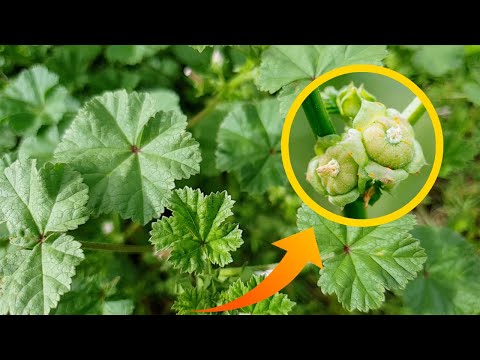
Mallow: Benefits, Risks, and Health Insights You Should Know
Have you ever heard of mallow? It’s this unassuming plant that could just be hiding some impressive health benefits. Honestly, many people overlook it. But that’s a mistake!
Mallow has been used for ages in traditional medicine, and it’s time more folks got to know about it. From soothing your stomach to calming irritated skin, its properties could be helpful for various everyday issues.
But hold on a sec—it’s not all sunshine and rainbows. Just like anything else in life, there are risks involved too. What works wonders for one person might not do the same for another.
This article will break down the benefits of mallow, highlight potential risks, and give you some health insights that are easy to digest. Remember though: while the information here is intriguing, it doesn’t replace professional medical advice. Always consult a healthcare provider before making any changes to your health routine.
You deserve clear answers about what goes into your body, don’t you? Let’s dig into the world of mallow together!
Unlock the Secrets to Radiant Skin with Nature’s Gentle Touch
Mallow: A Look at Its Benefits for Skin Health
Mallow, a flowering plant often found in gardens, has been used for centuries in herbal remedies. It’s well-known for its soothing properties. This is partly because of the mucilage it contains, a gelatinous substance that can help to hydrate and protect the skin.
One of the main benefits is its anti-inflammatory effects. You know how sometimes your skin gets red or irritated? Well, mallow can help calm that down! It’s like having a comforting blanket on a chilly day.
Hydration and Moisture
You might have heard about how important hydration is for radiant skin. Mallow has natural moisturizing properties, making it a great option if you’re looking to keep your skin supple and soft. Think about how dry leaves seem crinkled—hydrated leaves are vibrant and full of life!
Antioxidants to the Rescue
This plant also contains antioxidants. These compounds help protect your skin from damage caused by free radicals—those pesky little molecules created by pollution or even sunlight. Using products with mallow extracts might help keep your skin looking fresh over time.
Risks and Precautions
Now, while mallow does have benefits, it’s essential to be aware of potential risks too. Some people may have allergies to particular plants, including mallow. If you’ve never tried it before, maybe do a patch test first? Just apply a small amount on your arm and see if there’s any reaction after 24 hours.
If you’re using any concentrated extracts or supplements, always read labels carefully. Not everything labeled as “natural” is free from potential side effects or interactions with other medications you might be taking.
Mallow in Your Routine
If you’re considering adding mallow to your skincare routine, look for creams or lotions that feature it among their ingredients. One valuable tip: check how high up the ingredient list mallow is; this usually indicates how much of it’s included!
A Natural Touch vs. Medical Care
While natural ingredients like mallow can contribute positively to skincare regimens, they shouldn’t replace professional medical advice when dealing with serious conditions like eczema or acne.
The thing is, radiant skin often comes down to overall health—hydration, nutrition choices, and proper sun protection play significant roles too!
Unlock the Secrets of Blue Mallow Flower Tea for Wellness and Relaxation
Understanding Blue Mallow Flower Tea
Hey there! If you’ve heard of blue mallow flower tea, you’re not alone. This beautiful deep-blue tea, also known as mallow or malva, comes from the flowers of the Malva sylvestris plant. But what’s in it for your wellness? Let’s take a closer look.
Potential Benefits
So, what can this tea do for you? Many people enjoy its soothing qualities. The tea is often associated with relaxation. Some folks drink it after a long day to help wind down. It has a mildly sweet taste, which can be comforting.
A lot of herbal teas have antioxidants. These are compounds that help fight off damage to your cells from free radicals—think of them as tiny invaders in your body. Blue mallow is reported to contain these compounds too.
There’s also talk about its anti-inflammatory properties. Inflammation is part of your body’s response to injury or illness, but chronic inflammation can lead to health issues over time. Drinking blue mallow might help soothe that inflammation but more research is needed.
How It’s Made
The way you prepare this tea can make a difference in how you enjoy it. Simply steeping the dried petals in hot water brings out its vibrant color and flavor. Feel free to add honey or lemon for extra zing!
Risks and Considerations
Now, let’s not forget that something natural isn’t always risk-free. While many people find blue mallow enjoyable, it’s important to note that individual reactions can vary.
- If you’re pregnant or nursing, consult someone with expertise before trying new herbal teas.
- Allergic reactions are possible—particularly if you have sensitivities to plants from the mallow family.
- If you’re taking medications like blood thinners or diuretics, check with someone knowledgeable first since they could interact.
A Few More Insights
Sometimes I hear myths around herbal teas being completely harmless just because they’re natural. That’s not entirely true! It’s essential to consider quality sources and avoid overly processed versions of these products.
Also, moderation is key! Drinking large amounts may lead to gastrointestinal discomfort for some individuals—and nobody wants that after a nice cup of tea!
Final Thoughts
You know how relaxing it feels when you sip on a warm cup at the end of the day? Blue mallow flower tea could potentially be part of those moments—but always remember it’s just one option among many!
If you’re curious about adding it into your routine… well then maybe start small and pay attention! Ultimately, listening to your body is crucial when exploring any new wellness trends.
Discover the Surprising Health Boosts of Malva Leaves
Understanding Malva Leaves
Malva leaves, also known as mallow, are often overlooked in the world of health benefits. They have a long history of use in traditional medicine. You might wonder how something so simple can have surprising perks for your wellbeing.
Nutritional Value
First off, malva leaves are rich in vitamins and minerals. They contain vitamin C, which is great for your immune system, and some B vitamins that help with energy production. Ever felt sluggish? Sometimes it’s just a dip in those essential vitamins.
Antioxidant Properties
The thing is, malva leaves are packed with antioxidants. Antioxidants help fight free radicals—unwanted molecules that can lead to cell damage. Think of them like tiny shields protecting your cells from harm.
Digestive Health
You might be surprised to learn that these leaves could promote digestive health too. Many people use them as a mild laxative or to soothe stomach issues. Imagine having something natural at hand for those days when your tummy feels off.
Respiratory Benefits
Malva has also been used traditionally for respiratory problems like coughs or sore throats. It’s believed to have soothing properties that can ease irritation. Just think about how comforting a warm cup of tea is when you’re feeling under the weather.
Potential Risks
No plant is without its concerns though! Some people may experience allergic reactions or sensitivity to malva leaves. If you notice any odd symptoms after trying them, best give your body some time before diving back in!
Culinary Uses
A fun aspect of malva leaves? They’re edible! In some cultures, they’re used in salads or cooked dishes. It’s neat how you can introduce something beneficial into meals without much fuss.
A Word on Herbal Remedies
If you’re considering adding malva leaves to your routine, it’s wise to chat with someone knowledgeable about herbs first—especially if you’re pregnant or on medication. Remember, herbs can interact with other treatments in ways you might not expect.
Your Takeaway
Malva leaves show a lot of promise when it comes to health benefits—from nutrition support to soothing effects on the digestive system and respiratory function! Yet they aren’t without risks and should be respected as part of your overall health journey.
Mallow: Benefits, Risks, and Health Insights You Should Know
Mallow, a common plant often overlooked in gardens, is much more than just a pretty face. It’s packed with numerous health benefits. Many cultures have used mallow for centuries due to its soothing properties. You know, it’s valued for treating respiratory issues and digestive problems. Isn’t that interesting?
So, what exactly can it do? Mallow is known for its anti-inflammatory properties. This means it could help reduce swelling and irritation in your body. Think of it like putting ice on a sprained ankle; it brings relief where you need it most.
Another fantastic aspect is its high mucilage content. Mucilage is a thick, gel-like substance that can coat the stomach and soothe the digestive tract. If you’ve ever had an upset stomach, this might be something you’d look into using.
But hey, while mallow has its perks, there are risks too. Some people may experience allergic reactions or gastrointestinal discomfort after consuming it. Always listen to your body! If something feels off after trying new foods or herbs like mallow, consider reaching out to someone who knows about these things.
Moreover, it’s essential to ensure that any plants you use are sourced from safe areas—free of pesticides or other harmful chemicals. Think about where your food comes from; quality really does matter.
Incorporating mallow into your diet isn’t complicated either! It can be added to teas or salads for an extra boost of nutrition without being overwhelming in flavor.
So overall? Mallow can be a valuable ally in promoting health when used mindfully. Just remember balance is key: exploring new foods should always come with a pinch of caution and personal awareness.