The information provided in this article is intended solely for general informational and educational purposes. It does not constitute medical advice, diagnosis or professional treatment, and should not be considered a substitute for consultation with a qualified doctor or other licensed healthcare professional. Any health-related decisions should be made in consultation with accredited medical professionals.
While efforts have been made to ensure the information is accurate and up to date, no guarantees are given—either express or implied—regarding its accuracy, completeness, currency or suitability. Use of this information is at your own discretion.
It is strongly recommended to consult official sources such as the NHS (National Health Service) or other recognised medical institutions before acting on any information contained on this website or article. Under no circumstances should professional medical advice be ignored or delayed due to content read here.
This content is of a general and informational nature only. It is not intended to replace individualised guidance from a healthcare professional or to establish any doctor-patient relationship. The publication of this information does not imply any professional responsibility, guarantee or obligation on the part of the author or this site.
Have you ever wondered if the tiny green leaves in your herbal tea could actually be doing something amazing for your health? It turns out that Gotu Kola, a plant used in traditional medicine, has been catching attention lately. People are curious about its potential benefits and how it might impact their well-being.
This article is all about understanding Gotu Kola—its benefits, possible risks, and insights that matter to you. We’ll explore what studies say and break down this complex topic into simple bites that anyone can grasp.
But hey, let’s keep it real: while this information is informative, it doesn’t replace professional medical advice. It’s always essential to consult a healthcare provider before making any changes to your health regimen. You know your body best, and having a chat with a doctor can help clarify what’s right for you.
So settle in; let’s take a closer look at Gotu Kola and see what all the buzz is about!
Essential Insights on the Risks of Gotu Kola Usage
Understanding Gotu Kola
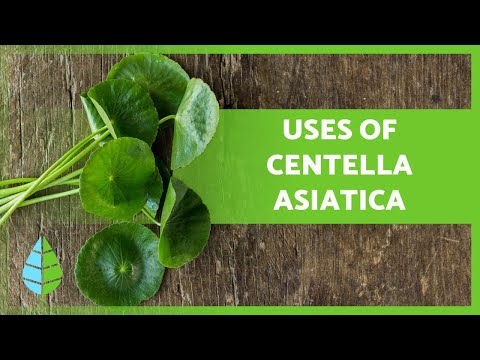
Gotu Kola, or Centella Asiatica, is a plant often used in traditional medicine. This herb is celebrated for its potential benefits, like promoting wound healing and enhancing mental clarity. Yet, it’s important to balance the positive aspects with potential risks.
Potential Benefits
People commonly use Gotu Kola to support skin health and circulation. Some believe it might also help with anxiety and cognitive functions. These claims stem from various studies that show promising results with this herb.
Possible Risks
While Gotu Kola has benefits, there are risks too. For instance, it can cause side effects like nausea or stomach upset in some cases. Also, if you’re pregnant or breastfeeding, it’s best to avoid it unless your healthcare provider says otherwise.
Allergic Reactions
A few people might experience skin irritation after using Gotu Kola topically. Allergic reactions can happen with any herb; look out for rashes or itching if you try it on your skin.
Liver Health Concerns
There have been reports linking excessive consumption of Gotu Kola with liver damage—though this seems rare. If you’re taking other medications or have existing liver problems, chatting with a healthcare professional is wise before starting this herb.
Interactions With Medications
If you’re taking blood thinners or anti-depressants, Gotu Kola may interact with those drugs. It’s crucial to be cautious about mixing the two without consulting someone knowledgeable.
Sourcing Quality Products
The quality of herbal supplements can vary greatly among products. Some may contain contaminants or inaccurate dosages. Always opt for reputable brands that ensure their products undergo third-party testing for purity and potency.
A Balanced Approach
The key to using Gotu Kola—or any herbal supplement—is moderation and informed decision-making. Start slow if you decide to give it a try and pay attention to how your body reacts over time.
Listen To Your Body
If you find yourself feeling unwell after taking Gotu Kola, it’s best to stop using it right away. Everyone’s body is different; what works for one person may not work for another!
The Bottom Line
You can explore the potentials of Gotu Kola while remaining aware of its risks. Like other herbs and supplements, staying educated will help make the best choices for your health journey.
Unlocking the Hidden Harmony of Mind and Spirit
Understanding Gotu Kola
Gotu Kola, or Centella Asiatica, is a small herb that’s been used in traditional medicine for centuries. Think of it like a leafy plant with delicate little leaves. People in Asia have praised its benefits for wellness and mental clarity.
Benefits of Gotu Kola
Some folks believe that Gotu Kola might help with stress and anxiety. It’s thought to support brain function, which means it could help you concentrate better. Isn’t that interesting? You know how taking a walk in nature can make you feel refreshed? Some say Gotu Kola has similar effects.
This herb is also associated with skin health. People sometimes use it topically to treat wounds or even reduce the appearance of scars. It’s like applying a soothing balm—bringing out your skin’s natural glow.
Potential Risks
But here’s the thing: not everything works for everyone. Some people might experience side effects from Gotu Kola, like stomach upset or headaches. And remember, if you’re pregnant or breast-feeding, it’s best to talk with someone before trying this herb.
Health Insights
The connection between mind and spirit is often emphasized in many cultures. Using herbs like Gotu Kola aligns with this belief by promoting mental calmness while physically nourishing the body. It might sound a bit mystical, but many find comfort in these natural remedies.
You might wonder about dosages and forms; honestly, they can vary quite a bit! Some prefer teas while others go for capsules or powders. Always check labels carefully if you decide to try it!
A Thought on Herbs and Lifestyle
Incorporating something like Gotu Kola into your routine could be part of an overall strategy for wellness—kind of like adding more fruits and veggies to your diet! But don’t forget: balance is key.
- Explore its benefits alongside other healthy habits.
- Listen to your body and take note of how you feel.
- If you’re curious about interactions with medications, just do your homework!
Your journey towards understanding mind-body harmony can be as simple as learning about what you put into your body – whether it’s food, herbs, or other practices that soothe the spirit.
This plant isn’t magic though; it’s just one piece of a larger puzzle pertaining to well-being. So keep questioning and stay curious!
Discover the Secret to Radiant Skin with Gotu Kola
Understanding Gotu Kola
Gotu kola, or Centella Asiatica, is a herb that’s been used in traditional medicine for ages. You might have heard of it being called “brahmi” or “Indian pennywort.” It’s popular in places like India and China. People love it for its potential to support skin health and overall well-being.
Benefits of Gotu Kola
One of the coolest things about gotu kola is its connection to skin healing. The plant has compounds called saponins. These can help improve the production of collagen—think of collagen as the building blocks for healthy skin. More collagen can mean fewer wrinkles and better elasticity.
A lot of people use gotu kola to soothe their skin. For example, some apply it topically to help with minor wounds or scars. It’s like putting on a natural band-aid! There are also claims that it can reduce inflammation, helping with conditions like eczema or psoriasis.
Risks and Considerations
It’s essential to keep in mind that not everything works for everyone. Some folks might experience allergic reactions when using gotu kola. It’s always smart, you know, to do a patch test before going all in with any new product.
If you’re considering taking gotu kola supplements, talk with your healthcare professional first—especially if you’re pregnant or breastfeeding. This helps make sure you’re making the best choice for your body.
How to Use Gotu Kola
You can find gotu kola in various forms: creams, ointments, teas or capsules. If you’re thinking about using it topically, just remember that quality matters! Look for products that are pure and free from funky additives.
Brewed tea is another option many enjoy; it’s kinda refreshing! Just steep some leaves or dried herb in hot water and sip away. But hey, drink what feels right for you.
The Bottom Line
The interest around gotu kola is growing because many believe it’s beneficial for skin health and healing. Just like any herbal remedy though, being informed is crucial. Research your sources carefully before committing.
//
An open dialogue with a healthcare provider can help clear up any confusion regarding its use so grasping at shadows won’t be necessary!
Understanding Gotu Kola: Benefits, Risks, and Health Insights
Gotu Kola, a plant often found in tropical regions, is known for its potential health benefits. It’s been used in traditional medicine for centuries. You might know it as a remedy for wounds or inflammation. But there’s more to it than just that.
Studies suggest that Gotu Kola may enhance cognitive function. People sometimes use it to improve memory and mental clarity. It’s like giving your brain a little boost, especially when you’re feeling foggy.
The plant is also reputed for its skin benefits. Some claim it promotes collagen production—a key element for skin health. Imagine Gotu Kola as nature’s skincare helper; it’s believed to support healing and even reduce scars.
But not everything about Gotu Kola is all rainbows and sunshine. There are risks involved. For some people, it can cause stomach upset or headaches. People with liver issues may need to avoid it altogether since there’s a connection between the herb and liver health that’s still being studied.
Moreover, since it’s known to affect blood circulation, those on anticoagulant medications should be careful. Mixing these could lead to complications—sometimes less is more when it comes to herbal remedies.
No matter how beneficial something seems, always approach with caution. It’s smart to consult with a healthcare professional before adding any new supplement like Gotu Kola into your routine.
In essence, while Gotu Kola offers interesting potential benefits—from enhancing cognition to improving skin health—it’s crucial to remain informed about its risks too. Balancing both perspectives gives us the clearest picture of how best to use this fascinating plant in our lives.