The information provided in this article is intended solely for general informational and educational purposes. It does not constitute medical advice, diagnosis or professional treatment, and should not be considered a substitute for consultation with a qualified doctor or other licensed healthcare professional. Any health-related decisions should be made in consultation with accredited medical professionals.
While efforts have been made to ensure the information is accurate and up to date, no guarantees are given—either express or implied—regarding its accuracy, completeness, currency or suitability. Use of this information is at your own discretion.
It is strongly recommended to consult official sources such as the NHS (National Health Service) or other recognised medical institutions before acting on any information contained on this website or article. Under no circumstances should professional medical advice be ignored or delayed due to content read here.
This content is of a general and informational nature only. It is not intended to replace individualised guidance from a healthcare professional or to establish any doctor-patient relationship. The publication of this information does not imply any professional responsibility, guarantee or obligation on the part of the author or this site.
Have you ever wondered if there’s a better alternative to traditional menstrual products? It’s a question many people ask, especially with the rise in popularity of menstrual cups. These little wonders can change the way you experience your period.
Look, menstrual cups are eco-friendly, cost-effective, and surprisingly easy to use. Yet, feeling intimidated by them is totally normal. Maybe you’re unsure about insertion or how to care for them properly. Honestly, it can be a bit overwhelming with all the information out there.
This article is here to help! We’ll break down everything you need to know about using a menstrual cup—from how to insert it comfortably to caring for it between cycles. You deserve a hassle-free experience during your period!
Remember though: this content doesn’t replace medical advice. It’s essential to consult with a healthcare professional for personal guidance tailored just for you. So let’s dive into mastering this game-changing product together!
Your Ultimate Guide to Comfort and Confidence During Your Period
Getting your period is a natural part of life, but it can be uncomfortable and sometimes overwhelming. One option that many people are exploring is the menstrual cup. It’s eco-friendly and can provide some serious comfort during that time of the month.
What is a Menstrual Cup?
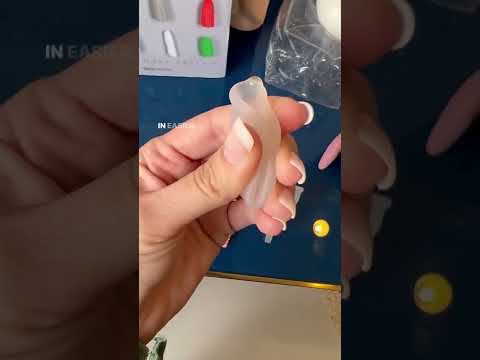
A menstrual cup is a small, flexible cup made of medical-grade silicone, rubber, or plastic. It’s designed to collect menstrual fluid rather than absorb it like tampons or pads. Think of it as a tiny container that you insert into your vagina.
Why Use a Menstrual Cup?
Many find them comfortable, and honestly, they can hold more fluid than conventional products. Some people say they feel freer with no leaks during activities like swimming or running. Plus, they can last for years if taken care of properly—pretty neat right?
Insertion: How Does It Work?
Inserting a menstrual cup might feel strange at first, but don’t worry—it’s all about practice! Start by washing your hands well. Then fold the cup in half to make it smaller; this often makes insertion easier.
You can try different folds—some prefer the C-fold while others like the punch-down fold. Once it’s folded, gently push it into your vagina at an angle towards your tailbone. It should pop open inside you.
How Do I Know It’s in Right?
A good sign that it’s in correctly? You shouldn’t feel discomfort at all. If you do feel it or pressure in your lower abdomen, then try adjusting it or reinserting it altogether.
Caring for Your Menstrual Cup
Cleansing is key! After every cycle, boil your cup in water for around five to ten minutes to sanitize it. Between uses during your period, just rinse with water or use mild soap—stay away from harsh chemicals!
Troubleshooting Common Issues
- Leakage: This could mean it’s not sealed properly. Check whether it’s opened up fully!
- Pain: If you experience pain during usage, check positioning; maybe try a different fold.
- Difficult Removal: Don’t panic! Try squeezing the base gently to break the seal before pulling it out.
The Bottom Line
If you’re curious about using a menstrual cup but hesitant due to myths—you’re not alone! Many feel intimidated at first but rave about their experience once they get used to them.
The thing is everyone’s body is different; what works perfectly for one might not work for another. So just give yourself grace while navigating this new option; finding what feels right could take time!
Your comfort and confidence are important during your period; exploring options like menstrual cups may enhance both significantly! Don’t hesitate too reach out with questions as you begin this journey!
Unlock a New Level of Comfort and Convenience During Your Cycle
Understanding Menstrual Cups
So, you’ve heard about menstrual cups and wonder how they work? They’re a form of period product that collects, rather than absorbs, your menstrual fluid. Think of it like a little silicone or rubber bell that sits snugly in your vagina. It’s reusable, which means it’s more eco-friendly than pads or tampons.
Why Choose a Menstrual Cup?
One reason many people opt for menstrual cups is comfort. Once you get the hang of inserting it, you might forget it’s even there! Plus, they can hold more fluid than most tampons or pads, allowing for longer wear time—up to 12 hours in some cases.
Getting Started: Insertion
Okay, let’s talk about how to insert one. First off, wash your hands before handling the cup. You want everything clean, right? Then fold the cup in a way that makes it easy to slide in. There are different folding techniques; some folks prefer the ‘C’ fold or the ‘punch-down’ fold.
Once folded, with one foot on the toilet seat or squatting down sounds good for positioning. Relax those muscles! You’ll gently push the cup into your vagina and let it pop open when it’s fully inside. It should create a seal around your cervix—if done correctly, you won’t feel any discomfort.
Caring for Your Cup
Cleansing your menstrual cup is super important too. After each cycle ends, boil the cup for about 5-10 minutes to sterilize it—just like making pasta! During your period? Rinse it with water and mild soap when needed.
Pumping Up Comfort
If you’ve tried everything but still feel uncomfortable with your cup during use? Maybe consider trying a different size or brand. Everyone’s body is unique; what works for one person might not work for another!
A Few Common Myths
- You can’t use them if you’re a virgin:This isn’t true! Many people of all ages and experiences use menstrual cups.
- The suction will harm you:This myth often scares newbies away. If inserted properly, there’s no risk of injury.
- You can’t pee with it in:No need to worry! The anatomy allows both processes to coexist comfortably.
Your Experience Matters
You know what? Every person’s experience will vary based on their anatomy and preferences. It might take time to find out what feels best for you—don’t rush yourself!
Final Thoughts
If you’re feeling skeptical about trying something new or have questions as you start this journey with menstrual cups? That’s totally normal! Chatting with friends who use them or exploring reviews online can help make an informed decision.
Your Guide to Effortless Period Care and Sustainable Choices
Menstrual cups are really gaining popularity these days, and for good reason. They’re eco-friendly, cost-effective, and pretty convenient once you get the hang of it. But let’s break it down a bit.
What is a Menstrual Cup?
Think of a menstrual cup as a little flexible cup that you insert into your vagina during your period. It collects blood instead of absorbing it like tampons or pads do. Made from silicone or rubber, these cups can last for years with proper care.
Insertion—is It Difficult?
Not at all! Inserting a menstrual cup might seem daunting at first but it’s just like riding a bike—you need some practice. First, make sure your hands are clean. Then, fold the cup using one of several techniques—like the C-fold or punch-down fold—before inserting it into your vagina.
- Find a comfortable position: You might want to squat or sit on the toilet.
- Relax! Tension makes insertion harder.
- Once inserted, make sure it pops open fully to create a seal.
Caring for Your Menstrual Cup
Caring for your cup is essential for hygiene and longevity. After each use, rinse it with water if possible. At the end of your cycle, wash it with mild soap and boil it in water for about 5-10 minutes to disinfect.
- Avoid harsh chemicals or fragrances—they can cause irritation.
- Store your cup in a breathable bag when not in use; avoid airtight containers.
Sustainability Aspect
You might be wondering about sustainability. The thing is, many disposable products end up in landfills where they take years to decompose. Using a menstrual cup drastically reduces waste because you won’t buy pads or tampons every month!
Misperceptions About Use
There’s some common misconceptions around menstrual cups that we should clear up too; like thinking they’re only for experienced period-havers or only suitable for those who’ve given birth. Nope! They can be used by anyone who menstruates.
If It’s Not Working…
If you experience discomfort while using your cup, don’t fret! It could just need adjusting or maybe it’s not positioned quite right. Sometimes trying different sizes can make all the difference too since everyone’s anatomy is unique!
Your Personal Experience Matters
No two experiences with a menstrual cup are the same; yours will be unique to you! Listen to your body and give yourself time to adjust—it takes practice and patience!
A Final Thought
The shift towards sustainable choices often starts small; switching to a menstrual cup could be one step on that path. Just remember—the goal here is comfort and ease during something that affects half the population monthly!
Menstrual cups are becoming increasingly popular among individuals seeking sustainable and convenient menstrual management options. They offer some distinct advantages over traditional products like pads and tampons. For one, they can hold more fluid, meaning fewer changes throughout the day.
Insertion might seem tricky at first, but with practice, many find it quite simple. A relaxed body is crucial, so take a deep breath! Folding the cup correctly helps it slide in smoothly. Once inserted, you should feel no discomfort—if you do, it may not be positioned right.
Care is another key factor in using menstrual cups effectively. Regular cleaning is essential to prevent infections and maintain hygiene. Rinsing with water before insertion and boiling the cup between cycles keeps everything fresh and safe.
There’s a bit of a learning curve that varies from person to person. Some might struggle at first; others take to it right away. Finding what works for you makes all the difference.
Despite occasional myths surrounding their use—like the idea they can get lost inside—the reality is that your cervix stops them from going too high up. If you’re curious about making the switch, give yourself some time to adjust!