The information provided in this article is intended solely for general informational and educational purposes. It does not constitute medical advice, diagnosis or professional treatment, and should not be considered a substitute for consultation with a qualified doctor or other licensed healthcare professional. Any health-related decisions should be made in consultation with accredited medical professionals.
While efforts have been made to ensure the information is accurate and up to date, no guarantees are given—either express or implied—regarding its accuracy, completeness, currency or suitability. Use of this information is at your own discretion.
It is strongly recommended to consult official sources such as the NHS (National Health Service) or other recognised medical institutions before acting on any information contained on this website or article. Under no circumstances should professional medical advice be ignored or delayed due to content read here.
This content is of a general and informational nature only. It is not intended to replace individualised guidance from a healthcare professional or to establish any doctor-patient relationship. The publication of this information does not imply any professional responsibility, guarantee or obligation on the part of the author or this site.
Have you ever thought about how some people eat without using their mouth? Sounds strange, right? Well, we’re talking about feeding tubes, specifically gastrostomy tubes. This might seem like a complex topic, but honestly, it impacts many people’s lives in profound ways.
A gastrostomy tube helps provide nutrition directly to the stomach when someone can’t eat normally. Maybe it’s due to a medical condition or a temporary issue. Understanding how they work is key for anyone who might be facing this situation for themselves or a loved one.
This article will break down what a feeding tube insertion involves and why it matters. You’ll learn the benefits of gastrostomy, what the procedure looks like, and what to expect during recovery.
Knowledge is power; feeling informed can ease your worries! Just remember though: this content isn’t a substitute for professional medical advice. Always talk to your healthcare provider before making any health decisions.
A Simple Guide to Providing Nourishment Directly to the Stomach
Feeding tubes can seem a bit intimidating at first, but they serve an essential purpose. They help deliver nutrition when a person can’t eat normally. Imagine your stomach as a garden that needs watering. If it doesn’t get water, it wilts.
What is Gastrostomy?
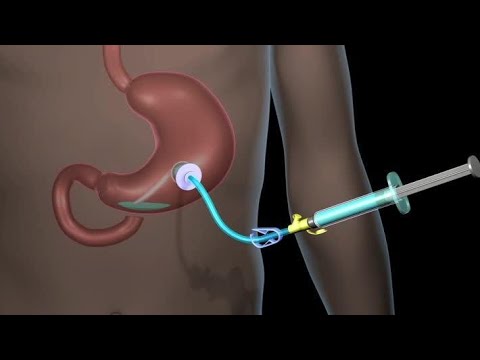
Gastrostomy refers to creating an opening in the abdomen directly into the stomach. This allows for feeding through a tube. It’s like making a little door for food when someone can’t swallow or digest properly.
Why is a Feeding Tube Necessary?
Sometimes, medical conditions make eating by mouth difficult or even impossible. Conditions like stroke, advanced dementia, or certain cancers could interfere with swallowing. A feeding tube ensures that the body still gets the necessary nutrients.
The Insertion Process
The insertion of a gastrostomy tube typically happens in a hospital setting. Doctors often use endoscopy, which means they’ll look inside using a camera and guide the tube into place.
- A local anesthetic is usually given to numb the area.
- The doctor makes a small incision in the belly.
- After carefully placing the tube, it’s secured to prevent movement.
It may sound scary, but this process is common and often done successfully every day around the world.
Caring for the Feeding Tube
Caring for one of these tubes is crucial to avoid infections or blockages. Regular cleaning around the insertion site helps maintain hygiene. Think of it like keeping your garden tidy so nothing grows where it shouldn’t!
- Wash your hands before handling anything related to the tube.
- Clean around the site with mild soap and water regularly.
- Avoid using harsh chemicals which might irritate the skin.
Nourishment Through Feeding Tubes
Feeding through these tubes can involve special formulas tailored to individual health needs. They come in different types: some are liquid nutrition while others may need mixing before use. It’s similar to preparing food based on someone’s taste or dietary requirements!
Potential Complications
No medical procedure comes without risks. Some individuals might experience complications like infection at the site or discomfort from dislodgment of the tube; however these are manageable with proper care and follow-up consultations with healthcare providers.
The Emotional Aspect
You know, having a feeding tube can be emotionally challenging as well as physically demanding for patients and families alike. It’s important that caregivers provide emotional support during this adjustment period—just remember that nourishment means health and maintaining strength!
Your Takeaway
If you find yourself navigating this journey—whether for yourself or a loved one—ensure you stay informed and communicate openly with healthcare teams about concerns or challenges you face along way! Knowledge enhances confidence immensely!
Unpacking the Basics of Feeding Tubes: Understanding GI and Gastrostomy Differences
Unpacking the Basics of Feeding Tubes
Feeding tubes are helpful medical devices, used when individuals can’t eat by mouth. They provide nutrition directly to the stomach or intestines. Two common types are gastrointestinal (GI) tubes and gastrostomy tubes. Let’s break down what these terms mean.
What Are Gastrointestinal Tubes?
GI tubes are often temporary solutions for feeding. They’re usually inserted through the nose and extend into the stomach or small intestine. Think of it like a straw that can deliver liquid nutrition. These are quick and easy to place but might be uncomfortable.
Gastrostomy Tubes Explained
A gastrostomy tube is different because it’s a more permanent option. This tube goes directly into the stomach through an opening in the abdomen, created during a minor surgical procedure. Imagine having a window on your belly for food – that’s kind of how it works!
When Are They Used?
You might wonder when each type is appropriate. GI tubes are often used for short-term feeding needs, like after surgery or during recovery from an illness. On the other hand, gastrostomy tubes are better suited for long-term situations, such as chronic swallowing difficulties.
The Insertion Process
The method to insert them differs quite a bit too. For GI tubes, it’s often done bedside with minimal equipment; just a healthcare provider and some care skills needed! For gastrostomy tubes, it requires surgery in a sterile environment.
Potential Benefits and Challenges
- GI Tubes:
- Less invasive: They avoid a surgical procedure.
- Easier to remove if not needed anymore.
- Challenges:
- Might cause discomfort or nasal irritation.
- Gastrostomy Tubes:
- Suitable for long-term use: Less need for replacements.
- Easier nutritional management: Patients can resume normal routines.
- Challenges:
- Surgical risks involved: Infection or complications can occur.
Caring For Feeding Tubes
No matter which type you’re dealing with, proper care is crucial! It involves keeping the area clean and checking for signs of infection like redness or swelling around the insertion site. Always reach out to healthcare providers if unsure about something—it’s better to ask than risk complications!
Your Role in Nutrition Management
If you or someone you care about uses feeding tubes, understanding their function makes all the difference. It helps ensure that nutritional needs are met effectively while allowing time for recovery or managing chronic conditions. It’s all about making informed choices together!
The key takeaway? Knowledge really empowers you in managing health effectively! Understanding differences between GI and gastrostomy feeding devices allows better decisions tailored to individual needs and situations.
Discovering the daily rhythm of life with a feeding tube
Understanding Feeding Tubes
Feeding tubes, like gastrostomy tubes, are used when people can’t eat normally. They help provide nutrition directly into the stomach. This might sound a bit scary at first, but many people adapt to using them.
Why Use a Feeding Tube?
Sometimes, folks may have trouble swallowing due to conditions like stroke, cancer, or neurological disorders. In these cases, a feeding tube becomes essential. It ensures they get the nutrition they need without the risk of choking.
The Daily Rhythm
The daily rhythm with a feeding tube involves establishing a routine that works for you or your loved one. It’s kind of like having your own schedule—from meals to any care needed for the tube itself. Think of it as having an extra step in your daily routine.
What’s Involved?
- Feeding Schedule: Meals through the tube can be scheduled based on individual needs—some might prefer smaller meals throughout the day.
- Cleansing: Keeping the area around the tube clean is vital. A gentle wash with soap and water helps prevent infection.
- Monitoring: It’s important to check for any signs of issues with the tube or discomfort when feeding.
The Emotional Side
Adjusting to life with a feeding tube can be tough emotionally. Many people feel frustrated or embarrassed at first. Talking about these feelings is key; support from friends and family makes a huge difference.
Navigating Social Situations
You may wonder how eating out works when using a feeding tube. It’s totally normal! Some people find ways to plan ahead—like bringing their nutrition formulas or discussing options with restaurant staff beforehand.
Tips for Better Living
- Your Care Team: Regularly consult with your healthcare team about diet choices and tube management—they’re there to help you!
- Pacing Yourself: It’s okay to take things slow while adjusting; everyone moves at their own pace in adapting.
- Sparking Joy: Find ways to enjoy food visually and socially while using your feeding device—sometimes just being around others during meal times is enough!
Myths About Feeding Tubes
A common myth is that only elderly people use feeding tubes; however, they’re used by individuals of all ages—including kids and young adults! Also, some believe that needing a feeding tube means you won’t enjoy food anymore—that’s simply not true.
Pursuing Regularity With Balance
The key here is balance—finding what works best for you while maintaining good nutrition through this modified lifestyle isn’t always easy but is completely doable! Knowing you’re not alone in this journey helps too.
If you’re navigating life with a feeding tube, be kind to yourself during this transition period. Life doesn’t stop; it just shifts into another rhythm! Keep reaching out for support whenever necessary—you deserve it!
Understanding Feeding Tube Insertion: A Guide to Gastrostomy
Feeding tubes can seem daunting, but they’re often a lifeline for people who can’t eat by mouth. A gastrostomy is one type of feeding tube, inserted directly into the stomach through the abdominal wall. It’s typically used for patients with swallowing difficulties or certain medical conditions.
The procedure is usually performed under local anesthesia and involves making a small incision in the abdomen. It’s essential to ensure that the patient is stable and that all safety measures are in place. The tube allows nutrition to be delivered directly into the stomach, so patients can receive either liquid foods or medications as needed.
Understanding the reasons for gastrostomy helps demystify the process. For example, individuals with neurological disorders like stroke or ALS may struggle with swallowing, making this intervention necessary to maintain their health.
Post-procedure care is crucial. Patients may initially experience discomfort around the insertion site, which should improve with time. It’s important to keep an eye on any signs of infection or complications, such as leakage around the tube.
- Routine cleaning: Keeping the area clean helps prevent infections.
- Nutritional support: Working with a dietitian ensures that nutritional needs are met through the tube.
- Monitoring: Regular follow-ups with healthcare providers can help address any concerns early on.
Socioculturally, it’s significant to discuss feelings surrounding feeding tubes openly because they can evoke strong emotions for both patients and caregivers. Honest conversations about expectations and challenges can make adaptation smoother for everyone involved.
In essence, understanding gastrostomy not only prepares one for what to expect but also promotes better care and quality of life for those needing it. The emotional side matters just as much as the physical health aspect; so empathy plays a key role throughout this journey.