The information provided in this article is intended solely for general informational and educational purposes. It does not constitute medical advice, diagnosis or professional treatment, and should not be considered a substitute for consultation with a qualified doctor or other licensed healthcare professional. Any health-related decisions should be made in consultation with accredited medical professionals.
While efforts have been made to ensure the information is accurate and up to date, no guarantees are given—either express or implied—regarding its accuracy, completeness, currency or suitability. Use of this information is at your own discretion.
It is strongly recommended to consult official sources such as the NHS (National Health Service) or other recognised medical institutions before acting on any information contained on this website or article. Under no circumstances should professional medical advice be ignored or delayed due to content read here.
This content is of a general and informational nature only. It is not intended to replace individualised guidance from a healthcare professional or to establish any doctor-patient relationship. The publication of this information does not imply any professional responsibility, guarantee or obligation on the part of the author or this site.
Measuring Your Waistline: What It Reveals About Your Health
Have you ever noticed how tighter pants can sneak up on you? It’s a little alarming, right? Well, that bulge around your waist might be more than just a wardrobe issue. It can actually tell you quite a lot about your health.
Research shows that where you carry weight matters just as much as how much you weigh. The waistline measurement can indicate risks for heart disease, diabetes, and other serious conditions. Surprising, huh?
In this article, we’ll dig into why measuring your waist matters and how it can be a straightforward way to keep tabs on your well-being. We’ll talk about the correct way to measure your waist and what those numbers mean. Spoiler alert: it’s not just about fitting into those skinny jeans.
This content doesn’t replace professional medical advice. You should always consult a healthcare provider before making any health-related decisions based solely on this information. Remember, it’s good to stay informed and proactive about your health!
Discover the Perfect Balance for Your Body Shape
Measuring Your Waistline: What It Reveals About Your Health
So, you’re curious about waist measurement and what it can tell you about your body shape. That’s totally valid! The thing is, waist size can be pretty significant when it comes to understanding your overall health.
First off, let’s talk about why waist measurement matters. It’s not just a number; it gives insight into fat distribution in your body. Excess fat around the abdomen can be linked to certain health risks, like heart disease and diabetes.
How to Measure Your Waist
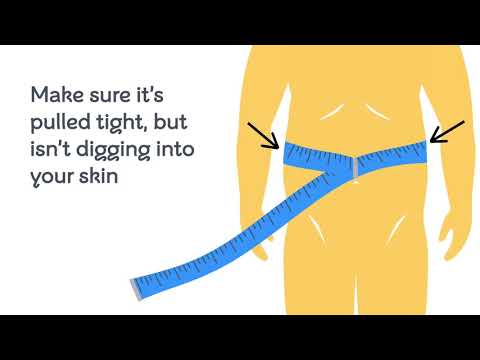
Alright, measuring your waist isn’t rocket science. Grab a flexible tape measure and wrap it around your bare stomach—just above your hip bones. Make sure it’s snug but not squeezing! Take the measurement at the end of a normal breath.
- If you’re a woman, a waist size over 35 inches may indicate higher health risks.
- If you’re a man, over 40 inches might raise some red flags.
What Do These Numbers Mean?
You might be wondering—am I in trouble if my numbers are high? Not necessarily! But higher measurements often correlate with increased visceral fat. Visceral fat is that sneaky stuff that wraps around organs and has been shown to cause more harm than subcutaneous fat (the stuff under your skin).
Think of visceral fat like an unchecked guest at a party—it takes up space way too close to important things happening (like organs) and can cause chaos if left alone.
Body Mass Index vs. Waist Size
A lot of people rely on Body Mass Index (BMI), which looks at height versus weight. But here’s where waist measurement shines: BMI doesn’t consider where the weight is distributed. You could have two people with the same BMI but very different waist sizes—and thus very different health profiles!
- BMI focuses on numbers while waist size tells more about body composition.
- You might even have a healthy BMI but could potentially have unhealthy levels of abdominal fat.
The Bigger Picture: Lifestyle Choices
Finally, let’s connect this to lifestyle choices—diet and exercise play crucial roles in managing excess waist fat. Eating more whole foods and being active are usually good moves! But remember, everyone’s body is unique—and what works for one might not work for another.
The key takeaway here? Monitor those measurements regularly and don’t hesitate to chat with someone knowledgeable if you have concerns or questions about your specific situation!
Discovering the Key to Perfect Fit and Style for Men
Measuring Your Waistline: What It Reveals About Your Health
When it comes to health, many people emphasize weight or body mass index (BMI). But waistline measurement holds its own significance. You see, your waist circumference can tell you a lot about your overall health risks.
Why Waist Size Matters
Your waistline is more than just a number. It can indicate how much visceral fat you have. Visceral fat is the stubborn type that wraps around organs and increases the risk of conditions like heart disease and diabetes.
But hey, what’s a healthy waist measurement? For men, it’s generally considered risky if it’s over 40 inches (102 cm). This isn’t a strict cut-off, but it helps highlight potential health issues.
How to Measure Your Waist Correctly
Getting an accurate measure isn’t hard. Here’s what you need to do:
- Stand up straight: No slouching! You’ll want to be in a natural position.
- Find the right spot: Look for the top of your hip bones or belly button; that’s where you’ll measure.
- Breathe out gently: Take a relaxed breath and then exhale before taking the measurement.
- Tape measure placement: Wrap it around your waist, keeping it parallel to the ground. Make sure not to pull too tight.
If you’re unsure about measuring yourself, don’t hesitate to ask a friend for help. Honestly, having someone else do it can often be more accurate!
The Link Between Waist Size and Health Risks
A larger waist size can mean higher levels of inflammation in your body. Inflammation is linked with various chronic diseases—like heart disease and some cancers—so keeping an eye on that number can be pretty important.
You might wonder: does losing weight help? Usually! Losing weight often reduces both body fat and waist size. It also improves overall metabolic health which is super valuable in preventing diseases down the road.
Lifestyle Factors Impacting Waistline
Your diet plays a major role here. A balanced diet low in processed foods and high in fruits, vegetables, and whole grains tends to promote better health outcomes. Exercise also can’t be overlooked; regular physical activity helps trim down excess abdominal fat over time.
- Aerobic exercises: Things like walking, running or cycling are crucial for cardio health.
- Strength training: Building muscle increases your metabolism which helps burn fat more effectively over time.
Mental Well-Being Connection
This might surprise you but mental well-being ties into physical measurements too! Stress can lead to emotional eating or unhealthy habits that affect your waistline negatively. Finding ways to manage stress—like mindfulness or hobbies—can actually assist with maintaining a healthier lifestyle overall.
The Takeaway
Your waist circumference isn’t just something that relates aesthetic preferences; it has serious implications for your health. Tracking it regularly gives insight into potential risks while encouraging healthier choices along the way!
If you’re noticing changes in your measurements or feel concerned about them, chat with someone who’s knowledgeable—like a healthcare provider—to get tailored advice on what steps you might consider next!
Find Your Perfect Fit with Our Waist Measurement Guide
Measuring Your Waistline: What it Reveals About Your Health
Hey, so let’s chat about waist measurements and why they matter. You might think it’s just a number, right? But actually, your waist size can tell you a lot about your overall health.
Why Measure Your Waist?
Your waist is more than just a fashion statement. It’s an indicator of body fat distribution. Fat stored around the abdomen is often linked to health risks like heart disease and diabetes, while fat around your hips might not carry the same risks.
The thing is, measuring your waist gives you insight into your body composition. This helps you understand if you’re in a healthy range or at risk for certain conditions.
How to Measure Your Waist Correctly
To get an accurate measurement, stand up straight but relaxed. Find the top of your hip bones and the bottom of your rib cage—this is roughly where you want to measure.
- Wrap a flexible tape measure around your waist.
- Breathe normally while taking the measurement (don’t suck in!).
- Check the number at eye level for accuracy.
A well-fitted measurement should ideally be taken at the end of exhalation for consistency.
What Does Your Waist Measurement Mean?
A waist circumference over 40 inches for men and 35 inches for women can indicate higher health risks. But don’t panic! It’s just one part of understanding your health picture.
You could be fit and active but still have a larger waist; genetics play a role too, so it’s not all doom and gloom!
Cultural Differences in Body Shapes
Cultural perceptions also impact how we view our bodies. What may be considered healthy in one culture might differ in another, leading to varying interpretations of what those measurements mean. Societal norms play into this as well!
Your Waist Isn’t Everything
This all might sound intense, but remember that no single measurement defines you or your health entirely. Balance matters too! Diet, exercise levels, mental wellbeing—all come into play when assessing overall health.
Common Myths About Waist Measurements
- Mistake 1: A smaller waist equals better health—Not necessarily! Fitness levels matter more than just size alone.
- Mistake 2: Only overweight people should worry about their waists—Even slim folks can have dangerously high abdominal fat!
- Mistake 3:The tape measure doesn’t lie—Well, sometimes body shapes vary quite a bit!
The conversations we have about body size can vary widely depending on personal experiences and lifestyle choices. It’s important to engage with those around us respectfully on these topics.
The Bottom Line
Your waist size offers information that could help guide you towards healthier habits if needed. But at the end of the day? Listen to your body and consult with trusted sources if you’re unsure or worried about anything specific!
Measuring Your Waistline: What It Reveals About Your Health
Measuring your waistline can seem like a simple task, but it’s actually quite significant when it comes to understanding your health. You know, the waist measurement gives insights into body fat distribution, which can be a major indicator of various health risks.
Excess fat around the abdomen, often referred to as visceral fat, can lead to serious conditions like heart disease and diabetes. This type of fat is more concerning than just regular subcutaneous fat that sits under the skin. When we measure our waist, we’re usually looking for numbers that indicate whether we fall into a healthy range.
The easy rule of thumb? For men, a waist circumference over 40 inches is considered risky. For women, it’s over 35 inches. Honestly, these numbers highlight how important it is to keep an eye on not just weight but where you carry it.
A common analogy is thinking of your body like a suitcase. If you pack all your clothes tightly in one area—that’s your abdomen—it’s not good for the suitcase’s shape or integrity. A well-distributed load keeps everything in balance and functional.
Studies also show that belly fat correlates closely with metabolic syndrome—a cluster of conditions that increase the risk of heart disease and stroke. So this isn’t just about aesthetics; it’s about keeping our bodies healthy for the long haul.
Measuring your waist isn’t something to be afraid of; think of it as checking in with yourself. It encourages awareness about lifestyle choices too. Did you know that even modest changes in diet and exercise can make a difference? Sometimes those little adjustments have big impacts.
Remember though, while waist measurements are informative, they shouldn’t be viewed in isolation. Other factors like cholesterol levels and blood pressure are crucial too! So, when you take those measurements, consider them part of a larger picture.