
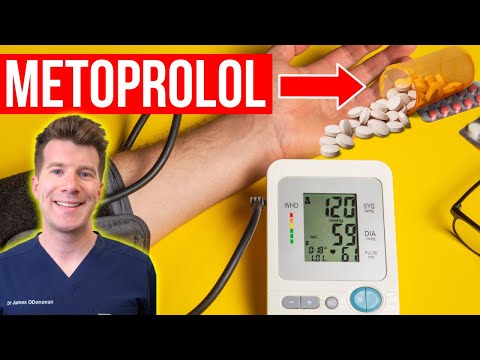
Metoprolol tartrate is a medication that many people may have heard of but might not fully understand. It’s commonly prescribed to manage heart conditions, high blood pressure, and even certain types of migraines. Think of it as a traffic officer for your heart—it helps regulate your blood flow and ensures that everything runs at a steady pace.
In this discussion, we’ll explore the benefits of metoprolol tartrate, including how it can alleviate symptoms and improve quality of life. We will also address the potential risks involved, such as side effects that some people might experience. Understanding interactions with other medications is key too, as combining treatments can lead to unexpected results.
But here’s a vital note: while learning about metoprolol tartrate, it’s crucial to remember that everyone’s health journey is unique. Information should come from reliable sources. Always consult healthcare professionals and verify details through different specialists and media outlets before making decisions about your health.
The information provided in this article is intended solely for general informational and educational purposes. It does not constitute medical advice, diagnosis or professional treatment, and should not be considered a substitute for consultation with a qualified doctor or other licensed healthcare professional. Any health-related decisions should be made in consultation with accredited medical professionals.
While efforts have been made to ensure the information is accurate and up to date, no guarantees are given—either express or implied—regarding its accuracy, completeness, currency or suitability. Use of this information is at your own discretion.
It is strongly recommended to consult official sources such as the NHS (National Health Service) or other recognised medical institutions before acting on any information contained on this website or article. Under no circumstances should professional medical advice be ignored or delayed due to content read here.
This content is of a general and informational nature only. It is not intended to replace individualised guidance from a healthcare professional or to establish any doctor-patient relationship. The publication of this information does not imply any professional responsibility, guarantee or obligation on the part of the author or this site.
Unlocking Heart Health: Discover the Advantages of Metoprolol Tartrate
Metoprolol tartrate is a medication that plays an important role in managing heart conditions. It belongs to a class of drugs called beta-blockers. These medications help the heart work more efficiently.
This drug is often prescribed for various reasons, primarily to lower blood pressure and manage symptoms of heart disease. By blocking certain signals in the body, metoprolol can slow down the heart rate and reduce its workload.
Benefits of Metoprolol Tartrate:
While metoprolol has many benefits, it’s essential to be aware of potential risks. Like any medication, it can have side effects. Common ones include fatigue, dizziness, and cold hands or feet.
In some cases, stopping metoprolol suddenly can be dangerous. It’s important to follow your healthcare provider’s instructions about dosage adjustments or discontinuation.
Possible Interactions:
Additionally, lifestyle choices play a crucial role in overall heart health. A balanced diet, regular exercise, and avoiding tobacco can enhance the effects of metoprolol.
It’s also beneficial to monitor your blood pressure regularly while on this medication. Keeping track helps ensure that it works effectively for you.
If you experience any unusual symptoms or side effects while taking metoprolol tartrate, reach out to a healthcare provider promptly. They can provide guidance tailored specifically to your needs.
Understanding how medications like metoprolol work empowers individuals to make informed health decisions. Staying educated about your treatment options is key in managing your health responsibly.
Navigating the Benefits and Concerns of Metoprolol Use
Metoprolol is a medication commonly used to treat high blood pressure and heart-related issues. It’s a type of drug known as a beta-blocker. Let’s explore its benefits, concerns, and interactions.
First, the benefits of metoprolol include its ability to lower blood pressure. By blocking specific natural chemicals in the body, it helps your heart work more efficiently. This can reduce the risk of heart attacks and strokes.
Additionally, metoprolol can help manage conditions like angina (chest pain) and heart failure. For those with irregular heartbeats, or arrhythmias, it can also stabilize the heartbeat. Many people find that it improves their overall quality of life.
However, like any medication, metoprolol comes with some concerns. Common side effects may include fatigue, dizziness, or even depression for some individuals. These effects occur because the drug alters how your body responds to stress.
It’s important to note that not everyone experiences side effects in the same way. Some may feel great relief without any noticeable problems.
Another concern is that discontinuing metoprolol suddenly can have serious implications for health. It’s best to work closely with a healthcare professional when considering changes in medication dosage or frequency.
In terms of interactions, metoprolol may react with other medicines such as certain antidepressants or medications for allergies and colds. Always share your complete list of medications with your healthcare provider to avoid complications.
Key Points:
In conclusion, understanding both the benefits and concerns surrounding metoprolol is crucial for making informed health decisions. It’s always wise to have open conversations about any medications you are taking or considering. Your health journey is unique—taking charge means staying informed!
Exploring the Effects and Combinations of Metoprolol Tartrate on Your Health
Metoprolol tartrate is a medication often used to manage high blood pressure and heart issues. It belongs to a class of drugs called beta-blockers. By blocking certain receptors, it helps the heart beat more slowly and with less force.
This can be beneficial for people with conditions like hypertension or angina, as it reduces the workload on the heart. Think of it like turning down the volume on a loud speaker; the sound becomes easier to manage.
However, just like any medication, metoprolol tartrate comes with its own set of effects and potential risks. Some people might experience fatigue or dizziness. These side effects happen because the drug lowers your heart rate and blood pressure.
It’s crucial to consider how this medication interacts with others you might be taking. For example, combining metoprolol with certain medications can lead to increased side effects or reduced effectiveness of either drug. Always talk about your full medication list with a healthcare provider.
Key considerations when taking metoprolol tartrate:
Lifestyle factors also matter when you’re on metoprolol. A balanced diet, regular exercise, and stress management techniques can enhance its benefits. They work together like pieces of a puzzle to support better heart health.
It’s important to understand that everyone’s body responds differently to medications. What works well for one person may not be ideal for another. Keep track of how you feel while taking metoprolol tartrate and share any concerns with someone who knows your health history.
Knowledge is power when it comes to managing health conditions. Staying informed about what medications do can help you make better choices and have productive conversations with healthcare providers about your treatment plan.
Metoprolol tartrate is a commonly prescribed medication primarily used to manage conditions such as hypertension and heart disease. Its benefits include effectively lowering blood pressure, reducing heart rate, and minimizing the risk of heart-related events. Many patients find it helps improve their overall quality of life by managing symptoms associated with these conditions.
However, like any medication, metoprolol tartrate comes with potential risks. Common side effects may include fatigue, dizziness, or bradycardia (a slower than normal heart rate). In some cases, it can also exacerbate asthma or lead to withdrawal symptoms if discontinued abruptly. It’s crucial for patients to communicate openly with their healthcare provider about any pre-existing conditions and medications they are taking to avoid complications.
Drug interactions are another important element to consider. Metoprolol can interact with various medications, such as certain antidepressants or other blood pressure drugs, potentially intensifying side effects or diminishing efficacy. Patients must keep their healthcare team informed about all substances they are using—prescription or over-the-counter—to ensure safe and effective treatment.
In summary, while metoprolol tartrate offers significant benefits for controlling cardiovascular conditions, awareness of its risks and potential interactions is essential for safe use. Continuous dialogue between patients and healthcare providers fosters informed decision-making and optimal health outcomes.


