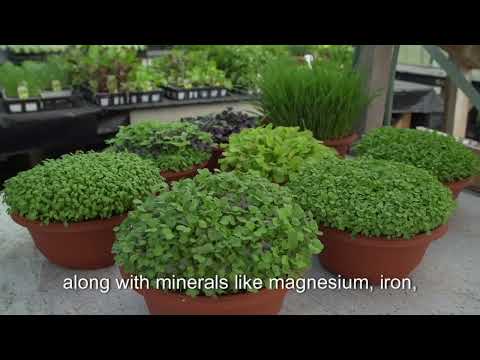
Microgreens are tiny, young plants packed with flavor and nutrients. Think of them as little powerhouses of health! These miniature greens can be anything from kale to basil and are typically harvested just a few inches tall.
Imagine sprinkling a handful on your salads or sandwiches, instantly elevating the taste and nutrition. They contain high levels of vitamins, minerals, and antioxidants—making them a simple yet effective way to boost your health.
Growing microgreens at home is not only rewarding but also economical. You don’t need a backyard; a sunny windowsill works perfectly! With just some seeds, soil, and water, you can cultivate your own fresh greens in under two weeks.
However, while microgreens can be beneficial, it’s vital to **inform yourself** through reliable sources. Not all greens suit every diet or health condition. Always consider checking with different specialists or reputable media before making significant changes to your diet. This way, you can enjoy the many perks of microgreens without any surprises down the road!
The information provided in this article is intended solely for general informational and educational purposes. It does not constitute medical advice, diagnosis or professional treatment, and should not be considered a substitute for consultation with a qualified doctor or other licensed healthcare professional. Any health-related decisions should be made in consultation with accredited medical professionals.
While efforts have been made to ensure the information is accurate and up to date, no guarantees are given—either express or implied—regarding its accuracy, completeness, currency or suitability. Use of this information is at your own discretion.
It is strongly recommended to consult official sources such as the NHS (National Health Service) or other recognised medical institutions before acting on any information contained on this website or article. Under no circumstances should professional medical advice be ignored or delayed due to content read here.
This content is of a general and informational nature only. It is not intended to replace individualised guidance from a healthcare professional or to establish any doctor-patient relationship. The publication of this information does not imply any professional responsibility, guarantee or obligation on the part of the author or this site.
Unlocking the Daily Benefits of Nature’s Nutrient Powerhouses
Microgreens are tiny but mighty plants that pack a serious nutritional punch. These young greens, harvested just after the first leaves develop, are becoming popular among health enthusiasts and home gardeners alike.
The beauty of microgreens is their rich nutrient profile. They often contain higher levels of vitamins and minerals than fully-grown vegetables. For instance, broccoli microgreens can have up to 50 times more nutrients than mature broccoli!
Here’s why you might want to think about adding microgreens to your diet:
Growing your own microgreens is not only fun but also rewarding. It can be likened to cooking with fresh herbs right from your backyard. There’s something special about watching them sprout and knowing they’re packed with nutrients for you.
To get started, all you need are some seeds (like radish or beet), a shallow container, soil, and water. Plant the seeds close together on top of the soil then water gently. With just a little care over the next week or two, you’ll see them grow into vibrant little plants.
It’s easy to sprinkle these fresh greens on salads or sandwiches for an extra boost. You can also blend them into smoothies or use them as garnishes.
While microgreens have many benefits, they shouldn’t replace other vegetables in your diet. Think of them as a delicious addition rather than a complete substitute.
As you explore these nutrient powerhouses, it’s important to remember that variety is key in any healthy diet. Enjoying different colors and types of vegetables ensures you’re getting diverse nutrients.
In conclusion, microgreens can be an effortless way to enhance your meals while growing your own kitchen garden. They’re small enough to be manageable yet mighty enough to give major health benefits! So why not give it a try? Your taste buds—and body—may thank you!
Discover the Nutritional Powerhouse Hiding in Your Garden
Have you ever considered the tiny greens sprouting in your garden? These little plants are called microgreens, and they’re an exciting addition to many healthy diets.
Microgreens are young seedlings of vegetables and herbs, harvested just after the first leaves appear. They pack a powerful punch of flavor and nutrients in a small space. Think of them as nature’s concentrated nutrition.
Many people might not realize how easy it is to grow microgreens at home. You don’t need a large garden or fancy equipment. A small tray on your kitchen windowsill is often enough!
Here are some common varieties you can try:
These greens are rich in vitamins, minerals, and antioxidants. They can contain higher nutrient levels than their mature counterparts. For example, broccoli microgreens have been shown to have more sulforaphane, a compound believed to support health.
Microgreens also add vibrant colors and textures to meals. Toss them in salads or use them as garnishes for your dishes. Their bold flavors can enhance any meal without adding extra calories.
Growing your own microgreens is rewarding too! It takes just a week or two from sowing seeds to enjoying your harvest. Plus, taking care of plants can be relaxing and fulfilling.
It’s important to note that while microgreens can boost your nutrition, they should be part of a balanced diet. Eating a variety of fruits and vegetables alongside these greens ensures you get all the nutrients you need.
Remember that like all foods, food safety matters when growing edibles at home. Wash your hands before handling seeds and keep everything clean during the growing process.
In conclusion, think twice before overlooking those little plants in your garden. Microgreens are nutritious powerhouses that add flavor and vibrancy to meals while being simple to grow at home! So why not give them a try? You might just find yourself exploring new culinary creations!
Unlocking Fresh Flavors and Nutritional Power in Your Kitchen Garden
Growing your own microgreens can be a delightful experience. Not only do they add fresh flavors to your meals, but they also pack a nutritional punch.
Microgreens are young plants harvested just after the first true leaves develop. They can include a variety of greens, like arugula, radish, and basil. The best part? They take very little space and grow quickly.
Here are some benefits of growing microgreens:
To get started, you’ll need seeds, soil or growing medium, and containers. Many people use shallow trays or even repurposed containers from the kitchen. Consider using organic seeds for added peace of mind.
When planting, spread the seeds evenly over the soil and lightly cover them with more soil. Water gently but thoroughly to ensure good moisture levels without waterlogging.
Lighting is key for growth. If possible, place your trays where they will get plenty of natural sunlight. If not, consider using LED grow lights for about 12-16 hours a day.
Harvesting is simple too! Once your microgreens are about 1-2 inches tall (usually in 7-21 days), use scissors to snip them just above the soil line. Rinse them under cold water before enjoying!
A few tips for enjoying microgreens:
Remember that while microgreens offer many benefits alongside flavor enhancement in food choices, variety in diet is equally important as is sourcing food responsibly.
Growing these little powerhouses can empower you to take charge of your nutrition right from home! Engage with this process as an opportunity to learn more about what you eat and how it contributes to your overall well-being.
Microgreens are small, edible plants harvested just after the first leaves emerge. They pack a powerful nutritional punch despite their tiny size. Think of them as concentrated versions of their mature counterparts.
Research shows that microgreens can contain higher levels of vitamins, minerals, and antioxidants than fully grown vegetables. For instance, varieties like broccoli, kale, and radish can be incredibly rich in nutrients that support our immune system and overall health.
Growing your own microgreens is not only rewarding but also an accessible way to incorporate fresh greens into your diet. They require minimal space and very little time—often sprouting in just a week or two. Just think of it as gardening for those without a backyard.
Here are some key points about microgreens:
Despite their benefits, it’s important to remember that microgreens are not a substitute for a balanced diet filled with whole foods. They’re an excellent addition but should complement other fruits and vegetables.
So if you’re looking to boost your health without much hassle, consider adding microgreens into your life! They’re a simple way to enhance both your meals and your well-being.