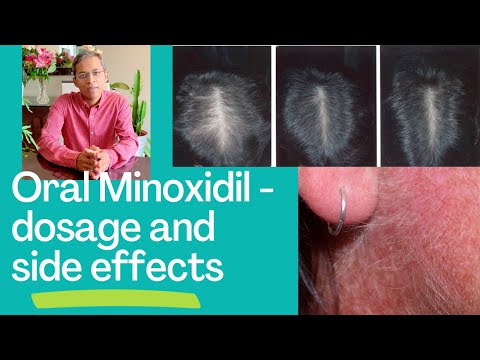
Curious about Minoxidil? You’re not alone. This medication has become quite popular, especially for those seeking to regrow hair or promote hair growth. But what exactly is it, and how does it work?
Minoxidil was originally developed as a treatment for high blood pressure. However, during its use, researchers discovered that it had the unexpected side effect of stimulating hair growth. Today, it’s widely used in topical form for conditions like androgenetic alopecia—commonly known as male or female pattern baldness.
Understanding how to use Minoxidil properly is vital. The right dosage can make all the difference in effectiveness while minimizing any potential risks. Many wonder about side effects too; while generally considered safe, there are some important things to consider.
Before diving into this topic further, here’s a crucial reminder: always consult various specialists and reliable sources before starting any treatment. Individual responses can vary significantly based on health conditions and personal history. Being well-informed helps you make the best decisions for your health journey!
Let’s uncover the insights of Minoxidil together!
The information provided in this article is intended solely for general informational and educational purposes. It does not constitute medical advice, diagnosis or professional treatment, and should not be considered a substitute for consultation with a qualified doctor or other licensed healthcare professional. Any health-related decisions should be made in consultation with accredited medical professionals.
While efforts have been made to ensure the information is accurate and up to date, no guarantees are given—either express or implied—regarding its accuracy, completeness, currency or suitability. Use of this information is at your own discretion.
It is strongly recommended to consult official sources such as the NHS (National Health Service) or other recognised medical institutions before acting on any information contained on this website or article. Under no circumstances should professional medical advice be ignored or delayed due to content read here.
This content is of a general and informational nature only. It is not intended to replace individualised guidance from a healthcare professional or to establish any doctor-patient relationship. The publication of this information does not imply any professional responsibility, guarantee or obligation on the part of the author or this site.
What You Need to Know About the Unexpected Reactions
Minoxidil is a medication often used for hair loss. While it can be effective, it can also cause unexpected reactions in some people. Understanding these reactions is crucial for making informed health decisions.
Firstly, it’s important to know that every person reacts differently to medications. What works well for one person may not work the same way for another. This variability can lead to unexpected side effects.
One common reaction is skin irritation at the application site. It can manifest as redness, dryness, or itching. Think of it like trying a new lotion; your skin may react differently than expected.
Sometimes, users notice unwanted hair growth in areas other than the scalp. This happens because minoxidil doesn’t discriminate where it encourages hair growth. It’s as if you accidentally watered a plant that was not meant to grow where you sprayed!
Other serious reactions can include swelling in the face or limbs, rapid heartbeat, or dizziness. These are less common but require immediate attention if they occur.
Here are some key points about unexpected reactions:
It’s essential to follow dosage instructions carefully. Applying more than recommended won’t likely improve results but might increase the risk of side effects.
Before starting minoxidil, consulting with someone knowledgeable about medications is a smart choice. They can guide you based on your health history and current conditions.
Finally, always try to manage expectations when using any medication. Minoxidil can take several months before its benefits become noticeable.
In conclusion, while minoxidil may help with hair loss for many people, being aware of potential unexpected reactions allows you to make better choices about your health journey. It’s always wise to approach any treatment carefully and stay informed!
Exploring the Unexpected Impact on Your Intimate Life
Minoxidil is often known for its role in hair growth, typically used for conditions like androgenetic alopecia. However, it can have unexpected impacts on other aspects of life, including intimacy.
When considering minoxidil, it’s important to recognize its potential side effects. While most discussions focus on hair and scalp health, some users report changes in libido or sexual function.
Key points to consider:
If you find yourself using minoxidil and notice shifts in your intimate life, it’s worth examining how the medication feels for you personally. Everyone’s body reacts differently.
It’s also essential to think about how bearing these side effects might influence your emotional well-being and relationships. Communication with partners can be crucial during this time.
Additionally, many factors contribute to intimacy beyond medication. Stress, anxiety, and relationship dynamics can all play significant roles.
It’s wise not to assume that any change solely comes from minoxidil. Keep in mind that everyone’s experience varies widely.
Pay attention to your feelings and experiences while using this treatment. If something seems off or concerning, reaching out for support—whether from friends or a healthcare provider—might help clarify things.
Keeping an open dialogue about how medications affect us physically and emotionally fosters healthier relationships overall. Your intimacy quality should be nurtured holistically, considering both physical health and emotional connections.
Uncovering the Hidden Impacts of Minoxidil on Women’s Health
Minoxidil is a medication often used to treat hair loss, primarily for men. However, it’s also prescribed for women experiencing thinning hair. It’s essential to understand how this medication works and its potential impacts on women’s health.
Minoxidil helps improve blood flow to hair follicles. This could lead to increased hair growth over time. Think of it as watering a plant; the more water the roots get, the healthier and more vibrant the plant becomes.
However, using minoxidil isn’t without its effects. Some women might experience side effects that can be surprising. Common side effects include:
These can occur because minoxidil stimulates certain areas of the body beyond just the scalp.
Another important factor is understanding how long you need to use minoxidil. Stopping abruptly might lead to loss of new growth achieved during treatment. It’s like stopping exercise; progress may fade if you don’t maintain your routine.
Women should also be cautious about using minoxidil during pregnancy or breastfeeding. There isn’t enough research on its safety in these situations. Always consult with a healthcare provider before starting any new treatment.
There are some myths surrounding minoxidil use among women, too. One common misconception is that once you start using it, you’ll always need it for life. While some may choose continued use for maintenance, not everyone will find this necessary forever.
Critical thinking is key. If considering minoxidil, weigh both benefits and risks carefully. Make informed decisions by looking at evidence-based resources and discussing options with healthcare professionals who understand personal health needs.
In conclusion, minoxidil can be helpful but comes with potential impacts that every woman should consider before starting treatment. Being aware of how it works and what to expect allows for better management of personal health decisions related to hair loss treatments.
Minoxidil is a medication primarily known for its use in treating hair loss and hypertension. Understanding its applications, recommended dosages, and potential side effects is crucial for anyone considering its use.
Uses: Minoxidil is most commonly applied topically for male and female pattern baldness. It stimulates hair growth by improving blood flow to the hair follicles. Additionally, when used in oral form, it effectively lowers blood pressure in individuals with hypertension.
Dosage: For topical application, minoxidil is typically used twice daily. The solution or foam should be applied directly to the scalp, ensuring that it reaches the affected areas. For those using oral minoxidil for high blood pressure, a healthcare provider determines the suitable dosage based on individual needs.
Side Effects: While many tolerate minoxidil well, some may experience side effects. Common issues include scalp irritation or unwanted facial hair growth in women due to systemic absorption. Serious effects are rare but can include rapid heart rate or changes in weight. Always consult a healthcare professional if you notice severe reactions.
In summary, minoxidil can be an effective treatment for specific conditions but requires careful consideration of its uses and potential side effects. Informed choices about health treatments empower individuals to manage their well-being responsibly.