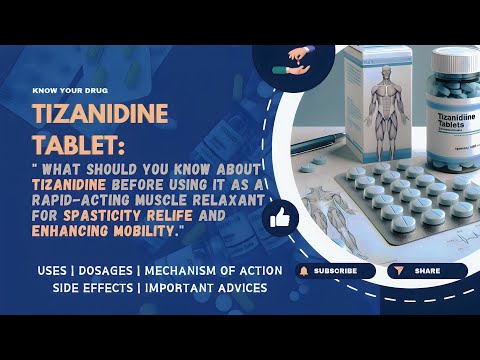
Methocarbamol is a medication often prescribed to help ease muscle spasms and discomfort. Imagine it as a gentle hand that helps soothe the tight knots in your muscles, allowing you to relax and move more freely. It’s commonly used in conjunction with rest, physical therapy, and other treatments to ensure optimal healing.
Understanding how methocarbamol works can empower you when discussing treatment options with your healthcare provider. While its primary role is to relieve muscle tension, it’s essential to be aware of its potential side effects and appropriate dosages. This knowledge can help you make informed choices about your health.
However, it’s crucial to approach any medication with care. Like any other treatment, methocarbamol can come with risks and responsibilities. Side effects may include dizziness, drowsiness, or nausea—reactions that could impact daily life. To ensure you’re using this medication safely, always consult multiple sources of information. Speak with healthcare providers from different fields and seek reliable educational resources.
Stay curious and proactive about your health journey; it’s about finding what works best for you while ensuring safety is always a priority!
The information provided in this article is intended solely for general informational and educational purposes. It does not constitute medical advice, diagnosis or professional treatment, and should not be considered a substitute for consultation with a qualified doctor or other licensed healthcare professional. Any health-related decisions should be made in consultation with accredited medical professionals.
While efforts have been made to ensure the information is accurate and up to date, no guarantees are given—either express or implied—regarding its accuracy, completeness, currency or suitability. Use of this information is at your own discretion.
It is strongly recommended to consult official sources such as the NHS (National Health Service) or other recognised medical institutions before acting on any information contained on this website or article. Under no circumstances should professional medical advice be ignored or delayed due to content read here.
This content is of a general and informational nature only. It is not intended to replace individualised guidance from a healthcare professional or to establish any doctor-patient relationship. The publication of this information does not imply any professional responsibility, guarantee or obligation on the part of the author or this site.
Unpacking the Power of Methocarbamol: What You Need to Know About Its Muscle Relaxation Effects
Methocarbamol is a medication often used to help relieve muscle spasms and discomfort. It functions as a muscle relaxant, targeting the nervous system to reduce tension in muscles. Let’s break down what you need to know about methocarbamol.
How It Works:
Methocarbamol works by blocking nerve impulses or pain sensations that are sent to your brain. Imagine it like turning down the volume on a loud radio; it helps make the discomfort less intense.
Uses:
This medication is typically prescribed for injuries or conditions that cause muscle spasms. Common examples include back pain, neck pain, and strains. It’s often part of a broader treatment plan that may include rest or physical therapy.
Dosage Information:
The dosage of methocarbamol can vary based on individual needs. It’s important to follow your healthcare provider’s instructions carefully. Starting doses might be higher and then adjusted based on how you respond.
Possible Side Effects:
Like any medication, methocarbamol can have side effects, although not everyone will experience them. Some people may feel drowsy or dizzy after taking it. Others might notice stomach upset or blurred vision.
It’s crucial to avoid drinking alcohol while using this medication, as it can increase side effects like drowsiness.
Cautions:
Before starting methocarbamol, let your healthcare provider know about any other medications you’re currently taking. This is important because some drugs can interact with methocarbamol and affect how well they work together.
Pregnant or breastfeeding individuals should also discuss potential risks with their healthcare provider before using this medication.
Mental Alertness:
While on methocarbamol, be cautious if you’re planning activities that require full concentration, like driving. The drowsiness effect might be similar to that of antihistamines—like feeling sleepy after taking cold medicine.
In summary, methocarbamol can be an effective tool for managing muscle spasms when used properly and responsibly. Always engage in an open dialogue with your healthcare provider about its use to ensure it’s right for you. Informed decisions lead to better health outcomes!
Uncovering the Hidden Risks of Methocarbamol Use
Methocarbamol is a medication often used to treat muscle spasms. It helps relax muscles and can be beneficial in managing pain after injuries or surgeries. However, many people may not be aware of the hidden risks associated with its use.
One of the main concerns with methocarbamol is its potential for side effects. These can range from mild to more serious. Common side effects include dizziness, drowsiness, and nausea. In some cases, individuals may experience allergic reactions, which can manifest as rash or itching.
Using methocarbamol involves some important considerations. It might interact with other medications, leading to unexpected complications. Always inform your healthcare provider about any other drugs you’re taking.
Another risk arises from misuse. Some people might take methocarbamol without a prescription or for longer periods than recommended. This behavior could increase the likelihood of dependence or worsen side effects.
It’s also vital to note that combining methocarbamol with alcohol can amplify its sedative effects. This combination may result in increased drowsiness and impaired coordination, potentially leading to accidents.
Additionally, long-term use of muscle relaxants like methocarbamol may not address the underlying issues causing muscle spasms. It’s crucial to explore other treatment options alongside medication.
In summary:
Understanding these risks can lead to more informed choices regarding your health and wellness. It’s always wise to discuss any concerns with a healthcare provider before starting or stopping any medication.
Uncovering the Hidden Risks of Methocarbamol 500 mg
Methocarbamol is a muscle relaxant often prescribed to help relieve muscle spasms and discomfort. While it can help many people, it’s important to understand its risks, particularly at the common dosage of 500 mg.
First, let’s look at how methocarbamol works. It affects the central nervous system by depressing motor activity. Think of it as gently calming overactive muscles, which can happen from strains or injuries.
However, like any medication, methocarbamol isn’t without side effects. Some common ones include dizziness and drowsiness. These are often mild but can interfere with daily activities like driving or operating machinery.
Allergic reactions are also possible. Symptoms might include rash, itching, or swelling. If you have these reactions after taking methocarbamol, you should seek immediate medical attention.
A less common but serious risk is respiratory depression. This is when breathing becomes too slow or shallow. It’s crucial to be cautious if taking other medications that also depress the nervous system.
It’s also worth noting that alcohol can amplify some side effects of methocarbamol. Mixing them could lead to increased drowsiness or dizziness. So, moderation is key if you’re consuming alcoholic beverages while on this medication.
Certain populations may face additional risks. For instance, elderly individuals might experience more pronounced side effects due to different metabolism rates and increased sensitivity to medications.
Always use methocarbamol exactly as prescribed and never exceed the recommended dosage without consulting someone qualified about it first. More isn’t always better when it comes to health; in fact, higher doses increase the chance of complications.
If you’re considering using methocarbamol for muscle pain relief or recovering from an injury, it’s a good idea to discuss your full health history with a healthcare provider first.
In summary, while methocarbamol serves as a valuable tool for muscle relaxation and pain relief in many cases, it’s essential to recognize its hidden risks as well.
Methocarbamol is a muscle relaxant commonly prescribed to alleviate discomfort from acute musculoskeletal conditions. It works by depressing the central nervous system, which leads to reduced muscle tension and pain. Understanding its uses, side effects, and dosage is crucial for both healthcare professionals and patients.
Uses: Methocarbamol is typically utilized in conjunction with rest and physical therapy. It’s effective for conditions like muscle spasms or strains, providing temporary relief. However, it’s important to remember that while it aids in symptom management, it does not address the underlying cause of the pain.
Side Effects: Like all medications, methocarbamol may cause side effects. Common ones include dizziness, drowsiness, nausea, or a feeling of light-headedness. Some patients may also experience allergic reactions or gastrointestinal disturbances. Being aware of these can help patients manage their expectations and communicate effectively with their healthcare providers.
Dosage Insights: The dosing of methocarbamol varies depending on the severity of symptoms as well as patient-specific factors like age and health status. It’s typically started at a higher dose and then tapered down as symptoms improve. Following prescribed dosages is critical; misusing the medication can lead to increased side effects or decreased efficacy.
In summary, methocarbamol can be an effective tool for managing muscle-related pain when used responsibly. Open communication between patients and healthcare providers ensures safe usage while minimizing risks associated with side effects or improper dosing. As we continue to understand more about this medication, it’s essential to weigh its benefits against potential drawbacks thoughtfully.