The information provided in this article is intended solely for general informational and educational purposes. It does not constitute medical advice, diagnosis or professional treatment, and should not be considered a substitute for consultation with a qualified doctor or other licensed healthcare professional. Any health-related decisions should be made in consultation with accredited medical professionals.
While efforts have been made to ensure the information is accurate and up to date, no guarantees are given—either express or implied—regarding its accuracy, completeness, currency or suitability. Use of this information is at your own discretion.
It is strongly recommended to consult official sources such as the NHS (National Health Service) or other recognised medical institutions before acting on any information contained on this website or article. Under no circumstances should professional medical advice be ignored or delayed due to content read here.
This content is of a general and informational nature only. It is not intended to replace individualised guidance from a healthcare professional or to establish any doctor-patient relationship. The publication of this information does not imply any professional responsibility, guarantee or obligation on the part of the author or this site.
Have you ever felt your heart racing and wondered if it was just stress or something more? High blood pressure can be a silent troublemaker. Sometimes, it creeps up on you without any clear signs. But here’s the good news: keeping tabs on your health is easier than ever.
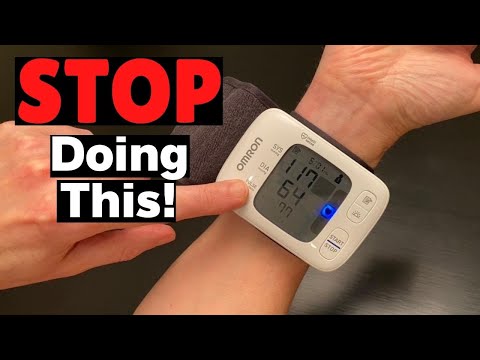
This article focuses on wrist blood pressure monitors. These handy devices can help you track your blood pressure at home with ease. Think of them as a reliable friend who nudges you to pay attention to your heart health.
You might wonder why that’s important. Well, managing your blood pressure is key in preventing serious health issues like heart disease or stroke. So, knowing what’s going on with your body can empower you to make better choices.
We’ll guide you through the four best wrist blood pressure monitors available today. They’re user-friendly and packed with features that cater to different needs and budgets. Just remember, while this info is helpful, it’s not a substitute for professional medical advice. Always consult a healthcare provider before making decisions about your health.
Discover the Top Rated Wrist Blood Pressure Monitors for Accurate Readings and Ultimate Comfort
Understanding Wrist Blood Pressure Monitors
Wrist blood pressure monitors can be a great option for keeping tabs on your health. They’re compact, easy to use, and you can even wear them at home or on the go. But how do they work? And are they just as good as those big cuff models? Let’s dive into it.
How Do They Measure Blood Pressure?
These devices measure the pressure in your arteries when your heart beats and when it’s resting between beats. It’s like getting a quick snapshot of how hard your heart is working at any given moment. You know, similar to checking your pulse but with more detailed numbers.
Why Choose a Wrist Monitor?
The main draw of wrist monitors is convenience. They’re lightweight and portable, so you can take one almost anywhere. Think about it; if you’re busy or traveling, a wrist monitor could be more practical than something bulky.
Measuring Accuracy
The accuracy of wrist blood pressure monitors can sometimes be questioned. They might not always give the same results as arm cuffs, especially if not positioned correctly on your wrist. It’s essential to follow the instructions accurately—like sitting still and having your arm level with your heart.
The Comfort Factor
Many people find wrist monitors comfortable because they fit snugly without feeling constrictive. Some models even come with soft padding which feels nice against the skin. If you’ve ever tried squeezing into an oversized cuff before, you know what I mean!
Choosing the Right Model
- Look for features: Some models have backlit screens for ease of reading or memory functions to keep track of previous readings.
- User-friendly: Make sure buttons are easy to push and that the instructions are simple enough to follow—no one wants to struggle figuring things out!
- Cuff size: Make sure it fits well! A monitor that’s too tight or loose won’t give accurate readings.
- Praise from users: Checking customer reviews can really help; other people’s experiences often tell a lot about how reliable a device is.
A Couple of Considerations
If you’ve got conditions like certain arrhythmias (those are irregular heartbeats) or if you’re very overweight, this kind of monitor might not work as well for you—as it’s designed primarily for average-sized arms.
Your Health Matters
No matter what type you choose, regularly monitoring your blood pressure is key—it provides insights into how well your heart is doing over time. Keeping track helps spot any changes early on!
If you’re considering using a wrist blood pressure monitor, chat with someone knowledgeable about what’s right for you. It’s all about finding that balance between comfort and accuracy in taking care of yourself.
Stay informed about your heart health with ease and accuracy.
Understanding Blood Pressure and Heart Health
Hey, let’s talk about heart health. It’s crucial, right? One of the key indicators of your heart’s condition is your blood pressure. Blood pressure is the force your blood exerts against the walls of your arteries as it flows through. Think of it like water flowing through a hose; too much pressure can cause damage.
Why Monitor Your Blood Pressure?
Monitoring your blood pressure regularly can help you catch issues early. High blood pressure, or hypertension, doesn’t usually show signs until something serious happens. It’s often called the “silent killer.” How does that sound? Kind of scary, huh?
The Role of Wrist Blood Pressure Monitors
You might be wondering what wrist blood pressure monitors are all about. These devices measure your blood pressure at your wrist instead of the upper arm like traditional ones. They can be very convenient.
Imagine you’re at home relaxing and want to check your heart health quickly—wrist monitors make that super easy! They’re portable and can fit right in your bag or drawer.
Choosing the Best Monitor
- Accuracy: Look for a device with good reviews on accuracy. Some models work better than others, so do a little research.
- User-Friendly: It should be simple to use! A clear display and straightforward buttons are ideal.
- Cuff Size: Make sure it fits well around your wrist; too loose or tight can affect readings.
- Batteries: Consider how long the batteries last or if it has rechargeable options—this could save you hassle down the line.
A Real-Life Example
A friend of mine recently got a wrist monitor because he travels a lot. He told me it helps him stay informed without relying on doctor’s visits all the time. He feels more in control now.
Taking Accurate Readings
If you decide to use one, here’s what to keep in mind for accurate readings: Sit comfortably with your back supported and feet flat on the floor. Rest your arm at heart level when taking measurements; otherwise, results may vary quite a bit!
Diving Deeper into Heart Health
Keeps track not just of blood pressure but also other factors like diet and exercise habits—these will play pivotal roles in overall heart health. Have you ever considered how lifestyle choices connect to cardiovascular wellness?
In Closing Thoughts
You can’t replace regular check-ups with devices alone, but they are helpful tools for staying informed about how things are going with your heart health.
The key is being proactive rather than reactive!! Monitoring regularly gives you peace mind and helps identify changes before they escalate.
Simple Solutions for Accurate Readings and Easy Use
Understanding Wrist Blood Pressure Monitors
Monitoring your blood pressure at home can be super helpful. It allows you to keep track of your heart health with relative ease. But, how do you know if you’re getting accurate readings? Let’s explore this together.
What to Look for in a Wrist Monitor
First off, wrist monitors are convenient. They’re lightweight and portable. However, it’s essential that you choose one that fits properly around your wrist. A good fit ensures that the device can take an accurate measurement.
The size of your wrist matters too! If it’s too tight or too loose, the readings may not be reliable. Most monitors come with adjustable bands, so you can find a comfortable fit.
Calibration: Why It’s Important
You know how your computer sometimes needs updates? Blood pressure monitors need calibration. This means they should be adjusted to ensure they give correct readings over time.
If you’re unsure what’s going on, consider checking your monitor against a doctor’s office device periodically. It’s like making sure both of you are on the same page!
The Right Position Matters
Your body position while taking a reading influences results too! Make sure you’re sitting down comfortably and resting your arm at heart level. Imagine it like creating a perfect angle for a selfie—everything needs to line up just right!
Selecting the Best Monitors
- Omron RS7:This monitor is well-rated for accuracy and is user-friendly.
- A&D UA-651BLE:This one pairs with apps via Bluetooth for easy tracking on your phone.
- Withings BPM Connect:This has smart features and syncs via Wi-Fi—great if tech is your friend!
- Breo R1:This features an oversized display and is simple to use for those who might struggle with tiny buttons.
Mistakes to Avoid
A common mistake people make? Taking readings after exercising or drinking caffeine which can raise blood pressure temporarily. It’s best to wait at least 30 minutes after these activities before taking any measurements.
Also, don’t forget to cross-check with multiple readings throughout the day—for instance, morning and evening—to get an overall picture of what’s happening in there!
Minding Your Mental Health Too
You might not realize it but stress affects blood pressure! Try some relaxation techniques before taking measurements; simple breathing exercises can lower anxiety levels significantly.
Your Responsibility
Using wrist blood pressure monitors is just one part of managing your health journey effectively. Remember that consistent monitoring helps establish patterns over time but never replaces professional guidance for treatment decisions.
If something feels off, don’t hesitate: reach out to someone who can help clarify any concerns or discrepancies in those numbers you see on the screen!
Monitoring Your Health: 4 Best Wrist Blood Pressure Monitors
Keeping an eye on your blood pressure is super important for your overall health. It helps you understand how well your heart is doing and can alert you to potential issues before they become serious. Wrist blood pressure monitors are a convenient option, especially for those who find traditional arm cuffs uncomfortable.
When choosing the best wrist monitor, consider accuracy, ease of use, and additional features. You want something that not only gives reliable readings but is also straightforward to operate. Some models even connect to your smartphone, letting you keep track of your numbers over time.
Four standout options include:
- Omron Gold Wireless Wrist Blood Pressure Monitor: Known for its accuracy and sleek design.
- A&D Medical UA-767F: Offers good value with its simple interface and clear display.
- iHealth Feel Wireless Blood Pressure Monitor: A tech-savvy choice that syncs to an app for tracking data.
- Mareena Blood Pressure Monitor: Affordable and user-friendly, perfect for everyday monitoring.
The key is to choose a monitor that fits your lifestyle. Regular monitoring can help catch changes early, leading to better management of health conditions like hypertension. Remember though, while wrist monitors can be reliable, they should complement regular check-ups with healthcare professionals—not replace them!
If you or someone else is considering getting a wrist blood pressure monitor, look into these options together! The right one can make all the difference in managing health effectively.