The information provided in this article is intended solely for general informational and educational purposes. It does not constitute medical advice, diagnosis or professional treatment, and should not be considered a substitute for consultation with a qualified doctor or other licensed healthcare professional. Any health-related decisions should be made in consultation with accredited medical professionals.
While efforts have been made to ensure the information is accurate and up to date, no guarantees are given—either express or implied—regarding its accuracy, completeness, currency or suitability. Use of this information is at your own discretion.
It is strongly recommended to consult official sources such as the NHS (National Health Service) or other recognised medical institutions before acting on any information contained on this website or article. Under no circumstances should professional medical advice be ignored or delayed due to content read here.
This content is of a general and informational nature only. It is not intended to replace individualised guidance from a healthcare professional or to establish any doctor-patient relationship. The publication of this information does not imply any professional responsibility, guarantee or obligation on the part of the author or this site.
Ever felt that strange pain in your chest and wondered if it was just stress or something more serious? You’re not alone. Many of us experience those nagging worries about heart health, especially as we get older. And this is where nuclear stress tests come into play.
You might be asking: what exactly are these tests? Simply put, they help doctors see how well your heart is working under stress. It’s like a treadmill test, but with a twist— using a small amount of radioactive material to get clearer images of your heart.
This article will break down the purpose and process of nuclear stress tests in simple terms. You’ll understand when they’re used and what to expect if you ever need one. Knowing this could put your mind at ease when health concerns arise.
Remember, though, that this content doesn’t replace medical advice. It’s essential to talk to a healthcare professional about any specific health questions or concerns you have.
Uncovering the Hidden Risks Behind Nuclear Safety Assessments
Nuclear Stress Tests: What Are They?
Nuclear stress tests are a type of medical imaging that help evaluate how your heart functions under stress. You know, it’s like putting your heart to the test to see how well it performs during exercise or when pushed to its limits.
During the test, doctors typically inject a small amount of radioactive material into your bloodstream. This substance allows them to capture images of your heart while it beats, both at rest and under stress. Don’t worry; the amount is very low and monitored closely.
The Purpose Behind Nuclear Stress Tests
The main goal is to identify any issues with blood flow to your heart muscle. Sometimes, blockages can limit blood supply and cause problems like chest pain or even more severe conditions.
Think about it like this: if you can’t get enough fuel into an engine, it won’t run properly. Your heart needs that blood supply just like an engine needs fuel.
Hidden Risks in Assessments
While nuclear stress tests are generally safe, there are some hidden risks you might want to consider. First up is exposure to radiation. Yep, there’s a bit of radiation involved since radioactive materials are used.
This radiation is minimal and typically considered safe for most people. But for pregnant women or those sensitive to radiation, extra caution is needed. It’s always best to discuss any concerns with a healthcare provider before proceeding.
False Positives and Negatives
An interesting point is the possibility of false positives or negatives in test results. A false positive means the test suggests a problem where none exists—kind of like hearing a noise in your car but finding out it was nothing serious.
A false negative works the other way around; it can indicate everything’s fine when there might be an issue lurking beneath the surface. Both scenarios lead to unnecessary anxiety or missed diagnoses.
Emotional Impact on Patients
The emotional side can’t be ignored either! Going through these tests can cause stress for some patients because they’re often worried about what the results might reveal. This anxiety should not be taken lightly—it’s as real as physical symptoms!
Consultation Is Key
If you’ve been suggested a nuclear stress test, having an open conversation with your doctor helps clear things up—like understanding why it’s necessary in your specific case or getting clarity on potential risks associated with it.
- Ask about alternatives if you’re concerned.
- Discuss how results from the test will influence treatment options.
- Don’t hesitate to bring up any family history related heart conditions.
Taking All Factors into Account
You see, nuclear stress tests have their value but come with factors that need careful consideration. It’s all about weighing those risks against benefits and making informed decisions together with healthcare providers—a partnership really!
A Non-Exercise Approach to Heart Health Assessment
When it comes to assessing heart health, many think about vigorous exercise or treadmill tests. But there’s another option called nuclear stress tests. These tests aren’t dependent on you running or jogging, which can often be a relief for some folks.
What is a Nuclear Stress Test?
A nuclear stress test looks at how well blood flows to your heart muscle during rest and activity. Rather than making you run, these tests use a small amount of radioactive material and imaging technology to see what’s happening inside your heart.
Why Use Nuclear Stress Tests?
You might wonder why someone would opt for this kind of test. Sometimes, patients have conditions that make exercising risky or just can’t exercise due to physical limitations. In these cases, the nuclear test becomes a safe alternative.
The Process Explained
During the test, a technician will inject a small radioactive substance into your bloodstream. This doesn’t hurt much—think of it like getting a flu shot. Then, they’ll take images of your heart using special cameras post-injection.
The cool part? You’ll also receive an additional injection while resting or after being given medication that mimics the effect of exercise on your heart. This helps see how well blood is flowing during different states.
How Does It Work?
- Preparation: Before the test, you might need to avoid certain foods or medications.
- Imaging: The scans will show areas where blood isn’t reaching as effectively as it should.
- Results: A cardiologist will then analyze those images and discuss them with you later on.
The Benefits
Nuclear stress tests can be incredibly informative without putting undue burden on your body. They help in diagnosing issues like coronary artery disease or assessing heart function after surgery without needing heavy exertion from the patient—which is pretty great!
Considerations
Echocardiograms and standard stress tests are also available options if you’re considering assessing cardiac health; they may have their own pros and cons too. Each method comes with unique insights depending on individual circumstances.
Myths to Address
A frequent misconception is that nuclear testing exposes patients to high levels of radiation—when in reality, the dose is quite low compared to other medical procedures such as CT scans. Always communicate openly with healthcare providers about any concerns regarding risks or effectiveness.
Your Takeaway
Nuclear stress tests are invaluable tools in evaluating heart health without needing strenuous physical activity from patients who can’t manage it easily. By understanding how they work and what they offer, individuals can make informed decisions along their health journeys—even when exercise isn’t an option! Just remember: consult with healthcare professionals for personalized advice based on individual health needs!
Understanding the Duration and Effects of Radioactive Tracers in Your Body
Nuclear stress tests are often mentioned when doctors need to evaluate how well your heart is functioning. This involves using something called radioactive tracers. But what does that really mean for you?
First off, radioactive tracers are small amounts of radioactive material that are injected into your body, usually through an IV. They help to give a clearer picture of how blood flows to your heart. It’s sort of like putting on a special pair of glasses that allow doctors to see things more clearly.
How Long Do They Last?
One common question people have is: how long do these tracers actually stay in my body? The answer can vary depending on the specific type used. Some tracers might not last more than a few hours, while others can linger for a day or two.
Your body naturally eliminates these materials over time, mostly through urine. Think about it like cleaning up after a picnic; eventually, everything gets put away! The duration also depends on factors like metabolism and overall health.
What Effects Should You Expect?
You might feel anxious about the idea of having something radioactive in you. It’s completely understandable! However, the amounts used in these tests are generally very small—much less than what you’d encounter during a CT scan or even spending time in certain buildings.
Many people don’t notice any side effects at all. Sometimes, though, you could experience mild reactions such as redness at the injection site or feeling slightly nauseous afterward. These effects usually pass quickly.
Why Use Radioactive Tracers?
The key purpose behind using radioactive tracers is to improve diagnostic accuracy. Imagine trying to find a lost item in your messy room; if someone shines a flashlight on it, suddenly it’s much easier to see! That’s kind of what these tracers do for doctors—they highlight areas needing attention.
- They help identify blockages or abnormalities.
- They assist in gauging heart function during stress tests.
- They provide valuable information that other methods might miss.
Misinformation About Radioactivity
A lot of myths circulate around radioactivity and health risks. Some folks might think even tiny doses can lead to serious problems—like getting superpowers from comic books (wouldn’t that be nice?). But our bodies encounter background radiation daily from natural sources like cosmic rays or rocks!
If you’re ever uncertain about anything related to nuclear stress tests and tracers, don’t hesitate to ask your healthcare provider questions—there’s no such thing as a bad question!
This test plays an important role in understanding heart health so making informed decisions is key; knowledge really is power here!
Nuclear Stress Tests: Understanding Their Purpose and Process
Nuclear stress tests are important tools that help doctors evaluate heart health. They can detect coronary artery disease, which is when the arteries that supply blood to the heart become narrowed or blocked. This information is crucial for guiding treatment options.
So, what exactly happens during a nuclear stress test? Well, it usually involves two main steps: resting imaging and stress imaging. First, a small amount of radioactive material is injected into your bloodstream while you’re at rest. A special camera then takes pictures of your heart to see how well it’s functioning.
After this initial imaging, you undergo exercise or are given medication to increase your heart rate artificially. The idea here is to simulate physical activity since the heart needs to work harder during such times. Then, more images are taken to compare the heart’s performance under stress versus at rest.
This process helps identify any areas of the heart that may not be receiving enough blood flow. If certain parts of the heart don’t light up as they should during the stress phase, it could indicate potential problems.
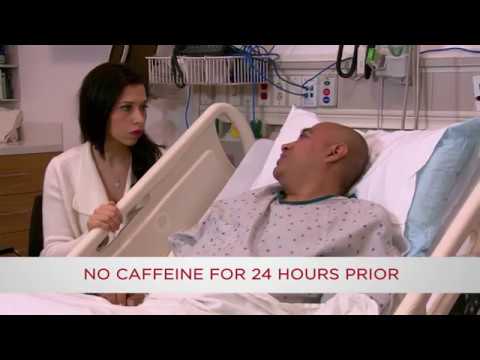
When preparing for this test, you might be asked to avoid caffeine or certain medications beforehand. It’s all about getting accurate results! Remember though, while these tests provide valuable insights, they’re just one piece in the puzzle of diagnosing cardiovascular conditions.
In terms of safety, nuclear stress tests are generally considered low-risk and complications are rare. The amount of radiation exposure from these tests tends to be similar to what you’d receive from a few X-rays.
Ultimately, understanding these procedures can help alleviate some anxiety around them. Being informed about what’s involved gives patients more control over their health journey.