The information provided in this article is intended solely for general informational and educational purposes. It does not constitute medical advice, diagnosis or professional treatment, and should not be considered a substitute for consultation with a qualified doctor or other licensed healthcare professional. Any health-related decisions should be made in consultation with accredited medical professionals.
While efforts have been made to ensure the information is accurate and up to date, no guarantees are given—either express or implied—regarding its accuracy, completeness, currency or suitability. Use of this information is at your own discretion.
It is strongly recommended to consult official sources such as the NHS (National Health Service) or other recognised medical institutions before acting on any information contained on this website or article. Under no circumstances should professional medical advice be ignored or delayed due to content read here.
This content is of a general and informational nature only. It is not intended to replace individualised guidance from a healthcare professional or to establish any doctor-patient relationship. The publication of this information does not imply any professional responsibility, guarantee or obligation on the part of the author or this site.
Have you ever wondered what happens when your skin is cut? It’s fascinating, really. Our bodies have this incredible ability to heal. But sometimes, that healing needs a little help. That’s where stitches come in.
Stitches are those small threads used to hold the edges of a wound together. They might look simple, but they play a crucial role in how we recover from injuries. Understanding their purpose can ease concerns when you or someone you love faces an injury requiring stitches.
In this article, we’ll dive into why stitches are important and how they aid our recovery process. We’ll talk about different types of stitches and what to expect during the healing journey.
It’s totally normal to feel anxious about getting stitched up or caring for a wound afterward. You’re not alone in wondering about this! Remember, though, while this article offers insights, it’s not a substitute for medical advice. Always check with a healthcare professional for personalized guidance.
The Essential Guide to Easing Discomfort and Promoting Healing
Understanding Stitches: Their Purpose and Recovery Process
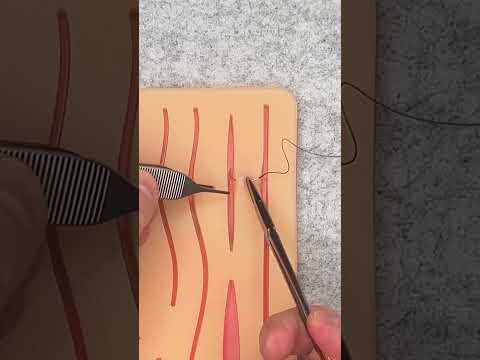
Stitches, also known as sutures, are used to hold the edges of a wound together. Think of them like tiny anchors that keep things in place while your body heals. They’re commonly used after surgeries or for cuts that are deep or gaping.
When you get stitches, it’s important to know they help prevent infection. By keeping the edges of a wound close, they reduce the chance of bacteria getting in. That’s pretty crucial because infections can complicate healing.
The Types of Stitches
There are a couple types of stitches—absorbable and non-absorbable. Absorbable stitches dissolve on their own over time, usually within weeks. You won’t have to return to have them removed.
Non-absorbable stitches, on the other hand, need to be taken out by a healthcare professional once your wound has healed adequately. It’s like setting up a reminder to check in on your healing process.
The Recovery Process
Recovery from stitched wounds varies based on several factors—like the size and location of the wound or your overall health. Generally, you’re looking at about 5 to 14 days for most simple stitches before they come out or start dissolving.
Your body will go through stages during healing: inflammation, tissue formation, and then remodeling. So don’t be surprised if you notice swelling or tenderness initially; that’s part of getting better!
Caring for Stitches
You can do simple things at home to promote healing and lessen discomfort. Keeping the area clean and dry is key. Gently washing with soap and water can help avoid infections.
Avoiding heavy lifting or strenuous activities isn’t just advice; it helps prevent reopening stitches and prolonging recovery time.
- Change dressings as instructed by healthcare provider.
- Avoid submerging stitched areas in water until cleared.
- Watch for signs of infection—redness, excessive swelling, or pus might signal trouble.
Pain Management
Pain after getting stitches is normal but should be manageable. Over-the-counter pain relievers can often help ease any discomfort you’re feeling. However, always follow dosage recommendations!
The Importance of Follow-Up
If you have any concerns about how things are healing—like unusual pain or if it looks worse instead of better—don’t hesitate to reach out for help. Your body is telling you something important!
Misperceptions About Stitches
There’s this myth that once you get stitched up it’s all smooth sailing from there—but that’s not quite true! The area needs care long after those stitches are put in place.
If someone tells you that covering wounds with butter helps heal faster? That’s just not accurate! Keeping wounds clean is always the way to go.
- Your body needs time; patience plays a big role in recovery!
- Taking care during everyday activities can really make a difference too.
- If you’re ever unsure about something related to your healing process ask questions!
This journey with stitches may feel daunting at times but understanding what’s going on can make it less intimidating—we all want our bodies back up and running smoothly again! So take care of yourself through this process and give yourself grace along the way too!
Understanding the Journey of Recovery Through Healing Stitches
Stitches, or sutures, are one of those things we might not think about until we need them. You know, they hold together our skin after we get a cut or surgery. It’s like sewing up a hole in your favorite shirt; it keeps everything intact.
So, what’s the main purpose of stitches? Basically, they help to close wounds, preventing infection and allowing the body to start its healing process. They can be absorbable or non-absorbable. Absorbable stitches dissolve on their own over time, while non-absorbable ones may need to be removed later by a healthcare person.
The Healing Process
Now let’s talk about recovery. Once stitches are placed, your body goes into action. It’s like having an internal repair crew! The first step is inflammation—your body sends cells to the area to fight any germs and clean up debris.
After that comes new tissue formation. The body begins creating new skin and blood vessels to replace what’s been damaged. This takes time; you might notice changes happening slowly but surely over days and weeks.
Taking Care of Stitches
It’s important during recovery to keep the area clean and dry. Imagine cooking with a messy apron—if you don’t wipe it down regularly, things can get outta hand! Similarly, caring for stitches reduces the risk of infection.
If you notice increased redness or swelling around the stitches, it could be a sign that something’s off. Sometimes people think it’s just normal healing when actually there could be an underlying issue like an infection.
The Time Frame
The duration for keeping stitches can vary based on where they’re located and how deep they are. For instance, facial stitches may come out in about 5-7 days while those in deeper tissues could take longer—like 10-14 days or more.
This can feel frustrating sometimes; waiting isn’t easy! But remember that patience is key here—the goal is full healing without complications!
When to Seek Help
- If there’s persistent pain that’s getting worse instead of better.
- If you see excessive bleeding around your wound—like soaking through bandages.
- If there’s any discharge that’s foul-smelling or unusual in color.
- If you’re feeling feverish without explanation—as this could indicate an infection too.
Ultimately, understanding how stitches work and what happens during recovery helps demystify that journey towards healing—a complex but completely natural process!
Understanding Your Recovery Timeline After Stitches are Taken Out
After you get stitches, many people wonder about the recovery timeline. It can feel a bit confusing at times, especially if you’re dealing with pain or discomfort. So, let’s break it down together.
What Happens After Stitches Are Removed?
Once those stitches come out, things don’t just snap back to normal. The healing process is still ongoing. When stitches hold skin together, they help in healing. But once they’re gone, your body needs time to rebuild strength and elasticity in that area.
How Long Does Recovery Take?
The timeline for recovery can vary quite a bit, depending on factors like your age, overall health, and the location of the stitches. Usually, you can expect some sensitivity for about one to two weeks after removal.
- Surface Wounds: For minor cuts or procedures on the skin’s surface like small lacerations, full healing could take around one month.
- Surgical Sites: If you had a surgery that involved deeper layers of skin and tissue, it might take several weeks or even months.
What Should You Expect During Healing?
You might notice some swelling or redness as your body continues to heal. That’s pretty normal! Just think of it as your body’s way of working hard to fix itself.
A good thing to keep in mind is that itchiness can be a sign of healing too. As new tissues form under the skin surface, it may feel annoying sometimes!
Pain Management Post-Stitches
If you’re feeling pain after getting your stitches out, it’s not always surprising. Over-the-counter pain relievers can be helpful here—just make sure to follow any guidelines from whoever treated you.
Caring for Your Skin After Stitches
Caring for your wound site is essential during this phase. Keep it clean and protected from dirt or irritants. It’s like putting a little bubble around that area while it gets stronger!
- Avoid harsh soaps or skincare products directly on the site until you’re sure it’s safe.
- If you notice anything odd like increased swelling or pus-y discharge, don’t hesitate to reach out for help.
When To Seek Help?
If recovery isn’t going as expected—like if pain escalates instead of improving—it might be time to check in with someone who knows what they’re doing professionally! Sometimes just getting reassurance is all you need.
Your Body Knows Best
No two people heal exactly alike; we all have our unique timelines influenced by our bodies’ conditions and care practices during recovery. So listen to your body; it’ll guide you through the process!
Understanding Stitches: Their Purpose and Recovery Process
Stitches, or sutures, play an important role in healing wounds. They’re basically threads used to sew skin together after an injury or surgery. Think of stitches like zipping up a jacket; they hold everything in place while the body heals.
The main purpose of stitches is to help wounds close properly to prevent infection and promote faster recovery. When you have a cut, your body naturally tries to heal it by forming scar tissue. Stitches assist this process by keeping the edges of the wound aligned.
A recovery process might involve some discomfort, which is perfectly normal. After getting stitched up, you’ll likely feel some soreness where the sutures are. It’s similar to how a bruise feels after bumping into something—just part of the healing journey.
Care for your stitches is crucial. Keeping them clean and dry helps avoid infections. Doctors usually provide specific instructions about when you can shower or apply ointments. Follow these guidelines closely; they’re designed with your best interests in mind.
Removing stitches often happens within a week or two, depending on the location and type of wound. Once removed, it’s like taking off that jacket—you might feel a sense of relief! However, it’s essential to keep an eye on the area for any signs of infection even after they’re gone.
In essence, while stitches might seem basic, they play a key role in our body’s repair system. Understanding their function can make recovery less daunting and more manageable.