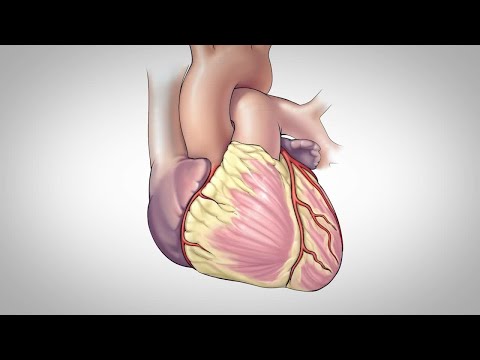
Understanding triple bypass surgery can be a daunting journey, but it’s one filled with purpose and hope. Imagine your heart as a bustling city, with highways (blood vessels) supplying essential nutrients and oxygen to every part. When these highways become blocked or narrowed due to plaque buildup, the flow of traffic slows, leading to potential heart issues. Triple bypass surgery is like constructing new roads to ensure that blood reaches its destination without obstacles.
During this procedure, surgeons create routes around the blocked arteries using blood vessels from other parts of the body. This allows for improved circulation and helps restore the heart’s function. However, like any major operation, there are risks involved and a recovery process that requires dedication and patience.
It is crucial to approach this topic from multiple angles. Always consult with various specialists—surgeons, cardiologists, nutritionists—and consider reliable sources of information. Each perspective adds depth to your understanding and equips you with knowledge for informed decisions about your health.
Warning: The journey through triple bypass surgery is complex and unique for each individual. Do not rely solely on anecdotes or sensational media reports; instead, take the time to gather information from trusted professionals and established medical platforms. Empower yourself with knowledge as you navigate this important decision for your heart health.
The information provided in this article is intended solely for general informational and educational purposes. It does not constitute medical advice, diagnosis or professional treatment, and should not be considered a substitute for consultation with a qualified doctor or other licensed healthcare professional. Any health-related decisions should be made in consultation with accredited medical professionals.
While efforts have been made to ensure the information is accurate and up to date, no guarantees are given—either express or implied—regarding its accuracy, completeness, currency or suitability. Use of this information is at your own discretion.
It is strongly recommended to consult official sources such as the NHS (National Health Service) or other recognised medical institutions before acting on any information contained on this website or article. Under no circumstances should professional medical advice be ignored or delayed due to content read here.
This content is of a general and informational nature only. It is not intended to replace individualised guidance from a healthcare professional or to establish any doctor-patient relationship. The publication of this information does not imply any professional responsibility, guarantee or obligation on the part of the author or this site.
Navigating the Road to Recovery After Heart Surgery
Recovering from heart surgery, especially a triple bypass, can feel like a long journey. Understanding this process can help make it less overwhelming. Let’s explore what recovery looks like and how to navigate this road.
Firstly, what is heart surgery recovery? It’s the time your body needs to heal after having procedures to improve blood flow. This may involve the use of new blood vessels to bypass blocked arteries.
The initial days post-surgery are crucial. You may stay in the hospital for monitoring. You’ll likely experience pain and discomfort, which is normal. Your healthcare team will help manage this as you start to regain strength.
Once home, expectations might shift again. This phase could last several weeks or even months. It’s important to listen to your body and pace yourself.
During recovery, you’ll also focus on diet and lifestyle changes. Eating nutritious foods supports healing and overall heart health. Think of it as fueling a car; good fuel helps it run better.
You should pay attention to surgical site care. Keeping the area clean prevents infection. Watch for any unusual symptoms, like increased redness or swelling.
It’s also important to attend follow-up appointments with your healthcare team. They’ll track your progress and adjust medications if needed.
There are common myths around recovery that deserve clarification. Some might think they need complete bed rest; however, light activity is essential for healing.
Lastly, remember that everyone’s journey is different. Comparing yourself with others might lead you astray. Focus on your own path toward health and wellness after surgery.
As you navigate this recovery road, embrace patience and positivity while remembering: small steps lead to big changes over time!
Navigating the Journey to Recovery and Renewed Vitality
Understanding the journey after a triple bypass surgery is vital for those undergoing this procedure. It can feel overwhelming, but with the right knowledge, you can navigate your recovery effectively.
Triple bypass surgery is performed to improve blood flow to the heart. It involves using a vein or artery from another part of your body to bypass blocked arteries. This helps reduce strain on the heart and alleviates symptoms like chest pain.
Recovery begins as soon as the surgery is over. You’ll likely spend some time in a hospital where healthcare professionals will monitor your vital signs closely. It’s important to ask questions and understand what is happening during this phase.
Once you are home, you may experience mixed emotions—relief, fatigue, or even anxiety about what lies ahead. This is completely normal. Remember that recovery takes time. Being patient with yourself is key.
Here are some important aspects to consider during your recovery:
Emotional wellbeing also plays a significant role in recovery. Support from family and friends can be invaluable during this time.
Educating yourself about lifestyle changes post-surgery can foster renewed vitality in life. Quitting smoking, limiting alcohol intake, and managing stress contribute positively.
Be cautious of information online that may promote quick fixes or miracle solutions; rely on credible sources instead.
As you progress through recovery, remember that setbacks can happen—it’s part of the journey. Stay connected with healthcare providers for guidance when facing challenges.
Ultimately, achieving robust health after triple bypass surgery requires effort from both you and your support system. Celebrate small victories along the way!
The path may seem long at times but each step taken leads toward better heart health and improved vitality for the future.
Essential Mistakes to Avoid for a Smooth Recovery
Recovering from triple bypass surgery is a journey. It requires careful attention and understanding to ensure the best outcome. There are several common mistakes patients often make during recovery. Avoiding these can help you navigate this critical time more smoothly.
First and foremost, don’t rush your recovery. After such a major surgery, your body needs time to heal. It’s easy to feel impatient, but pushing yourself too hard can lead to complications. Take things step by step.
Your body communicates with you through symptoms. If something feels off or painful, don’t brush it aside. Contact your healthcare provider for guidance.
Neglecting follow-up appointments is also risky. These visits allow healthcare professionals to monitor your recovery. They can catch any issues early on and adjust your care as needed.
Another mistake is not asking questions. If you have concerns or uncertainties about what’s normal during recovery, speak up! Understanding the process helps reduce anxiety and empowers you in your healing journey.
After surgery, give your body the nutrients it needs to recover well. Focus on whole foods, fruits, vegetables, lean proteins, and healthy fats.
Don’t forget about rest. While it’s important to stay active within limits, adequate sleep is vital for healing too. Listen to your body’s signals for rest and take breaks when needed.
Lastly, resuming activities too soon can lead to setbacks. Gradually reintroduce physical activity under guidance rather than diving back into old routines right away.
Remember that every journey is unique and patience plays a big role in successful recovery after triple bypass surgery. Stay informed and engaged with your health choices; this will guide you toward a smoother recovery path.
Understanding triple bypass surgery is an enlightening journey that reveals much about cardiovascular health and the complexities of our bodies. This procedure, which redirects blood flow around blocked arteries, highlights the importance of addressing heart disease proactively.
The purpose of a triple bypass is to improve blood flow to the heart, significantly reducing the risk of heart attacks and improving overall quality of life. It serves as both a lifesaving intervention and a wake-up call about the necessity of maintaining heart health through diet, exercise, and regular check-ups.
However, like any major surgery, it comes with risks. Complications can arise during or after the procedure, including infections or issues related to anesthesia. Understanding these risks equips patients and their families with knowledge to make informed decisions regarding surgery and post-operative care.
Recovery from triple bypass surgery is a gradual process. It’s not just about healing physically but also about making lifestyle changes that support long-term heart health. Patients often engage in cardiac rehabilitation programs that provide guidance on exercise and nutrition.
This reflection underscores how crucial it is for individuals to embrace education on their health journeys—whether through understanding surgical options or adopting preventive measures for potential heart issues. Informed choices foster resilience and encourage healthier lifestyles, ultimately enhancing wellbeing in profound ways.