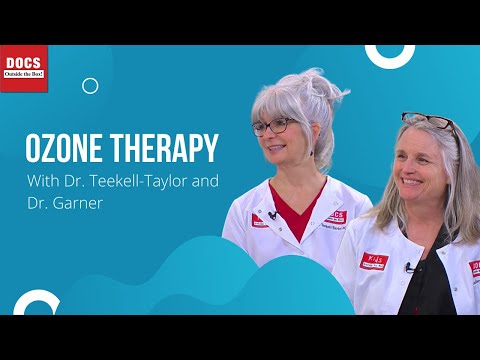
Ozone Therapy is an intriguing topic that has gained attention in recent years. Imagine a treatment that utilizes a form of oxygen, aiming to enhance healing and bolster the immune system. This method, known as ozone therapy, involves introducing ozone—a molecule composed of three oxygen atoms—into the body to potentially address various health issues. Many people are curious about its benefits and uses, ranging from pain management to supporting overall wellness.
So, what can you expect from this therapy? Advocates suggest it may improve circulation, reduce inflammation, and even assist those with chronic conditions. However, just like any medical treatment, understanding how it works and its implications is essential for making informed choices.
Before diving into anything new, it’s crucial to do your homework. Ozone therapy isn’t universally accepted by all healthcare professionals. While some champion its potential benefits, others raise concerns about safety and efficacy. It’s wise to consult multiple specialists and explore diverse sources of information. Informed choices empower you to take charge of your health responsibly.
Remember: curiosity is a great starting point for knowledge—but balanced understanding is key to making the best health decisions for yourself!
The information provided in this article is intended solely for general informational and educational purposes. It does not constitute medical advice, diagnosis or professional treatment, and should not be considered a substitute for consultation with a qualified doctor or other licensed healthcare professional. Any health-related decisions should be made in consultation with accredited medical professionals.
While efforts have been made to ensure the information is accurate and up to date, no guarantees are given—either express or implied—regarding its accuracy, completeness, currency or suitability. Use of this information is at your own discretion.
It is strongly recommended to consult official sources such as the NHS (National Health Service) or other recognised medical institutions before acting on any information contained on this website or article. Under no circumstances should professional medical advice be ignored or delayed due to content read here.
This content is of a general and informational nature only. It is not intended to replace individualised guidance from a healthcare professional or to establish any doctor-patient relationship. The publication of this information does not imply any professional responsibility, guarantee or obligation on the part of the author or this site.
Discover the Surprising Ways Ozone Can Transform Our World
Ozone is often thought of in terms of environmental health, particularly regarding air quality. However, it has some surprising applications when it comes to therapy and healing.
So, what is ozone? It’s a molecule consisting of three oxygen atoms. This form of oxygen exists naturally in the atmosphere and plays a critical role in protecting us from harmful UV radiation.
In recent years, ozone therapy has gained attention. It involves using ozone gas to treat various health conditions. Many people are curious about how this works and what it can offer.
Potential benefits include:
Imagine your body as a car. Just as a car needs fuel and clean air to run smoothly, our bodies require oxygen for optimal function. Ozone therapy may help improve how our cells use oxygen.
Ozone can be administered in several ways: through injections, as gas for inhalation, or even applied topically on the skin. Each method serves different purposes and targets specific issues.
Some health conditions that have shown interest in ozone therapy are arthritis, infections, and certain chronic diseases. However, research is still ongoing to fully understand its effectiveness.
It’s important to note that while many individuals report positive experiences, results can vary widely among people. Not everyone may benefit from this type of therapy.
Misinformation abounds, so it’s essential to approach this with caution. Some claim ozone is a miracle cure for everything, which isn’t accurate. Always seek evidence-based information before deciding on any treatment option.
When exploring ozone therapy or any new health trend, consider these tips:
In summary, ozone has intriguing potential beyond its environmental importance. While it shows promise as a therapeutic option, ongoing research is crucial for understanding its full impact on health.
Always prioritize safety and informed choices when considering new therapies or treatments!
Insights into Your Recovery Journey and Benefits Ahead
Ozone therapy is gaining attention as an alternative treatment option. It uses a mixture of oxygen and ozone gas to potentially support health and recovery. Understanding what it involves can help you make informed choices.
What is Ozone Therapy?
Ozone therapy involves administering ozone gas into the body in controlled amounts. This can be done through various methods, including injection, insufflation, or mixing with blood.
Potential Benefits
People explore ozone therapy for different reasons. Some believe it may help with:
Though these benefits sound promising, more research is needed to fully understand how effective this treatment really is.
Your Recovery Journey
If you choose to explore ozone therapy, it’s important to approach your journey with patience. Each person’s body responds differently to treatments.
You might feel a range of sensations during the process, but everyone has unique experiences. Keeping track of how you feel can be valuable information for future sessions.
Benefits Ahead
Many people are drawn to ozone therapy due to its potential holistic approach. By focusing on enhancing oxygen delivery in the body, some expect improved overall wellness over time.
Remember that lifestyle choices play a big role too. Combining any treatment with healthy habits like good nutrition and regular exercise might enhance your recovery experience.
Caution and Consideration
It’s crucial not to rely solely on any single treatment like ozone therapy for health issues. Always consult healthcare professionals about what’s best for your specific situation.
Educating yourself about all potential therapies empowers you. The journey of healing and recovery requires an open mind as well as a heart committed to well-being.
As you navigate this path, keep your expectations realistic and stay informed about ongoing developments in therapies like ozone treatment. It’s always wise to ask questions when seeking new health options!
Exploring the Effectiveness of Ozone Therapy in Health and Wellness
Ozone therapy is an alternative treatment that has gained attention in recent years. It involves using ozone gas to promote healing and wellness. But what exactly does this mean, and is it effective?
Ozone is a molecule composed of three oxygen atoms. In the atmosphere, ozone can protect us from harmful UV rays. However, when used therapeutically, it aims to enhance oxygen delivery and improve cellular function.
Potential Benefits:
It’s important to know that while some people report positive experiences with ozone therapy, scientific research remains mixed. Some studies suggest benefits, while others find little or no effectiveness.
One common form of ozone therapy includes insufflation, where the gas is introduced into the body through various methods. Patients may also receive ozone injections or breathe it in under controlled conditions.
However, there are risks. Ozone can be harmful if inhaled directly in high concentrations. Potential side effects include discomfort at injection sites or respiratory issues if not administered properly.
Critics often argue that more rigorous studies are needed to determine its effectiveness and safety long-term. This highlights the importance of skepticism and critical thinking when exploring therapies like this.
If you’re considering ozone therapy, it’s essential to do thorough research. Talk with healthcare professionals who understand your health history before making any decisions.
In conclusion, while some individuals find value in ozone therapy for various health issues, its role in medical treatment remains under investigation. Always prioritize informed choices when it comes to your health and wellness journey.
Ozone therapy has gained interest as an alternative treatment for various health conditions. It’s important to approach this topic with a clear understanding. Ozone, a form of oxygen, is often touted for its potential healing properties. However, it’s essential to differentiate between evidence-based benefits and anecdotal claims.
Benefits: Advocates suggest ozone therapy may enhance oxygen delivery in tissues, improve circulation, and even bolster the immune system. Some studies indicate potential benefits in treating conditions like chronic pain and certain infections.
Uses: Ozone therapy can be administered through various methods—injectable forms, insufflation, or even topical applications. Each method carries its own risks and benefits. It’s vital to consult health professionals who are knowledgeable about these practices.
What to Expect: While some patients report positive outcomes, experiences can vary widely. Notably, ozone therapy is not FDA-approved for many uses and should not be seen as a substitute for conventional medical treatments.
In reflecting on ozone therapy, it’s crucial for individuals to base their choices on thorough research and professional guidance rather than trends or sensational claims. Open conversations with healthcare providers can help navigate this complex landscape responsibly. Critical thinking about such therapies ensures informed health decisions are made with safety as a priority.