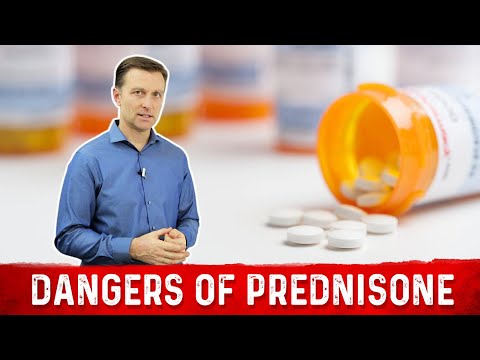
Prednisolone oral is a medication many people encounter, whether for managing chronic conditions or addressing sudden flare-ups. Think of it as a powerful tool in the medicine cabinet, designed to help your body combat inflammation and boost its ability to heal. This corticosteroid mimics natural hormones produced in the adrenal glands, helping to manage diseases ranging from allergies and asthma to autoimmune disorders.
While prednisolone can offer significant benefits, such as reducing swelling and alleviating pain, it’s important to understand that it also comes with risks. Like any strong medication, it can affect your body in unexpected ways. Side effects may include weight gain, mood changes, and weakened bones when used long term.
Interactions with other medications are another important consideration. Just like mixing certain ingredients can change a recipe entirely, combining prednisolone with other drugs can alter its effectiveness or lead to unwanted side effects.
Warning: It’s crucial to approach prednisolone with knowledge and caution. Always consult with healthcare professionals before starting or changing any treatment plan. Remember that every individual reacts differently—what works for one person might not work for another. Explore reputable sources and seek advice from multiple specialists if needed. Knowledge is empowering; stay curious and informed about your health choices!
The information provided in this article is intended solely for general informational and educational purposes. It does not constitute medical advice, diagnosis or professional treatment, and should not be considered a substitute for consultation with a qualified doctor or other licensed healthcare professional. Any health-related decisions should be made in consultation with accredited medical professionals.
While efforts have been made to ensure the information is accurate and up to date, no guarantees are given—either express or implied—regarding its accuracy, completeness, currency or suitability. Use of this information is at your own discretion.
It is strongly recommended to consult official sources such as the NHS (National Health Service) or other recognised medical institutions before acting on any information contained on this website or article. Under no circumstances should professional medical advice be ignored or delayed due to content read here.
This content is of a general and informational nature only. It is not intended to replace individualised guidance from a healthcare professional or to establish any doctor-patient relationship. The publication of this information does not imply any professional responsibility, guarantee or obligation on the part of the author or this site.
Navigating the Potential Side Effects and Long-Term Implications of Prednisone Use
Prednisone is a powerful medication often used to treat various conditions like inflammation, autoimmune disorders, and allergies. While it can bring relief, understanding its side effects and long-term implications is essential for informed decision-making.
First, let’s talk about the benefits. Prednisone works by suppressing the immune system, which reduces inflammation. Many people experience significant improvement in their symptoms. However, this suppression can also lead to side effects.
Some common short-term side effects include:
These side effects can vary from person to person. It’s like each body has its own way of reacting to the medication.
Long-term use of prednisone raises more serious concerns. When taken over an extended period, it can affect various bodily systems. One major risk is osteoporosis or weakening of bones. Imagine bones as a building; if the foundation weakens, the whole structure may become unstable.
Another potential issue is adrenal insufficiency. This happens when your body becomes reliant on prednisone for cortisol production and struggles to regulate hormones naturally when the medication is stopped.
Other long-term risks may include:
It’s important to regularly monitor health if using prednisone for an extended time. Regular check-ups with healthcare providers help recognize any emerging issues early.
When discontinuing prednisone, a gradual tapering process is usually recommended rather than stopping suddenly. This helps the body adjust and regain its natural hormone production.
Additionally, lifestyle choices play an important role while on prednisone. Eating a balanced diet rich in calcium and vitamin D can help reduce osteoporosis risk. Staying active also supports overall health during treatment.
While discussing potential interactions with other medications is vital too, some may cause adverse reactions when combined with prednisone—like certain antibiotics or vaccines.
Always communicate openly with your healthcare provider about all medications you’re taking and any concerns you might have about side effects or interactions.
Lastly, remember that each person’s situation is unique. What works for one individual might not be suitable for another due to differences in health conditions or reactions to medications.
Being informed helps you navigate prednisone use effectively while minimizing risks and enjoying the benefits it offers in managing your health condition.
Exploring the Healing Power of Prednisolone Tablets for Your Health
Prednisolone is a medication that belongs to a class called corticosteroids. It’s often used to reduce inflammation in the body. Think of inflammation as your body’s natural response to injury or illness, similar to how a fire alarm goes off when there’s smoke. Prednisolone helps calm that “fire.”
What It Treats:
Prednisolone can be helpful for various conditions, such as asthma, arthritis, and allergies. It can also support people with autoimmune diseases, where the body’s immune system attacks itself.
How It Works:
The medicine mimics cortisol, a hormone produced by your adrenal glands. It works by blocking substances in the body that cause inflammation. Imagine it as turning down the volume on an annoying radio – it won’t eliminate the noise but will make it much quieter.
Benefits:
Using prednisolone can lead to significant improvements in symptoms for many people. Reducing swelling may enhance mobility and improve overall well-being.
Possible Risks:
Like any medication, prednisolone comes with potential side effects. Common ones include weight gain, mood changes, and increased appetite. For some people, it might cause more serious issues like high blood sugar or weakened bones over time.
It’s crucial to use prednisolone exactly as directed by a healthcare provider. Stopping suddenly can cause withdrawal symptoms since your body may rely on it after long-term use.
Interactions:
Prednisolone may interact with other medicines you take. Certain medications for heart issues or infections could affect how well it works or increase side effects.
Always talk about all your medications with a healthcare provider before starting prednisolone.
Mental Health Considerations:
Some individuals experience mood swings or anxiety while taking this medication. It’s essential to monitor these shifts and communicate openly with someone who can help if needed.
In conclusion, prednisolone tablets can offer important health benefits for managing various conditions but come with risks that must be managed carefully. This medication is just one part of an overall treatment plan tailored specifically to individual needs and circumstances.
Knowledge is power when making health decisions! Keep asking questions and seeking information that empowers you along your journey toward wellness.
Unlocking the Benefits of Oral Prednisone: A Guide to Its Uses and Effects
Oral prednisone is a type of medicine that belongs to a class called corticosteroids. It is commonly used to treat various health conditions by reducing inflammation and suppressing the immune system. Think of it as a powerful tool that can help manage symptoms, but it needs to be used carefully.
Uses
Prednisone can be prescribed for several reasons, including:
The way prednisone works is quite interesting. It mimics cortisol, a hormone our body naturally produces in response to stress. This helps lower the inflammation and immune response that can cause issues.
Effects on the Body
While prednisone is effective, it may come with some side effects. Not everyone will experience them, but being aware is important. Common side effects include:
Long-term use may lead to more serious complications such as weakened bones (osteoporosis), higher blood sugar levels, and increased risk of infections. That’s why it’s crucial to use it under careful supervision.
Interactions with Other Medications
Prednisone can interact with other medications you might be taking. For example, nonsteroidal anti-inflammatory drugs (NSAIDs) may increase the risk of stomach problems when taken together with prednisone.
Also, some vaccines might not work well if you’re on prednisone because your immune system is suppressed during treatment. Always discuss your current medications with your healthcare provider before starting prednisone.
Caution in Use
It’s vital not to stop taking prednisone suddenly after long-term use; this can lead to withdrawal symptoms due to the body’s adjustment process. Gradual tapering off under guidance helps prevent complications.
If you’re considering oral prednisone for treatment, make sure you have an open conversation about its benefits and risks with your healthcare provider. Understanding how it works will help you make informed decisions about your health management.
In summary, oral prednisone can be an effective option for managing many conditions if used carefully and responsibly. Always prioritize open communication with your healthcare provider regarding any concerns or questions you may have during treatment.
Prednisolone is a corticosteroid that is often prescribed for its anti-inflammatory and immunosuppressive effects. Understanding its benefits, risks, and possible interactions is crucial for safe and effective use.
Benefits: Prednisolone can significantly alleviate symptoms in conditions like asthma, arthritis, and autoimmune diseases. It works by reducing inflammation and modulating the immune response. Many patients find relief from persistent symptoms, improving their quality of life.
Risks: Long-term use of prednisolone can lead to side effects such as weight gain, osteoporosis, diabetes risk increase, and suppression of the body’s natural hormone production. These risks make it essential to monitor patients closely while on therapy. Short-term use typically has fewer side effects but still warrants attention.
Interactions: Prednisolone can interact with various medications. For example, it may enhance the effects of blood thinners or reduce the efficacy of certain vaccines. Patients should always inform their healthcare provider about all medications they are taking to avoid dangerous interactions.
In conclusion, while prednisolone offers significant therapeutic benefits for many health conditions, being aware of its potential risks and interactions is fundamental for both patients and providers. Engaging in open communication about these factors promotes informed decision-making for optimal health outcomes.