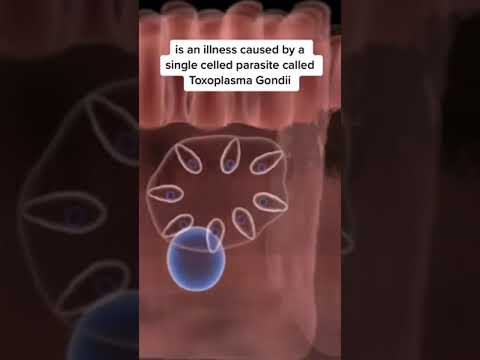
Toxoplasmosis might sound like a mouthful, but it’s more common than you think. This infection is caused by a tiny parasite called Toxoplasma gondii, often found in cat feces but can also come from contaminated food and water. Imagine the infection as an uninvited guest sneaking into your home—sometimes it settles in without causing any trouble, while other times it brings unwanted issues.
Many people have been exposed to this parasite without even knowing it. For most, the immune system keeps it at bay effortlessly. However, for pregnant women and those with weakened immune systems, toxoplasmosis can lead to serious complications. This makes understanding the infection all the more vital.
Recognizing symptoms is key! They can range from mild flu-like signs to more severe neurological effects in vulnerable populations. If you’re curious about how this parasite operates or want to learn about prevention methods, it’s essential to explore reliable resources and reach out to various specialists.
**Warning:** Misunderstandings about toxoplasmosis are common. It’s crucial not only to rely on one source of information but also to consider different perspectives from qualified experts and diverse media outlets. Stay informed and take action wisely!
The information provided in this article is intended solely for general informational and educational purposes. It does not constitute medical advice, diagnosis or professional treatment, and should not be considered a substitute for consultation with a qualified doctor or other licensed healthcare professional. Any health-related decisions should be made in consultation with accredited medical professionals.
While efforts have been made to ensure the information is accurate and up to date, no guarantees are given—either express or implied—regarding its accuracy, completeness, currency or suitability. Use of this information is at your own discretion.
It is strongly recommended to consult official sources such as the NHS (National Health Service) or other recognised medical institutions before acting on any information contained on this website or article. Under no circumstances should professional medical advice be ignored or delayed due to content read here.
This content is of a general and informational nature only. It is not intended to replace individualised guidance from a healthcare professional or to establish any doctor-patient relationship. The publication of this information does not imply any professional responsibility, guarantee or obligation on the part of the author or this site.
Unraveling the Mystery of Toxoplasmosis Diagnosis
Toxoplasmosis is a disease caused by a parasite called Toxoplasma gondii. It’s often associated with cats, as they can carry the parasite in their feces. But many people don’t realize that it can also be found in undercooked meat and contaminated water.
Diagnosing toxoplasmosis can be tricky. Symptoms might mimic other illnesses, which adds to the confusion. Many people, especially those with healthy immune systems, may not show any signs at all.
Common symptoms of toxoplasmosis include:
In more severe cases, especially in those with weakened immune systems or pregnant women, it can lead to serious complications like eye problems or birth defects.
Diagnosis typically involves blood tests that look for antibodies to the parasite. However, these tests can’t always tell if an infection is recent or old. Sometimes doctors may need more advanced imaging techniques if complications arise.
It’s essential to note that most healthy individuals will recover without treatment. However, if you suspect an infection or have risk factors like pregnancy or immune suppression, seeking medical advice is crucial.
Many myths surround toxoplasmosis. For instance, not everyone who owns a cat will contract the disease. Good hygiene practices can significantly reduce risk.
Understanding how toxoplasmosis works empowers you to make informed decisions about your health and safety. Stay aware of risks and practice safe food handling and hygiene to keep yourself protected!
Navigating Care Options for Toxoplasmosis: Essential Insights and Recommendations
Toxoplasmosis is an infection caused by a tiny parasite called Toxoplasma gondii. Most people might have it without even knowing because symptoms are often mild or nonexistent. However, it can be more serious for certain groups, such as pregnant women and individuals with weakened immune systems.
Recognizing symptoms early is key. Common signs include flu-like issues like fever, muscle aches, and fatigue. For those with weakened immune systems, it can lead to more severe problems like eye infections or neurological issues.
If you suspect a toxoplasmosis infection, seeking medical advice is vital. Your healthcare provider may suggest blood tests to diagnose the infection. This helps determine the best care options tailored to your situation.
Treatment typically involves medication, especially for those at risk of severe illness. The most common medications include pyrimethamine and sulfadiazine, often combined with folinic acid. While these medicines can help manage the infection, the treatment plan will vary based on individual circumstances.
For healthy individuals without symptoms, treatment may not be necessary. It’s important to monitor your health and stay alert for any changes that could indicate complications.
Prevention plays a huge role in managing toxoplasmosis. Here are some practical tips:
For pregnant women, precautions are even more critical due to potential risks to the unborn child. It’s worth discussing any concerns about exposure with your healthcare provider.
Understanding your care options empowers you to make informed decisions regarding toxoplasmosis. Remember that while navigating this topic can be overwhelming, support is available through medical professionals who can guide you effectively based on your needs.
If you’re ever unsure about what steps to take regarding health concerns related to toxoplasmosis or any other condition, open communication with healthcare providers is essential. They can provide insight and resources specific to your situation.
Stay informed and proactive about your health! It’s never too late to seek knowledge about infections like toxoplasmosis and how best to protect yourself and others around you.
Unraveling the Pathways: How Toxoplasmosis Invades the Body
Toxoplasmosis is an infection caused by a tiny parasite called Toxoplasma gondii. This parasite is quite common and can infect many warm-blooded animals, including humans.
The primary hosts for Toxoplasma are cats. They shed the infectious eggs, known as oocysts, in their feces. Humans can become infected by accidentally ingesting these oocysts from contaminated soil, water, or food.
Once inside the body, the oocysts release the parasites into the intestines. This is where they begin their journey to invade. From the intestines, they can enter the bloodstream and then spread throughout various organs.
In healthy individuals, toxoplasmosis often causes mild or no symptoms at all. Some may experience flu-like symptoms such as fever and fatigue. However, it can be more serious for those with weakened immune systems or pregnant women.
For pregnant women, infection during pregnancy can lead to severe complications for the baby. This includes issues like vision problems and neurological disorders.
The body has a remarkable defense system. In most cases of healthy individuals, it can control the infection effectively. This means that while Toxoplasma may remain in a dormant state in tissues like muscles or brain, it usually doesn’t cause problems unless immunity drops.
Understanding how this parasite works helps us take precautions. For example:
Myths surrounding toxoplasmosis suggest it only comes from cats or that all cat owners will become infected. These ideas are inaccurate. You don’t need to get rid of your pet if you take proper hygiene measures.
Being aware of toxoplasmosis allows people to make informed choices about prevention and treatment if necessary. Knowledge is key when navigating health concerns like this one!
Toxoplasmosis is an infection caused by a parasite called Toxoplasma gondii. It’s quite common and often goes unnoticed, as many people may not show symptoms. However, understanding this infection is crucial because it can lead to serious health issues, especially in pregnant women and those with weakened immune systems.
Recognizing the symptoms of toxoplasmosis can be challenging. Many individuals experience mild flu-like symptoms or no symptoms at all. For some, particularly those who are immunocompromised, it can cause severe complications like pneumonia or neurological problems.
Addressing the infection requires a multi-faceted approach. Diagnostic tests can confirm the presence of the parasite in the body. Treatment typically includes medications that help manage symptoms and reduce parasite levels.
Prevention plays a key role in controlling this infection. Simple practices can make a big difference:
Educating communities about toxoplasmosis is essential for reducing its spread. Increased awareness can help individuals make informed decisions about their health and safety, especially when it comes to vulnerable populations like pregnant women.
In conclusion, while toxoplasmosis may often be overlooked due to its subtle nature, recognizing its potential impact is vital for public health. Ongoing education and preventive measures are key components in addressing this common yet sometimes dangerous infection effectively.