The information provided in this article is intended solely for general informational and educational purposes. It does not constitute medical advice, diagnosis or professional treatment, and should not be considered a substitute for consultation with a qualified doctor or other licensed healthcare professional. Any health-related decisions should be made in consultation with accredited medical professionals.
While efforts have been made to ensure the information is accurate and up to date, no guarantees are given—either express or implied—regarding its accuracy, completeness, currency or suitability. Use of this information is at your own discretion.
It is strongly recommended to consult official sources such as the NHS (National Health Service) or other recognised medical institutions before acting on any information contained on this website or article. Under no circumstances should professional medical advice be ignored or delayed due to content read here.
This content is of a general and informational nature only. It is not intended to replace individualised guidance from a healthcare professional or to establish any doctor-patient relationship. The publication of this information does not imply any professional responsibility, guarantee or obligation on the part of the author or this site.
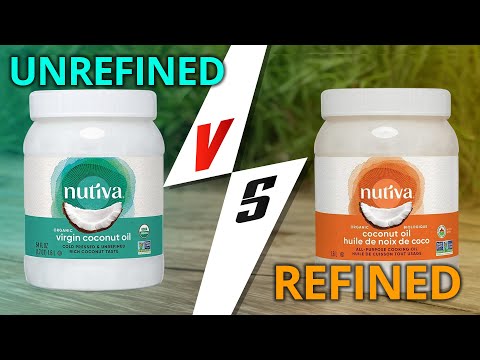
Have you ever wandered down the oil aisle and felt overwhelmed by the choices? You’re not alone! Coconut oil has been a hot topic lately, but there’s a twist: refined versus unrefined. Which one should you pick for your health?
Many people swear by coconut oil for cooking, skin care, and even hair treatments. But here’s the thing: they’re not all created equal. Unrefined coconut oil is like that fresh-off-the-tree experience; it retains its natural goodness. Refined coconut oil, on the other hand, goes through some processing, which can change its properties.
This matters because what you choose impacts your health! It influences everything from your cooking to how well your body absorbs nutrients. So, understanding the differences helps make informed decisions.
As we dive deeper into this topic, keep in mind that this content doesn’t replace medical advice. It’s always important to talk with a healthcare professional before making any big changes to your diet or lifestyle.
So let’s break it down—what makes refined and unrefined coconut oils tick?
Discover the Best Choice for Your Skin Care Routine
Refined vs. Unrefined Coconut Oil: Which Is Healthier for You?
When it comes to coconut oil, there’s often a debate about refined and unrefined types. Both have their uses, but understanding the differences can help you choose the best one for your skin care routine.
What Is Refined Coconut Oil?
Refined coconut oil is processed to remove impurities. The process usually involves high heat and sometimes chemical agents. This makes it very light in flavor and scent, which some people prefer.
It’s great for cooking at high temperatures because it has a higher smoke point than unrefined oil. But be aware, you might lose some of the nutrients found in the raw form.
What About Unrefined Coconut Oil?
Unrefined coconut oil, often labeled as virgin or extra virgin, is made from fresh coconuts and retains its natural flavor and aroma. It’s less processed, meaning it keeps more of the antioxidants and nutrients that can be good for your skin.
This type is often touted for its moisturizing properties. People love using it on their skin as a moisturizer or even as a makeup remover.
Skin Benefits
You might wonder how each type affects your skin. Well, unrefined coconut oil contains lauric acid, which has antimicrobial properties. This could mean it’s helpful in fighting off bacteria on your skin’s surface.
On the other hand, refined coconut oil lacks some of those beneficial compounds due to processing but still serves as an excellent moisturizer.
The Right Choice For You
Your choice between refined and unrefined coconut oil largely depends on what you’re after. If you want something simple for cooking that’s versatile? Refined might suit you better.
If you’re looking to pamper your skin with something more nutrient-rich—especially if you’re prone to dryness—unrefined could be worth considering!
A Note on Allergies
Coconut allergies are rare but not unheard of. If you’ve never used coconut products before, it’s sensible to do a patch test first! Apply a small amount on your inner arm or wrist and see how your skin reacts after 24 hours.
The Bottom Line
Both refined and unrefined coconut oils have their place in skincare routines. Just remember what works well for one person might not work the same way for another!
- If you’re aiming for nutrition packed choices, go with unrefined.
- If you’re all about convenience in cooking, reach for refined.
Discover the Best Choice for Luxurious and Healthy Locks
Refined vs. Unrefined Coconut Oil: What’s the Difference?
Coconut oil has become super popular for both cooking and beauty. It’s often praised for its health benefits and moisturizing properties. But when you walk into a store, you might notice two main types: refined and unrefined. So, what’s the deal with them?
What is Unrefined Coconut Oil?
Unrefined coconut oil is also known as virgin coconut oil. It’s made from fresh coconuts’ flesh and doesn’t go through heavy processing. This means it keeps more of its natural nutrients and flavor. Think of it like fresh-squeezed juice versus store-bought juice.
Benefits of Unrefined Coconut Oil
- You get a strong coconut taste, which can add flavor to dishes.
- It retains antioxidants that are helpful for your body.
- Some people love using it on their skin or hair for extra hydration.
What about Refined Coconut Oil?
Refined coconut oil typically comes from dried coconut meat, known as copra. The process includes refining, bleaching, and deodorizing. While this makes the oil more shelf-stable and neutral in flavor, some nutrients may be lost along the way.
The Pros of Refined Coconut Oil
- If you’re cooking at high temperatures, refined oil has a higher smoke point.
- The neutral flavor makes it versatile for various recipes.
- This type usually has a longer shelf life than unrefined oils.
Which One is Healthier?
This really depends on what you plan to use it for! If you’re looking to maximize nutritional benefits or enjoy that coconut taste, unrefined is a strong choice. However, if you need something with higher heat tolerance or prefer less flavor in your cooking, refined might fit better.
How to Choose?
When picking between the two options, consider your cooking methods or beauty routines. Look at labels too—ensuring it’s organic can be a plus! Also think about sustainability; some brands emphasize eco-friendly practices when sourcing coconuts.
A Note on Healthy Hair
Coconut oil can also be great for locks! Many people apply either type to nourish dry hair or as a scalp treatment. Just remember that everyone’s hair reacts differently—experimenting could help you find what works best!
The Final Words
You know, both refined and unrefined coconut oils have their places in your kitchen or beauty cabinet; it’s all about what suits your needs best. Always feel free to try different options until you find what feels right for you!
Discover the Best Choice for Your Culinary Creations
Refined vs. Unrefined Coconut Oil
Coconut oil has become pretty popular in the cooking world. You might be wondering, what’s the difference between refined and unrefined coconut oil? And which one should you choose for your kitchen creations? Let’s break it down.
What is Refined Coconut Oil?
Refined coconut oil is made from dried coconut meat, also known as copra. The oil is then processed and often bleached or deodorized to remove its strong coconut flavor and aroma. This gives it a more neutral taste.
Unrefined Coconut Oil Explained
On the flip side, unrefined coconut oil (sometimes called virgin coconut oil) is extracted from fresh coconuts. It retains a distinct coconut flavor and aroma, which can add to your dishes. Because it’s less processed, it generally keeps more of its natural nutrients.
Nutritional Content
Nutritionally speaking, unrefined coconut oil tends to have higher levels of antioxidants and beneficial compounds like medium-chain triglycerides (MCTs). MCTs are a type of fat that may provide quick energy. But hey, refined does have some benefits too; it’s typically higher in smoke point which makes it a good option for high-heat cooking.
Taste and Cooking Uses
If you’re looking for that classic tropical flavor, unrefined is your go-to! Think baking or sautéing vegetables where you want that added richness. Refined works great when you don’t want the coconut taste in dishes—like frying or making sauces where other flavors need to shine.
Price Point & Availability
You might notice tha unrefined coconut oil usually costs more than refined varieties. This is mainly because it’s less processed and often marketed as a higher quality product. Depending on where you shop, consider checking both options out!
Sustainability Considerations
Sourcing can also be important here. Some brands focus on sustainable farming practices while others may not be as responsible. It’s worth doing some research or picking brands that are clear about their sourcing methods.
In Conclusion: Making Your Choice
The choice really depends on what you’re using the oil for in your culinary adventures! If you’re after health benefits and flavor, unrefined might be best for you. If you’re focusing on versatility and higher heat applications, go with refined.
Remember to consider what’s most important for your cooking style—flavor or functionality—and you’ll find what works best!
Refined vs. Unrefined Coconut Oil: A Brief Reflection
The debate over refined and unrefined coconut oil often leaves people scratching their heads. Both types come from the same coconut, but their processing methods do make a difference in flavor, aroma, and health benefits.
Unrefined coconut oil, also known as virgin or extra virgin, is made from fresh coconuts without any chemical processing. This means it retains more nutrients like antioxidants and vitamins. Its flavor remains intact and is often more appealing for recipes where a strong coconut taste is welcome.
On the other hand, refined coconut oil goes through a process that involves heating and filtering to remove impurities. While this process gives it a neutral flavor and longer shelf life, it may lose some of the beneficial compounds found in its unrefined counterpart.
Here’s where things get interesting: some experts argue that both types can be part of a balanced diet, depending on how you use them. If you’re cooking at high temperatures or prefer something with less coconut flavor, refined might be your go-to option. However, if you’re looking for maximum nutritional benefits and enjoy that rich coconut taste, unrefined is probably better for you.
At the end of the day, it’s about what fits into your lifestyle. It’s important to consider factors like diet preferences, cooking methods, and health goals. And remember—moderation is key regardless of which type you choose!