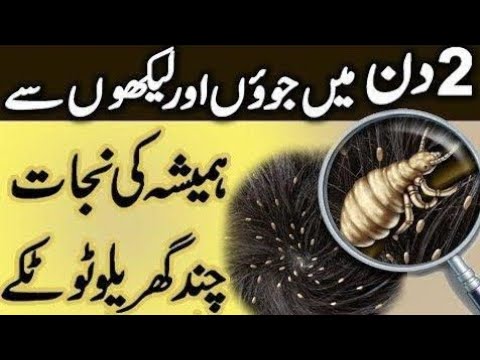
Head lice can feel like an unwelcome guest, irritating our scalp and causing unnecessary stress. These tiny pests thrive in hair, often spreading easily among children through close contact. If you or a loved one has encountered this pesky problem, know that you’re not alone. The good news? There are effective treatments and remedies to help you say goodbye to head lice for good.
Understanding how lice live and reproduce is the first step in tackling them. Think of head lice as little bugs that cling tightly to hair strands, laying eggs called nits close to the scalp. They can’t jump or fly, but they move quickly—especially when it’s time for a new host!
Fortunately, there are plenty of methods available to eliminate them. Over-the-counter treatments can kill adults and nits but be sure to follow instructions carefully. Natural remedies, such as essential oils or vinegar rinses, also have their supporters—although evidence varies on their effectiveness.
However, it’s crucial not to overlook your sources of information regarding treatment options. Consult with healthcare providers or trusted health organizations for guidance tailored to your situation. Remember that while some suggestions online may sound tempting, they might not be safe or effective.
Stay informed and proactive; understanding the basics is key in navigating your way through this challenge! Always approach head lice treatment with care and knowledge—your scalp will thank you!
The information provided in this article is intended solely for general informational and educational purposes. It does not constitute medical advice, diagnosis or professional treatment, and should not be considered a substitute for consultation with a qualified doctor or other licensed healthcare professional. Any health-related decisions should be made in consultation with accredited medical professionals.
While efforts have been made to ensure the information is accurate and up to date, no guarantees are given—either express or implied—regarding its accuracy, completeness, currency or suitability. Use of this information is at your own discretion.
It is strongly recommended to consult official sources such as the NHS (National Health Service) or other recognised medical institutions before acting on any information contained on this website or article. Under no circumstances should professional medical advice be ignored or delayed due to content read here.
This content is of a general and informational nature only. It is not intended to replace individualised guidance from a healthcare professional or to establish any doctor-patient relationship. The publication of this information does not imply any professional responsibility, guarantee or obligation on the part of the author or this site.
Discover Effective Solutions to Eliminate Head Lice for Good
Dealing with head lice can be frustrating, but understanding them helps in effectively eliminating these tiny pests.
Head lice are small insects that live on the scalp and feed on human blood. They aren’t dangerous but can cause itching and discomfort. Lice are spread mainly through head-to-head contact. This means they can easily move from one person to another, especially among children.
To tackle head lice, start with proper identification. Look closely at the scalp for live lice or their eggs (nits), which stick to hair strands. A fine-toothed comb can help in spotting them.
There are several treatment options available:
After treatment, it’s crucial to comb through the hair again to remove dead lice and nits. Regularly washing bed linens and clothing in hot water helps prevent re-infestation.
Connecting with others is essential too. Informing friends and family allows them to check for signs of lice early, reducing spreading.
Misinformation abounds, so it’s essential to differentiate myths from facts about head lice:
Remember that patience is key during treatment. Multiple rounds of combing and checking may be needed before you’re free of these little critters.
Lastly, if treatments aren’t working after several attempts, reaching out for additional guidance can be very helpful.
Understanding head lice means you’re better prepared to handle an infestation when it happens. Stay informed, stay calm, and know that solutions exist!
Quick and Simple Solutions for a Lice-Free Life
Dealing with head lice can be frustrating. These tiny pests can cause itching and discomfort, but there are quick and simple ways to address them. Let’s explore some effective strategies for a lice-free life.
First, it’s important to understand what head lice are. They are small insects that live on the scalp and feed on blood. Infestations often spread through close contact or sharing personal items like hats or brushes.
Check and Identify
Before starting treatment, check everyone in your family for lice and nits (lice eggs). You might use a fine-toothed comb on damp hair to make this easier. Look closely at the scalp behind the ears and at the nape of the neck.
Use Over-the-Counter Treatments
There are many over-the-counter products specifically made to treat lice. These usually contain chemicals that help kill adult lice and sometimes their eggs. Follow the instructions carefully to ensure effectiveness.
Seek Natural Remedies
Some people prefer natural remedies like tea tree oil or coconut oil. While evidence about their effectiveness varies, they may provide some relief when used properly.
Comb It Out
Using a nit comb after treatment is crucial. This helps remove dead lice and eggs from hair strands. Do this in sections for thoroughness.
Wash Clothes and Linens
To prevent re-infestation, wash bed linens, clothing, and towels in hot water. Also, consider drying them on high heat as louse cannot survive extreme temperatures.
Avoid Sharing Personal Items
Educate family members about not sharing items like hats, hair accessories, or pillows during outbreaks. Limiting contact is key in stopping the spread of lice.
Keep an Eye Out
After treatment, continue checking everyone’s scalp regularly for a couple of weeks. This ensures no new lice have appeared.
Remember that while dealing with head lice can feel overwhelming, using these strategies can help manage an infestation effectively. Always stay informed about your options and consult resources if you need more guidance!
Exploring the Surprising Truth About Heat and Hair Parasites
When it comes to hair parasites, particularly head lice, there are many misconceptions. One common belief is that heat can effectively eliminate these pests. Let’s explore this surprising truth together.
Head lice are tiny insects that live on the scalp and feed on blood. They can be frustrating and contagious. However, tackling them with heat is not as straightforward as it seems.
Many people think using hot tools like hair dryers can kill lice. While extreme heat may damage some of them, it’s not guaranteed to eliminate all lice or their eggs, called nits. Heat treatments lack consistency in temperature and duration.
Here’s why temperature matters: Lice could survive brief exposures to high heat but struggle with continuous exposure. Think of it like boiling water. If you dip a bug in hot water for just a second, it might escape unharmed.
Also, simply using heat can lead to false confidence in treatment success. It might kill some adult lice but leave behind nits that will hatch later on. It’s essential to treat the entire infestation comprehensively.
Instead of relying solely on heat, consider combined methods for better results:
Education about head lice helps in managing them effectively. Regular checks and early intervention make a big difference.
If your child or someone close is dealing with head lice, remember patience is key. Seek trusted resources or consult professionals for thorough advice tailored to your situation.
In summary, while heat has its place in the conversation about head lice treatment, it’s not a standalone solution. Educate yourself and use a comprehensive approach for the best chances of eliminating these parasites from your life!
Head lice can be an uncomfortable and frustrating issue for many families. These tiny insects are common, especially among school-aged children, and their presence can lead to unnecessary anxiety. A clear understanding of effective treatments helps alleviate this.
Firstly, it’s important to know that head lice do not carry diseases; they are more a nuisance than a health threat. However, their persistence can lead to itching and scratching, potentially resulting in secondary infections.
When it comes to treatments, there are various options available:
Beyond treatments, prevention is key. Regularly checking for lice during peak seasons can help catch infestations early. Educating children on not sharing personal items like hats or brushes also reduces the risk.
It’s crucial to approach head lice with a calm mindset. Open discussions with children about hygiene and prevention can foster understanding without stigma or fear. As we delve into treatments and remedies, let’s remember that informed choices empower us to tackle head lice effectively and compassionately.