Poison oak rash can feel like an unwelcome guest that overstays its welcome. This itchy, blistering skin irritation comes from contact with the plant’s oil, urushiol, which can leave you feeling uncomfortable and frustrated. If you’ve ever brushed against this troublesome plant during a hike or while gardening, you know how persistent and annoying the resulting rash can be.
But don’t worry—relief is possible! In this guide, we’ll explore effective remedies and provide visuals to help you identify poison oak. Together, we’ll navigate the discomfort and look at ways to heal your skin while avoiding future encounters with this pesky plant.
However, it’s essential to approach treatment with caution. Poison oak reactions vary greatly among individuals. What works wonders for one person may not have the same effect on another. Always consult various trusted sources or healthcare professionals before trying new treatments.
Your health deserves thoughtful consideration, so take a moment to learn from multiple specialists and reliable media outlets. Remember: informed decisions lead to better outcomes in managing your health effectively!
The information provided in this article is intended solely for general informational and educational purposes. It does not constitute medical advice, diagnosis or professional treatment, and should not be considered a substitute for consultation with a qualified doctor or other licensed healthcare professional. Any health-related decisions should be made in consultation with accredited medical professionals.
While efforts have been made to ensure the information is accurate and up to date, no guarantees are given—either express or implied—regarding its accuracy, completeness, currency or suitability. Use of this information is at your own discretion.
It is strongly recommended to consult official sources such as the NHS (National Health Service) or other recognised medical institutions before acting on any information contained on this website or article. Under no circumstances should professional medical advice be ignored or delayed due to content read here.
This content is of a general and informational nature only. It is not intended to replace individualised guidance from a healthcare professional or to establish any doctor-patient relationship. The publication of this information does not imply any professional responsibility, guarantee or obligation on the part of the author or this site.
A Visual Guide to the Healing Stages of Poison Oak Rash
Encountering poison oak can lead to an uncomfortable rash. Understanding the healing stages can help you manage this reaction better. Let’s break it down visually and conceptually.
When you first touch poison oak, your skin may not react immediately. It usually takes 12 to 72 hours for a rash to appear. This lag is because your skin is responding to an oil called urushiol, which is found in the plant.
Stage One: Initial Contact
At this stage, you might not notice any changes yet. However, if you’ve been exposed, being aware of potential symptoms is key.
Stage Two: Rash Development
After a day or two, red bumps often appear on the skin where contact occurred. These may start small but can grow larger as the reaction progresses. You might also experience itching at this point.
Stage Three: Blistering
As the rash worsens, blisters may form filled with fluid. This stage can be quite uncomfortable as the itching intensifies. Avoid scratching these blisters to reduce infection risk.
Stage Four: Weeping and Crusting
Blisters may break open and ooze fluid during this stage. The affected area could crust over as it begins to heal. It might look alarming but it’s a normal part of healing.
Stage Five: Healing
Finally, your skin will gradually heal over several weeks. The redness should fade and any crusts will come off naturally as new skin forms underneath.
To manage symptoms during these stages:
Remember that everyone reacts differently to poison oak. If you’re unsure about symptoms or how severe they are, it’s best to consult someone knowledgeable about health matters.
Understanding these stages allows for more informed decisions in facing poison oak rash effectively while minimizing discomfort.
Simple remedies and tips for soothing your poison oak discomfort
Dealing with a poison oak rash can be quite uncomfortable. Understanding ways to soothe the irritation can help. Here are some simple remedies and tips to consider.
First things first: Identify if it’s actually poison oak. The leaves are usually glossy and can look different in each season. If you’re unsure, try to find a picture comparison online or ask someone knowledgeable.
When you get the rash, cleanse the area quickly. Washing with soap and water within 30 minutes of exposure may help to remove the oils that cause discomfort.
Cools the burning sensation: Applying cold compresses can provide immediate relief. Use a clean cloth soaked in cool water and place it on the rash for about 15-30 minutes.
Another option is oatmeal baths. You can use colloidal oatmeal designed for bathing, or grind regular oats into powder. Soaking in this mixture may help calm inflamed skin.
Aloe vera gel is known for its soothing properties. It can hydrate the skin while offering relief from itching and irritation.
Over-the-counter creams containing hydrocortisone may assist in reducing inflammation as well. They work by calming your immune response at the site of irritation.
If itching becomes unbearable, consider an antihistamine like diphenhydramine (Benadryl). This may ease your discomfort but remember that drowsiness is a common side effect.
: This helps reduce damage from scratching, which can lead to infection.
: Hot water might worsen itching; opt for lukewarm instead.
: Heat makes rashes itchier, so wearing loose clothing and staying in cool areas can help.
Lastly, monitor your symptoms closely. While most rashes improve on their own within a couple of weeks, seek guidance if you notice swelling, fever, or increased redness that doesn’t subside.
Educating yourself about poison oak and how to handle its effects empowers you to make informed choices when discomfort arises!
Quick and Effective Solutions to Eliminate Poison Oak for Good
Poison oak can be a real nuisance. It’s a plant that can cause an itchy and uncomfortable rash if you come into contact with it. Understanding how to manage poison oak is key to feeling better.
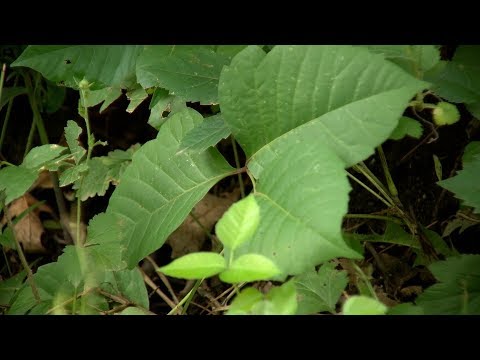
First, it’s important to recognize poison oak. It usually has three leaflets that look similar to a shiny green. The old saying “leaves of three, let it be” is a good reminder.
If you’ve touched the plant, wash the area with soap and water as soon as possible. This helps remove the oil, called urushiol, that causes the reaction. If you can do this within 30 minutes of contact, it can significantly reduce your chances of getting a rash.
For existing rashes, there are several methods to relieve symptoms. Topical treatments like hydrocortisone creams or calamine lotion may help soothe itching and reduce inflammation.
You might also consider oatmeal baths. Colloidal oatmeal can provide relief from itching when added to bath water. Just soak for about 15-20 minutes for best results.
In more severe cases with a lot of swelling or large areas affected, an oral antihistamine could help with discomfort and sleep issues. However, always read labels and follow directions carefully.
Keep in mind that scratching the rash can lead to infection, so try not to touch it too much! Keeping nails trimmed short may help reduce damage if you do scratch.
Another helpful approach is prevention in the first place. Always wear protective clothing if you know you’ll be in areas where poison oak grows. Long sleeves and pants can create a barrier between your skin and the plant.
It’s also wise to keep pets out of infested areas since their fur can carry urushiol too!
Finally, if your rash does not improve or gets worse after treatment attempts at home, consult someone who knows more about such conditions for guidance on next steps.
Understanding poison oak helps you make better decisions on how to deal with it effectively while reducing discomfort from rashes!
Reflecting on “Say Goodbye to Poison Oak Rash: Visuals and Remedies,” it’s clear this topic offers valuable insights for those affected by this common plant. Understanding how to identify poison oak is crucial, as the rash results from contact with an oil called urushiol.
Visual aids can greatly enhance awareness. Images showing the distinguishing features of poison oak help individuals recognize it in nature. This knowledge empowers people to avoid encounters that could lead to a rash.
Remedies discussed are equally important. They range from home treatments, like cool compresses and oatmeal baths, to over-the-counter solutions like hydrocortisone creams. Each remedy serves a purpose in alleviating discomfort and promoting healing.
A key takeaway is the importance of prompt action. Washing affected skin with soap and water soon after exposure can significantly reduce the severity of the reaction.
Overall, blending visuals with practical remedies makes for an effective approach in educating individuals about poison oak rash. It fosters not only awareness but also informed decisions on prevention and management, ultimately encouraging responsible interactions with our natural environment.