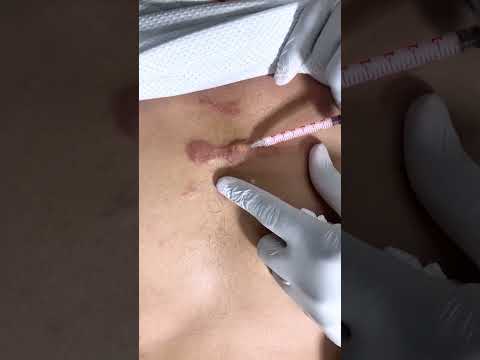
Keloids are those thick, raised scars that can form after an injury or surgery. While some people find them merely a cosmetic concern, others experience discomfort or emotional distress. If you’re considering keloid removal, understanding the best practices can significantly influence your journey.
Seven Key Do’s and Don’ts for Keloid Removal Success outlines essential guidelines to enhance your treatment experience. Think of it like preparing for a big race; having a strategy can determine how well you perform!
As you think about keloid removal, remember that there’s no one-size-fits-all solution. Each case is unique, and individual factors will affect outcomes. It’s vital to consult various specialists—like dermatologists and plastic surgeons—and explore different media to get balanced information.
Always approach keloid removal with caution. There are many myths out there about what works and what doesn’t. Stay informed and empowered by gathering advice from reliable sources to make decisions that are right for you!
The information provided in this article is intended solely for general informational and educational purposes. It does not constitute medical advice, diagnosis or professional treatment, and should not be considered a substitute for consultation with a qualified doctor or other licensed healthcare professional. Any health-related decisions should be made in consultation with accredited medical professionals.
While efforts have been made to ensure the information is accurate and up to date, no guarantees are given—either express or implied—regarding its accuracy, completeness, currency or suitability. Use of this information is at your own discretion.
It is strongly recommended to consult official sources such as the NHS (National Health Service) or other recognised medical institutions before acting on any information contained on this website or article. Under no circumstances should professional medical advice be ignored or delayed due to content read here.
This content is of a general and informational nature only. It is not intended to replace individualised guidance from a healthcare professional or to establish any doctor-patient relationship. The publication of this information does not imply any professional responsibility, guarantee or obligation on the part of the author or this site.
Essential Tips for a Smooth Recovery and Optimal Results
When it comes to keloid removal, recovery is a crucial part of the process. Following some basic tips can make your journey smoother and help achieve optimal results. Here are seven key do’s and don’ts to consider.
Do follow aftercare instructions. Your healthcare professional will provide specific guidelines. Adhering to these can greatly influence healing.
Do keep the area clean. Cleanliness helps prevent infection. Gently wash the site with mild soap and water as advised.
Do stay hydrated. Drinking enough water supports your body’s ability to heal. Think of hydration as helping your body create a conducive environment for recovery.
Don’t pick at the site. It’s tempting, but picking can lead to complications like infections or increased scarring. Consider it like wanting to scratch an itch; it might feel good temporarily but causes lasting damage.
Don’t expose the area to sunlight. Sun exposure can darken scars and hinder healing. Think of it as protecting a new plant from harsh weather until it’s stronger.
Do monitor for unusual signs. If you notice increased redness, swelling, or pain, reach out for advice promptly. Being aware allows you to catch potential issues early.
Don’t rush the healing process. Patience is key here. Recovery takes time, just like how a tree grows steadily but surely over seasons.
By keeping these tips in mind, you’re setting yourself up for better recovery and potentially improved outcomes after keloid removal. Ask questions if unsure about any part of your care plan—it’s important for you to be informed!
Discover Effective Techniques for Reducing Keloid Scars
Keloid scars can be tricky. These raised scars form when the body heals. Sometimes, they grow larger than the original wound. Understanding how to manage them can make a difference in your healing journey.
First, it’s key to know what not to do. Avoid picking or scratching at the keloid. This can trigger more growth. It might seem tempting, but patience is crucial.
Here are some effective techniques to consider:
It’s also important to follow some practical do’s:
Understanding your body’s unique response is important too. Keloids are influenced by genetics, skin type, and even location on the body.
Finally, remember that everyone heals differently. What works for one person may not work for another. Keep an open mind while exploring options.
By learning about these techniques and taking informed steps, you’re on track toward managing keloids better, leading to healthier skin outcomes over time!
Exploring the Real Results and Experiences of Keloid Removal Treatments
Keloids can be challenging to deal with. They are raised scars that form when the body overproduces collagen during healing. While they are not harmful health-wise, many find them bothersome for cosmetic reasons.
When it comes to keloid removal, several treatments exist, but the experiences and results can vary widely. Understanding what to expect is key to making informed decisions.
Before diving into treatments, it’s helpful to know some do’s and don’ts.
Getting an expert opinion is essential. They can assess your keloid and recommend appropriate treatments based on your unique situation.
Take your time weighing options. Each treatment has different potential outcomes, so patience is important.
Options include injections, laser therapy, cryotherapy, and surgical removal. Some people may benefit from a combination approach.
Following post-treatment care guidelines can significantly affect the success of your chosen method.
Results can vary based on factors like age, skin type, and the size of the keloid. It’s important to recognize that complete removal isn’t always possible.
Every treatment carries risks, such as skin discoloration or recurrence of keloids. Staying informed helps you prepare for these possibilities.
Discuss any concerns or changes in your condition openly. Your feedback can help tailor ongoing care effectively.
Many individuals report a range of results from their treatments—from significant reduction in size to only slight changes. These personal experiences highlight how each person’s body responds differently.
It’s also crucial to remain aware of emotional aspects when dealing with keloids and their treatments. The journey affects self-esteem for many individuals. Talking about these feelings can provide support during challenging times.
Ultimately, exploring keloid removal involves understanding both physical outcomes and emotional impacts. Staying informed about realistic expectations, combined with following best practices through do’s and don’ts, helps you navigate this path more confidently.
Keloids can be a challenging issue for many individuals. These raised scars occur when the skin overproduces collagen during healing. Successfully removing a keloid involves understanding several key principles, which can significantly influence outcomes.
Do seek professional advice before treatment. Engaging with a healthcare provider ensures you understand your options and risks. Keloid removal isn’t one-size-fits-all; each case is unique.
Do discuss multiple treatment options. Common methods include corticosteroid injections, laser therapy, and surgical excision. Knowing the pros and cons of each can help you make an informed decision.
Don’t rush into surgery without considering other treatments first. Surgical removal alone may lead to recurrence if not paired with preventive measures, such as pressure therapy or medications post-surgery.
Do follow post-treatment care instructions diligently. Proper care is essential to minimize the risk of keloid regrowth. This might include keeping the area moisturized or avoiding sun exposure.
Don’t ignore changes in your skin after treatment. Any unusual symptoms should be reported to your healthcare team promptly for evaluation.
In summary, achieving success in keloid removal requires careful planning and consideration of various approaches. By following these principles, individuals can better navigate their journey toward smoother skin and improved confidence.