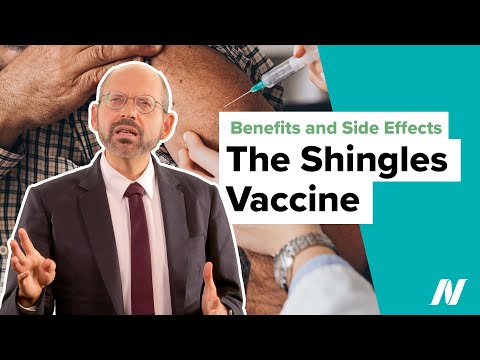
Have you ever heard of shingles? It’s a painful condition caused by the same virus that brings us chickenpox. Luckily, there’s a vaccine called Shingrix that can help prevent this uncomfortable illness. But before you roll up your sleeve, it’s essential to understand the benefits, risks, and potential interactions of this vaccine.
Shingrix works by boosting your immune system to fight off the varicella-zoster virus. Many people experience fewer or milder symptoms if they do contract shingles after being vaccinated. The benefits aren’t just physical; they can also lead to peace of mind knowing you’re taking steps to protect your health.
However, like any medical treatment, Shingrix isn’t without its risks. Side effects are common and may include soreness at the injection site, fatigue, or mild fever. Rarely, more serious side effects can occur. It’s crucial to be aware of these possibilities when considering the vaccine.
Additionally, interactions with other medications or health conditions might occur. Informing yourself about these aspects is vital for making an informed decision tailored to your personal health needs.
Warning: It’s important not to rely solely on one source for information about Shingrix (PF) Intramuscular. Speak with healthcare professionals and consult various reputable sources so you can make responsible health choices for yourself and your loved ones. Empower yourself through knowledge!
The information provided in this article is intended solely for general informational and educational purposes. It does not constitute medical advice, diagnosis or professional treatment, and should not be considered a substitute for consultation with a qualified doctor or other licensed healthcare professional. Any health-related decisions should be made in consultation with accredited medical professionals.
While efforts have been made to ensure the information is accurate and up to date, no guarantees are given—either express or implied—regarding its accuracy, completeness, currency or suitability. Use of this information is at your own discretion.
It is strongly recommended to consult official sources such as the NHS (National Health Service) or other recognised medical institutions before acting on any information contained on this website or article. Under no circumstances should professional medical advice be ignored or delayed due to content read here.
This content is of a general and informational nature only. It is not intended to replace individualised guidance from a healthcare professional or to establish any doctor-patient relationship. The publication of this information does not imply any professional responsibility, guarantee or obligation on the part of the author or this site.
Essential Tips for a Smooth Shingrix Experience
Getting the Shingrix vaccine is an important step in preventing shingles. It’s known for being effective, especially for older adults. But like any vaccine, some people may have concerns about what to expect.
Here are some essential tips to ensure a smooth Shingrix experience:
Let them know if you have any allergies or past vaccine reactions. They can help you understand what to expect.
Shingrix is given in two doses. The second dose should be administered 2 to 6 months after the first. Keep track of when you receive each dose.
Common reactions include soreness at the injection site, fatigue, and mild fever. These are usually short-lived and a sign that your body is building protection.
If you have a busy week ahead, it might be wise to schedule your vaccine when you can rest afterward if needed.
Drink plenty of water and eat well before getting vaccinated. It helps support your immune system.
Take it easy for a day or two following the shot, especially if you experience soreness or fatigue.
It’s also good to remember:
Shingrix doesn’t just prevent shingles; it helps reduce the risk of complications like post-herpetic neuralgia, which can cause long-term pain.
Always check with reliable sources or ask professionals if you’re unsure about anything regarding vaccines or health practices. Remember that everyone’s experience may vary, but being informed can help ease any worries.
Unpacking the Debate Surrounding Shingrix: What You Need to Know
Shingrix is a vaccine designed to protect against shingles, a painful skin condition caused by the reactivation of the varicella-zoster virus. This virus also causes chickenpox. Many people are curious about Shingrix, especially its benefits and potential risks.
Benefits of Shingrix:
Shingles can be quite uncomfortable. It often presents with a painful rash and can lead to complications like postherpetic neuralgia, which causes lingering pain even after the rash heals. Getting vaccinated can help avoid these negative outcomes.
However, like all vaccines, Shingrix comes with potential risks. Some common side effects include:
– Pain at the injection site
– Fatigue
– Headache
– Mild fever
These side effects usually resolve in a few days. Serious side effects are rare but can occur, so it’s essential to discuss your health history with a healthcare provider.
Many people wonder about interactions. Shingrix generally works well alongside other vaccines. However, if you’re immunocompromised or have certain medical conditions, it’s crucial to consult someone before getting vaccinated.
There’s some confusion about when to get vaccinated for shingles. The Centers for Disease Control and Prevention recommends Shingrix for adults aged 50 and older. Even if you’ve had shingles before or received the older vaccine (Zostavax), getting Shingrix is still advised.
A common myth is that you cannot get shingles if you’ve had chickenpox as a child. In reality, having had chickenpox means that your body carries the virus in a dormant state, which can reactivate later in life as shingles.
In summary, understanding what Shingrix offers helps empower individuals to make informed choices about their health. Like any health decision, weighing benefits against risks while discussing options with trusted healthcare sources is vital. Always remember—knowledge is key in making responsible health decisions.
Essential Tips for a Smooth Recovery After Your Shingles Vaccination
Recovering after your shingles vaccination, like Shingrix, can make a difference in how you feel. Here are some essential tips to help you have a smooth experience.
First, understand that some side effects are normal. You might experience soreness at the injection site, mild fever, or fatigue. These usually go away within a few days.
Give your body time to adjust. Light activities are fine, but try not to overdo it.
Drink plenty of water. Hydration supports your immune system and can help reduce fatigue.
It’s best to skip heavy workouts for a couple of days after vaccination. Allowing your body to focus on recovery is important.
If you notice swelling or pain at the injection site, applying a cool compress can help. Just make sure it’s not too cold!
Don’t forget about nutrition! Eating a balanced diet can aid in recovery. Focus on fruits, vegetables, whole grains, and lean proteins.
Some people wonder if they should take over-the-counter pain relievers for discomfort. It’s often okay to use acetaminophen or ibuprofen, but check with someone knowledgeable beforehand if you’re unsure.
Lastly, keep an eye on how you feel over the next few days. If anything seems unusual or you’re concerned about symptoms lasting too long, reach out for guidance.
Your body is working hard after the vaccine. Take care of yourself! Recovery may take time but following these tips can help ease the process along the way.
Shingrix is a vaccine designed to reduce the risk of shingles, a painful condition caused by the reactivation of the varicella-zoster virus, which also causes chickenpox. Administered intramuscularly, Shingrix offers numerous benefits, particularly for older adults and those with weakened immune systems.
Benefits: The primary advantage of Shingrix is its high efficacy rate—over 90% in preventing shingles and its complications. It is particularly valuable for individuals aged 50 and older, as their risk of developing shingles increases significantly with age. Additionally, it provides protection against postherpetic neuralgia, a severe pain syndrome that can occur after a shingles outbreak.
However, like any medical intervention, there are risks associated with Shingrix.
Most side effects are mild and resolve within a few days. Serious allergic reactions are rare but possible.
Interactions should also be considered. Individuals who are immunocompromised due to conditions or treatments may have altered responses to the vaccine. Consulting with healthcare professionals before vaccination is essential for those on immunosuppressive therapies or with specific health concerns.
In summary, Shingrix presents an effective tool in preventing shingles while carrying minimal risks for most individuals. Informed decision-making about vaccination should include understanding personal health history and potential interactions with current medications. Engaging in discussion with healthcare providers can help ensure that individuals make suitable choices about their health care options.