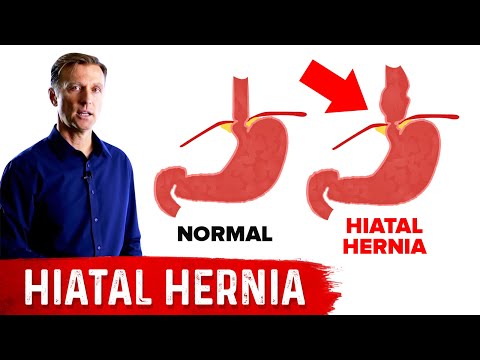
A hiatal hernia occurs when a part of the stomach pushes through the diaphragm into the chest cavity. This condition can lead to discomfort, like heartburn and difficulty swallowing. While it may sound alarming, many find effective relief strategies at home.
Imagine your diaphragm as a cozy barrier that usually keeps everything in place. A hiatal hernia is like a little bulge that disrupts this harmony. Luckily, there are simple ways to ease the pressure and help you feel more comfortable.
In this article, we’ll explore practical tips that can often provide relief, such as dietary changes, mindful eating habits, and gentle exercises. Each approach is easy to incorporate into daily life and can make a notable difference.
However, it’s essential to tread carefully when managing health issues at home. Always consult with healthcare professionals before trying new remedies. A hiatal hernia can vary in severity, and what works for one person may not suit another. Seeking advice from multiple specialists ensures you have a well-rounded understanding of your needs.
Let’s dive into these simple solutions together! Your journey toward comfort begins here.
The information provided in this article is intended solely for general informational and educational purposes. It does not constitute medical advice, diagnosis or professional treatment, and should not be considered a substitute for consultation with a qualified doctor or other licensed healthcare professional. Any health-related decisions should be made in consultation with accredited medical professionals.
While efforts have been made to ensure the information is accurate and up to date, no guarantees are given—either express or implied—regarding its accuracy, completeness, currency or suitability. Use of this information is at your own discretion.
It is strongly recommended to consult official sources such as the NHS (National Health Service) or other recognised medical institutions before acting on any information contained on this website or article. Under no circumstances should professional medical advice be ignored or delayed due to content read here.
This content is of a general and informational nature only. It is not intended to replace individualised guidance from a healthcare professional or to establish any doctor-patient relationship. The publication of this information does not imply any professional responsibility, guarantee or obligation on the part of the author or this site.
Quick and Effective Tips to Soothe Your Discomfort Instantly
Dealing with a hiatal hernia can be uncomfortable. It happens when part of your stomach pushes up through the diaphragm. While professional advice is important, there are some quick home tips that might help ease your discomfort.
First, consider eating smaller meals. Large meals can put extra pressure on your stomach. Try eating less but more frequently throughout the day.
Another helpful tip is to stay upright after eating. Lying down right after a meal can worsen symptoms. A good rule of thumb is to wait at least two to three hours before lying down.
You might also find relief by elevating your head while sleeping. Using extra pillows can keep stomach acid in check during the night.
Avoiding certain foods can also make a difference. Some people find that
and
trigger symptoms. Pay attention to what bothers you.
Staying hydrated is key too. However, try not to drink large amounts of water in one go. Take small sips throughout the day instead.
A gentle walk after meals could help as well. Movement encourages digestion and may reduce discomfort.
You may also want to explore some relaxing strategies like deep breathing or meditation. Stress often contributes to digestive issues, so finding calm could benefit you overall.
Finally, always listen to your body. If something doesn’t feel right, it’s best to reach out for professional advice when needed.
These tips aren’t a substitute for medical guidance but can be a useful addition to managing mild discomfort at home!
Discover the Refreshing Options That Can Help Alleviate Your Symptoms
Experiencing symptoms of a hiatal hernia can often be uncomfortable. It’s important to know there are some options at home that may help ease your discomfort.
A hiatal hernia occurs when part of the stomach pushes through the diaphragm into the chest cavity. This can lead to heartburn, chest pain, and difficulty swallowing. Understanding what you can do at home can make a difference.
Dietary Changes
One of the simplest ways to manage symptoms is through your diet. Certain foods can aggravate your condition, while others may help.
Pillows and Positioning
Your sleeping position also matters. Elevating your head while you sleep may help keep stomach acids where they belong.
Lifestyle Adjustments
Your daily habits play a significant role in how you feel.
Stay Hydrated
Drinking water is crucial for overall health but also for digestion.
Simpler Remedies
Some people find relief with simple home remedies.
It’s important to listen to your body and note what works best for you. While these options may help with managing symptoms, it’s always wise to consult with someone knowledgeable if things don’t improve or get worse.
Remember that everyone’s body reacts differently, so what works for one person may not work for another. Be patient with yourself as you explore what helps alleviate discomfort from a hiatal hernia!
Effective Strategies to Ease the Discomfort of a Hiatus Hernia
A hiatus hernia occurs when part of your stomach pushes through the diaphragm into your chest. This can cause discomfort and various symptoms like heartburn or difficulty swallowing. While it’s important to consult someone for serious concerns, there are some simple strategies to help ease the discomfort at home.
1. Modify Your Diet
Certain foods can trigger symptoms. Try to avoid spicy dishes, citrus fruits, and greasy meals. Instead, focus on eating smaller, more frequent meals throughout the day. This gives your stomach less work to do at one time.
2. Stay Upright After Eating
Gravity can be your friend here! After meals, try not to lie down right away. Remaining upright for a couple of hours may help prevent acid from backing up into your esophagus.
3. Elevate Your Bed
Consider raising the head of your bed by about 6 inches. This angle can help keep stomach acid where it belongs while you sleep, reducing nighttime discomfort.
4. Avoid Tight Clothing
Wearing tight clothing around the abdomen may put extra pressure on your stomach and worsen symptoms. Opt for looser-fitting clothes that allow comfort and freedom of movement.
5. Weight Management
If you’re carrying extra pounds, losing weight might relieve some pressure on the abdomen and improve symptoms over time.
6. Stay Hydrated
Drinking water is essential for health and digestion but try not to gulp down large amounts during meals. Sipping instead can make a difference in how you feel afterward.
7. Consider Stress Relief
Sometimes stress can worsen digestive issues, including those related to a hiatus hernia. Practices such as deep breathing exercises or yoga may help calm both body and mind.
While these strategies can provide relief from discomfort associated with a hiatus hernia, it’s always wise to have open conversations with someone familiar with your specific health needs for personalized advice and care options tailored for you.
A hiatal hernia occurs when part of the stomach pushes through the diaphragm into the chest cavity. This can lead to symptoms like heartburn, regurgitation, and discomfort. While medical treatment is sometimes necessary, there are several simple strategies individuals can employ at home to provide relief.
Diet modification is often one of the first steps. Eating smaller meals can prevent excessive pressure on the stomach. This approach is similar to how a small cup fills less quickly than a large one; smaller portions create less strain.
Posture adjustments also play a crucial role. Sitting up straight while eating and avoiding lying down right after meals can help contents stay in place, reducing symptoms. Think of it as keeping a balloon upright – if it’s upright, it stays inflated longer.
Avoidance of triggers, such as spicy foods, caffeine, and alcohol, can significantly decrease discomfort. Just like some people avoid certain weather conditions by staying indoors; avoiding these foods helps many steer clear of flare-ups.
Weight management is another important factor. Extra weight puts additional pressure on the abdomen and may worsen hernia symptoms. Losing even a small amount can often make a big difference.
Lastly, elevating the head during sleep can prevent acid reflux at night. Using an extra pillow or raising the bed slightly mimics how we might keep water from spilling over in a tilted container.
In conclusion, while home remedies for hiatal hernias may not cure the condition entirely, they can significantly enhance comfort and quality of life. Always consider discussing any persistent symptoms with a healthcare provider to ensure an appropriate approach tailored to individual needs.