A sprained ankle can feel like a roadblock, stopping you in your tracks and disrupting your daily activities. But don’t worry! With the right strategies and care, you can speed up your recovery and get back on your feet sooner than you think. Picture this: your ankle is like a bridge that supports you as you walk, run, or play sports. When that bridge gets damaged—like when you twist or roll your ankle—it needs time and attention to heal properly.
In this guide about healing a sprained ankle fast, we will explore practical tips to help reduce swelling, manage pain, and strengthen the joint for a smoother recovery journey. From simple home remedies to exercises that promote healing, you’ll learn how to take charge of your recovery.
However, it’s important to remember that each injury is unique. What works for one person may not be suitable for another. Always consult with various specialists—like physical therapists or sports medicine experts—and seek out diverse media sources for reliable information. Relying solely on one perspective can lead to misunderstandings or improper treatment plans that could prolong your healing process.
So get ready to dive in! Your journey towards recovery starts now.
The information provided in this article is intended solely for general informational and educational purposes. It does not constitute medical advice, diagnosis or professional treatment, and should not be considered a substitute for consultation with a qualified doctor or other licensed healthcare professional. Any health-related decisions should be made in consultation with accredited medical professionals.
While efforts have been made to ensure the information is accurate and up to date, no guarantees are given—either express or implied—regarding its accuracy, completeness, currency or suitability. Use of this information is at your own discretion.
It is strongly recommended to consult official sources such as the NHS (National Health Service) or other recognised medical institutions before acting on any information contained on this website or article. Under no circumstances should professional medical advice be ignored or delayed due to content read here.
This content is of a general and informational nature only. It is not intended to replace individualised guidance from a healthcare professional or to establish any doctor-patient relationship. The publication of this information does not imply any professional responsibility, guarantee or obligation on the part of the author or this site.
Quick Tips for a Speedy Recovery and Relief
Recovering from a sprained ankle can be challenging. However, there are some practical tips that may help speed up your healing process. Remember, everyone’s recovery is different, so listen to your body.
First off, rest is key. Giving your body time to heal can prevent further injury. Imagine your body like a smartphone battery; if you keep using it while it’s charging, it won’t fill up properly.
Next, ice can really help reduce swelling and numb pain. Apply ice wrapped in a cloth for 15-20 minutes every few hours during the first couple of days.
Compression is another important step. Using an elastic bandage around the ankle can provide support and decrease swelling. Just be careful not to wrap it too tightly—this could restrict blood flow.
Elevating the injured ankle helps too. Try to keep it raised above the level of your heart when possible. This encourages fluid drainage and can ease swelling.
Mobility exercises should start as soon as you feel comfortable. Gentle movements will help maintain flexibility and prevent stiffness.
Stay hydrated! Drinking enough water supports overall recovery by keeping tissues healthy.
It’s also wise to choose foods rich in vitamins and minerals. Foods high in vitamin C, like oranges, help collagen formation which is crucial for healing tissues.
Listening to your body means knowing when to push forward or when to take it easy again. Pain is a signal; don’t ignore it!
Finally, don’t hesitate to reach out for professional guidance if needed. They can offer personalized advice tailored just for you.
Remember these tips as friendly reminders on your journey back to full activity after a sprained ankle!
A Quick Guide to Speeding Up Your Recovery With Simple Strategies
Recovering from a sprained ankle can be frustrating. However, there are simple strategies that may help speed up your recovery. It’s all about giving your body the right support.
The first step is understanding what happened to your ankle. A sprain occurs when the ligaments are stretched or torn. Think of ligaments as rubber bands connecting bones together.
Rest is crucial. Avoid putting weight on the injured ankle. This gives those ligaments time to heal without additional stress.
Another helpful acronym is R.I.C.E.:
Icing helps reduce pain and swelling, like putting a cold pack on a bruise. Just be careful not to put ice directly on the skin; use a cloth as a barrier.
Compression can provide support and limit inflammation. Make sure it’s snug but not too tight—your toes should not go numb!
When we talk about elevation, think of it like propping up a broken vase so it won’t fall over again.
Staying hydrated is also important. Water helps transport nutrients needed for healing throughout your body. Aim for at least eight cups of water each day!
A balanced diet rich in vitamins and minerals supports recovery too. Foods like fruits, vegetables, lean proteins, and whole grains provide necessary nutrients.
Once you start feeling better, gentle stretching can encourage flexibility without overdoing it. Think of stretching like tuning an instrument—you want it just right to function well again.
Don’t rush back into high-impact activities too soon. Gradual progress is key! Listen to your body; if something hurts, ease off.
Finally, always keep in mind that everyone heals at their own pace. Recovery takes time, so be patient with yourself while you mend!
If things don’t improve or if you’re unsure about anything along the way, seeking guidance from a health professional can help address any concerns you might have regarding your recovery process.
Discover the surprising benefits and potential risks of using Vicks on your sprained ankle.
Using Vicks VapoRub on a sprained ankle can raise some eyebrows. It’s a popular topical ointment known for its invigorating scent and cooling sensation. But how effective is it for treating a sprain? Let’s explore.
First, what is a sprained ankle? It happens when the ligaments around the ankle stretch or tear. This can cause pain, swelling, and difficulty walking. The usual recommendations involve rest, ice, compression, and elevation (often referred to as R.I.C.E.).
Many people believe that applying Vicks can speed up healing due to its menthol and eucalyptus oil content. Menthol creates a cooling effect that might temporarily relieve pain. This feeling can distract you from discomfort.
However, there are potential risks too. Applying Vicks directly to broken skin or open wounds could lead to irritation or an allergic reaction. Always be cautious about where you apply it.
In terms of benefits:
That said, while it may provide short-term comfort, it’s not a substitute for rest or medical treatment if needed.
It’s also vital to understand myths about topical treatments. Some think they magically heal injuries faster, but this isn’t true. Healing takes time and proper care.
Always pay attention to how your body reacts when using any product on an injury. If symptoms worsen or persist, consulting with a health professional is essential.
In conclusion, while using Vicks on your sprained ankle might seem tempting for quick relief, it’s important to approach this topic carefully. Its effects are limited and should be part of a broader recovery strategy focused on overall care and healing practices.
Recovering from a sprained ankle can sometimes feel like a race against time, but it’s essential to approach healing with care and understanding. A sprain occurs when the ligaments—those tough bands of tissue that connect bones at a joint—are stretched or torn. It’s important to remember that while we want to heal quickly, rushing the process can lead to complications.
When it comes to recovery, there are several key principles that should guide your approach:
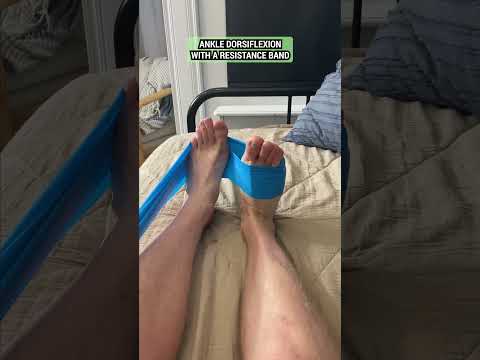
While these steps are foundational, incorporating gentle range-of-motion exercises as you start feeling better can also aid recovery without overstraining the joint.
It’s equally important to seek professional advice if you suspect more serious injury or if pain persists beyond a few days. Remember, every body heals at its own pace; patience is key in ensuring long-term mobility and strength.
Ultimately, healing is not just about returning to activity but also about preventing future injuries. Strengthening the surrounding muscles through rehabilitation exercises will create greater stability and resilience in the ankle.
Keep in mind that effective recovery isn’t about speeding through it; it’s about making informed choices that prioritize long-term health and well-being.